Top Guinea Pig Bedding Materials
The safest, comfiest bedding choices — and the dangerous ones you must avoid.
The best guinea pig bedding is dust-free, absorbent, soft, and safe. The two most popular top choices are fleece liners (reusable, soft, washable, and eco-friendly) and paper bedding (highly absorbent with excellent odor control, and beginner-friendly). Other safe options include aspen shavings, kiln-dried pine, and hemp bedding. Just as important is knowing what to avoid: never use cedar or regular (non-kiln-dried) pine shavings, sawdust, straw, corn cob, cat litter, or fluffy fabric bedding — these can cause serious respiratory illness, injury, or dangerous blockages. Because guinea pigs have sensitive lungs and feet, choosing the right bedding is a genuine health decision, not just a comfort one. This complete bedding buying guide walks through the top materials, what to avoid, and exactly how to choose the right one for your pigs.
What Makes Good Guinea Pig Bedding?
Before the list, it helps to know what you’re actually looking for. Good bedding needs to tick four boxes:
- Absorbent — soaks up urine and keeps the cage dry.
- Good odor control — helps manage smell between cleans.
- Soft and comfortable — gentle on guinea pigs’ sensitive feet.
- Dust-free and safe — no harmful oils, chemicals, or ingestion hazards.
Why does this matter so much? Two reasons. First, guinea pigs have very sensitive respiratory systems, so dusty or chemically-treated bedding can cause serious respiratory infections. Second, they have delicate feet, so hard, wet, or dirty bedding can lead to a painful foot condition called bumblefoot. The right bedding protects against both — which is why “safe and dust-free” matters more than looks or scent.
The Top Guinea Pig Bedding Materials
Here are the safe, recommended options, with the pros and cons of each.
1. Fleece Liners
Reusable fabric liners made specifically for guinea pigs, and a huge favorite among owners. They’re soft, dust-free, washable, and eco-friendly, typically built in layers — a fleece top that wicks moisture down into an absorbent middle layer, often over a waterproof base. Fleece is cozy, reusable for years (saving money long-term), and the only suitable bedding for hairless/skinny pigs.
Downsides: fleece is less absorbent than paper and requires more work — daily spot-cleaning (droppings sit on top) and washing every 2–3 days. Best for indoor setups and owners who don’t mind the laundry.
2. Paper Bedding
Soft, fluffy bedding made from processed paper — one of the best all-round choices. It’s the most absorbent and softest option, with excellent odor control, and quality brands are 99% dust-free and non-toxic. It’s beginner-friendly and works for both indoor and outdoor setups.
Key tip: only use paper bedding made for small animals — never newspaper or toilet paper, which aren’t absorbent enough and may contain harmful inks. Paper is disposable, so it’s an ongoing cost, but its absorbency and ease make it a top pick.
3. Aspen Shavings
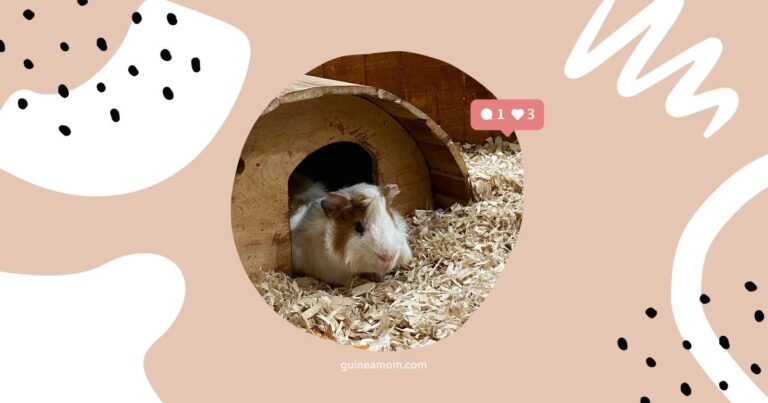
If you prefer wood shavings, aspen is the only wood type considered fully safe. Unlike cedar and pine, aspen is non-aromatic — it doesn’t contain the harmful oils (phenols) that damage guinea pigs’ lungs and liver. It’s absorbent, natural-looking, and compostable.
Downsides: it’s less absorbent and less odor-controlling than paper, and some brands can be dusty — so always choose kiln-dried, dust-extracted aspen.
4. Kiln-Dried Pine
Regular pine is unsafe, but kiln-dried pine has been heat-treated to remove most of the harmful aromatic oils, making it an acceptable, affordable option. It’s absorbent, widely available, and helps mask odor.
Key tip: it must be labeled kiln-dried and dust-extracted — ordinary pine shavings are not safe. (Some owners still prefer to avoid pine altogether in favor of aspen or paper; kiln-dried pine is generally considered okay.)
5. Hemp Bedding
A more eco-friendly option that’s absorbent, good at odor control, and sustainable (hemp grows fast). A nice bonus: it doesn’t stick to fleece, so it works brilliantly in a “kitchen” or toilet area alongside fleece liners elsewhere.
Downside: hemp is less soft than other beddings, so many owners use it in toilet zones and pair it with fleece or paper in sleeping areas.
6. Hay (Double-Duty)
Hay can serve as both food and bedding — soft meadow hay creates a cozy nest area guinea pigs love to burrow and munch in. It’s natural and enriching.
Downside: hay alone isn’t absorbent, so it needs an absorbent underlay (like paper or hemp, over newspaper) and frequent changing. It’s best used alongside a proper absorbent bedding, not instead of one.
Fleece vs. Paper: The Two Most Popular
Since fleece and paper are the top two choices, here’s the quick comparison:
- Choose fleece if you want a reusable, eco-friendly, economical-over-time option and don’t mind daily spot-cleaning and regular washing. (Tip: buy two sets so one’s always ready while the other is in the wash.)
- Choose paper if you want maximum absorbency, great odor control, and low-effort convenience, and don’t mind that it’s disposable and an ongoing cost.
Many owners even combine them — fleece in the sleeping areas, paper or hemp in the messy “kitchen” zone — for the best of both. (For a full head-to-head, see our dedicated guide: Fleece vs. Paper Bedding for Guinea Pigs.)
Bedding to AVOID (Important Safety List)
This is the most important part. Never use these, even though some are sold for small pets:
- Cedar shavings — contain aromatic oils (phenols) that harm the respiratory system and liver. Never use.
- Regular (non-kiln-dried) pine shavings — same phenol problem; only kiln-dried pine is safe.
- Sawdust — far too dusty; a serious respiratory hazard.
- Straw — not absorbent, harbors mold, and its sharp stalks can injure eyes.
- Corn cob bedding — poor odor control, prone to mold, and can cause a dangerous blockage if eaten.
- Cat litter — can cause digestive blockages if ingested, and often contains unsafe woods or chemicals.
- Newspaper alone — not absorbent enough and may contain harmful inks (okay only as an under-liner).
- Fluffy “teddy bear”/fabric fluff bedding — synthetic fibers can wrap around limbs or cause blockages if swallowed.
- Puppy pads alone — guinea pigs chew and swallow the fibers, risking blockages (only use under other bedding).
- Scented or dyed bedding — irritates guinea pigs’ sensitive noses and airways.
When in doubt, stick to fleece, paper, aspen, kiln-dried pine, or hemp.
How to Choose Bedding for Your Guinea Pig
There’s no single “best” bedding — the right choice depends on your lifestyle:
- Want reusable, eco-friendly, and economical long-term? Fleece — if you’ll keep up with the spot-cleaning and laundry.
- Want maximum absorbency and low effort? Paper bedding.
- Prefer a natural wood look? Aspen (safest) or kiln-dried pine.
- Want eco-friendly odor control for toilet areas? Hemp, often combined with fleece.
- Have a hairless/skinny pig? Use fleece (soft bedding is essential for them).
Whatever you choose, prioritize dust-free and safe above all, and feel free to experiment or combine materials to find what works for you and your pigs.
Tips for Using Bedding
- Use enough — a good, thick layer to cover the floor and cushion the feet (fluffier beddings need a thicker layer).
- Combine zones — fleece for sleeping, hemp or paper for the messy “kitchen” area.
- Keep two fleece sets so the cage stays covered while one is washing.
- Spot-clean daily and do a full clean regularly (fleece washed every 2–3 days; disposable fully changed weekly).
- Choose dust-extracted versions of any shavings.
- Store bedding dry to keep it fresh and mold-free.
Key Takeaways
- Good bedding is dust-free, absorbent, soft, and safe — protecting guinea pigs’ sensitive lungs (respiratory infections) and feet (bumblefoot).
- The top two choices are fleece liners (reusable, soft, eco-friendly, more effort) and paper bedding (very absorbent, great odor control, easy, disposable).
- Other safe options are aspen shavings, kiln-dried pine, and hemp; hay works only as double-duty bedding with an absorbent underlay.
- Never use cedar or non-kiln-dried pine shavings, sawdust, straw, corn cob, cat litter, newspaper alone, fluffy fabric bedding, puppy pads alone, or scented/dyed bedding.
- Fleece vs. paper comes down to reusable-but-laborious vs. absorbent-and-easy — and you can combine them.
- Choose based on your lifestyle, always prioritizing dust-free and safe, and use fleece for hairless pigs.
- Use a thick layer, spot-clean daily, and clean fully on a regular schedule.
This article is intended as general educational information for guinea pig owners and is not a substitute for professional veterinary advice. If your guinea pig shows signs of respiratory illness or foot problems, consult a qualified veterinarian experienced with guinea pigs.