
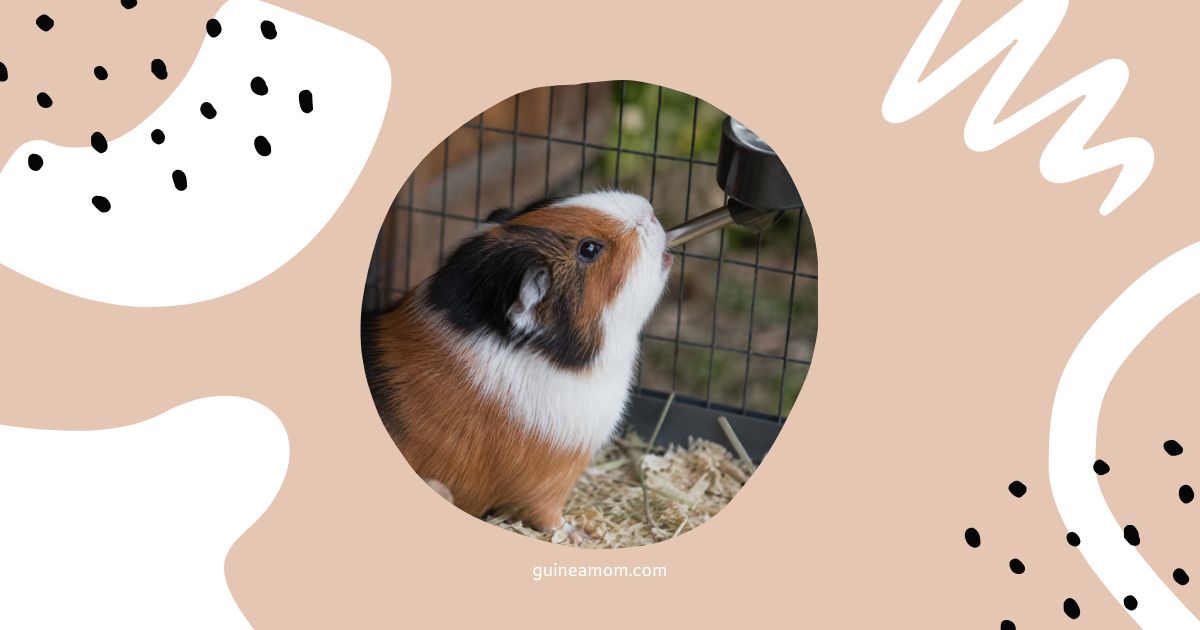
Best Water Bottles For Guinea Pigs
What to look for in a guinea pig water bottle — plus the bottle-vs-bowl question answered.
The best guinea pig water bottles are leak-proof, easy to clean, chew-resistant, and the right size for your pigs. Look especially for a no-drip nozzle (the single most-praised feature, since drips soak bedding and empty the bottle), a glass or sturdy BPA-free plastic body, a stainless steel spout with a ball bearing, and a secure cage attachment. Size-wise, aim for enough capacity for at least a full day — roughly 16–24 oz for a pair. Highly-rated options owners consistently recommend include the Choco Nose No-Drip bottle and glass bottles like the Living World Eco+. Most owners prefer bottles over bowls for hygiene, though a heavy ceramic bowl is a good backup. Here’s what to look for and how to choose.
Bottle or Bowl? The Big Question
First, the question every new owner asks: should guinea pigs drink from a bottle or a bowl?
Bottles are what most owners recommend, mainly for hygiene — the water stays clean and protected from bedding, food, hair, and droppings, and can’t be tipped over. The downsides: cheaper bottles can drip (soaking bedding), and the nozzle needs regular cleaning to prevent blockages.
Bowls are easier and more natural to drink from, and some pigs prefer them. But guinea pigs are messy — they kick bedding and droppings into a bowl constantly, and can tip it — so a bowl needs cleaning and refreshing at least twice a day, and should be heavy ceramic (tip-resistant).
The best approach for many owners: use a quality no-drip bottle as the main source, and consider offering a heavy ceramic bowl as a backup, since some pigs drink more when given the choice. Offering both also guarantees a working option if the bottle ever airlocks.
What to Look For in a Guinea Pig Water Bottle
Here are the features that genuinely matter:
A no-drip nozzle. This is the most important feature. Many bottles claim “no-drip,” but a genuinely leak-proof design keeps the bedding dry and ensures the water goes into your pig, not the cage floor. Patented no-drip nozzles (like Choco Nose’s) are the ones owners rate most highly.
Chew-resistant material. Guinea pigs gnaw everything, and can destroy a flimsy bottle in weeks. Glass bottles are the most chew-proof and durable, don’t absorb odors or stain, and can be sterilized — while quality BPA-free plastic is lighter and won’t shatter if dropped. Whichever you choose, look for a stainless steel spout (chew-resistant, unlike plastic nozzles).
Easy to clean. Water bottles grow algae and biofilm, so you want one that’s simple to clean — a wide mouth helps, and glass can be boiled or is often dishwasher-safe. (A tip: fill with a little water and uncooked rice, shake to scrub the inside, then rinse well — and skip soap, which can leave harmful residue.)
The right size. The bottle should hold at least a full day’s water. A rough guide: 16–24 oz for a pair of guinea pigs (they drink roughly 80–100 ml each per day, more in heat). Bigger capacity means fewer refills, but don’t go so large it’s hard to mount securely.
A secure attachment. It must fasten firmly to your cage type (wire grids, C&C, etc.) so it can’t be knocked loose, leaving your pigs without water while you’re out.
A clear water-level indicator. So you can see at a glance when it needs topping up.
Bottles Owners Recommend
Based on owner reviews and experience, these come up again and again (features to look for, rather than an endorsement of any specific product — availability changes over time):
- Choco Nose No-Drip — repeatedly praised as a best-overall pick for its patented leak-proof nozzle and durability; owners report using them for years.
- Glass bottles (e.g. Living World Eco+) — favored for being chew-proof, non-staining, odor-free, and long-lasting, with a metal spout.
- Lixit bottles — a long-standing, budget-friendly standard (glass “chew-proof” versions exist for determined chewers).
Whatever you pick, the no-drip nozzle, chew-resistant build, and secure fit matter more than the brand name.
Tips for Using a Water Bottle Well
- Test the flow regularly. Ball-bearing nozzles can airlock or stick — press the ball to check water actually comes out (a common hidden cause of a pig “not drinking”).
- Clean it often — at least weekly, nozzle included, to prevent algae and blockages.
- Refill with fresh water daily, even if there’s some left.
- Mount it at a comfortable height your pigs can reach easily.
- Have two bottles if you have several pigs (or as a spare), so there’s always a working one.
- In winter, insulate the bottle (a sock or cover) and check it isn’t freezing; in summer, keep water cool and check it more often.
- A rock or tile under the spout catches any occasional drips and keeps bedding dry.
Key Takeaways
- The best guinea pig water bottles are leak-proof, chew-resistant, easy to clean, secure-fitting, and the right size.
- A no-drip nozzle is the most important feature — drips soak bedding and empty the bottle; patented no-drip designs (like Choco Nose) rate highest.
- Glass bottles are the most chew-proof, durable, and hygienic; quality BPA-free plastic is lighter — both should have a stainless steel spout.
- Size: hold at least a full day’s water — roughly 16–24 oz for a pair.
- Bottles beat bowls for hygiene (most owners’ choice), but a heavy ceramic bowl makes a good backup, cleaned twice daily.
- Owner favorites include the Choco Nose No-Drip and glass bottles like the Living World Eco+.
- Use it well — test the flow often (airlocks are common), clean weekly, refill daily, mount securely, and protect from freezing in winter.
This article is intended as general educational information for guinea pig owners. Product availability and models change over time, so check current options and reviews. If your guinea pig stops drinking or shows signs of dehydration, consult a qualified veterinarian experienced with guinea pigs.