Guinea Pig Water Intake Issues
Why your guinea pig might be drinking less — or more — than usual, and when it’s a problem.
Changes in how much a guinea pig drinks can be normal — or a warning sign. A pig drinking less is often simply getting moisture from water-rich vegetables, or is put off by a faulty water bottle — but reduced drinking can also signal illness, dental pain, or stress. A pig drinking noticeably more than usual can be normal in hot weather or on a dry diet, but a sustained increase can point to health problems like diabetes, kidney or bladder issues. The key is knowing your pig’s normal (a healthy guinea pig drinks roughly 80–100 ml a day) and watching for sudden or sustained changes, especially alongside other symptoms. Here’s how to make sense of water intake issues and know when to see a vet.
What’s Normal for Guinea Pig Water Intake?
A healthy guinea pig drinks roughly 80–100 ml of water per day — but this varies a lot, and normal ranges given by different sources span anywhere from 50 to 300 ml, depending on the individual pig, their diet, and the weather. That’s why there’s no single “correct” amount.
The biggest factor is diet: a guinea pig eating lots of fresh, water-rich vegetables gets much of their moisture from food and will drink less from the bottle — which is perfectly healthy. A pig on a drier diet (mostly hay and pellets) will drink more. So rather than counting millilitres, it’s far more useful to learn your own pig’s normal pattern and watch for changes from it.
A good hydration indicator is urine: pale and regular is healthy; dark, concentrated, or very scant urine can suggest they’re not getting enough fluid.
Drinking Too Little: Causes
If your guinea pig seems to be drinking less than usual, run through these possibilities:
Usually harmless:
- Getting moisture from vegetables — the most common, and completely normal, reason.
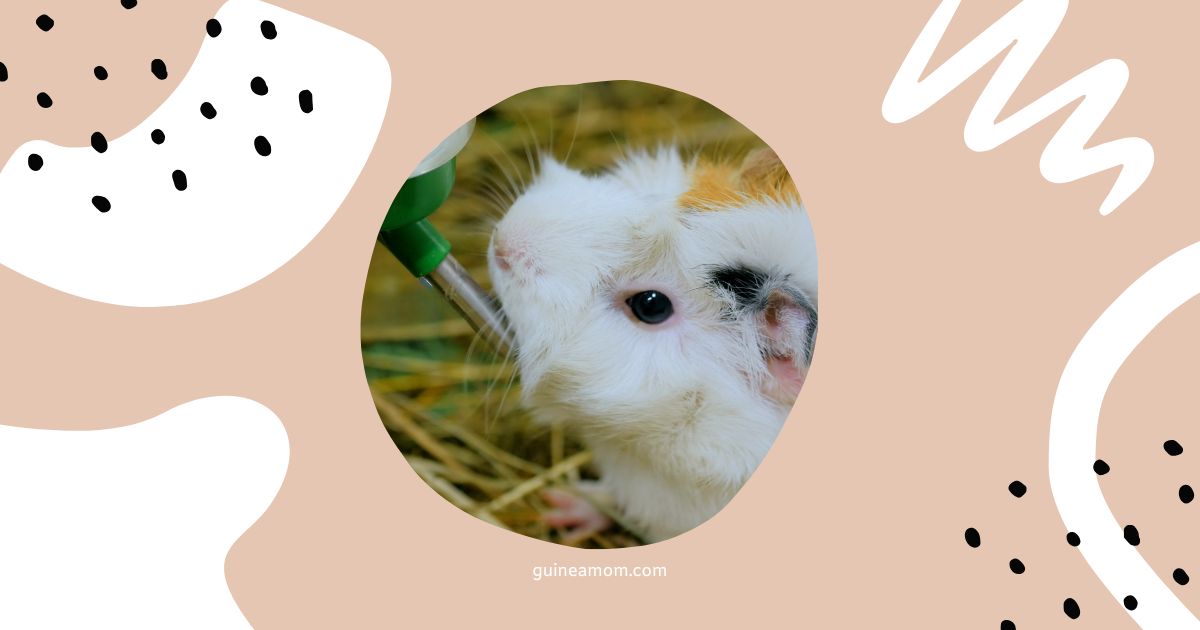
- A faulty water bottle — a stuck or airlocked ball-bearing nozzle is a very common hidden cause; the pig wants to drink but no water comes out. Always test the bottle yourself.
- Bottle vs. bowl preference — some pigs simply prefer one.
- A new pig who hasn’t yet found or learned to use the water source.
Potentially concerning:
- Illness or pain — many illnesses suppress the urge to drink.
- Dental problems — mouth pain can stop a pig drinking (and eating).
- Stress — a new environment, cage change, or disruption can reduce drinking.
- Dirty or unappealing water.
Reduced drinking matters most when it comes alongside reduced eating or other symptoms — that combination points to illness and needs a vet.
Drinking Too Much: Causes
A guinea pig drinking noticeably more than usual can also be normal or concerning:
Usually normal:
- Hot weather — pigs drink more to stay hydrated in the heat.
- A dry diet — more hay and pellets, fewer water-rich vegetables, means more drinking.
- A salty or sugary diet — can increase thirst.
- More activity.
Potentially concerning (if sustained):
- Diabetes — excessive thirst and urination can be a sign.
- Kidney disease.
- Bladder problems or urinary tract infections.
- Other underlying illness.
A sudden, sustained increase in drinking — especially with increased urination, weight change, or other symptoms — is worth a vet check to rule out these conditions.
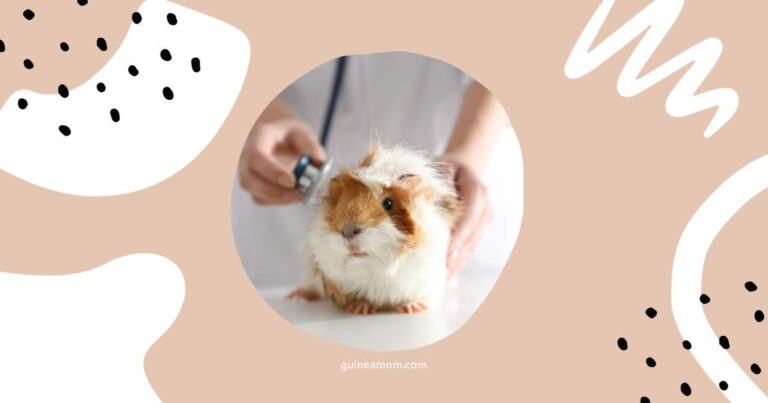
When to See a Vet
Because water intake changes can signal illness, contact your vet if your guinea pig:
- Suddenly drinks much less or much more than their normal, without an obvious reason (like hot weather)
- Shows signs of dehydration (skin slow to snap back, sunken eyes, sticky gums, dark/scant urine)
- Isn’t eating (a genuine emergency in guinea pigs)
- Has diarrhea (rapid fluid loss)
- Shows increased thirst and urination together (possible diabetes or kidney/bladder issues)
- Seems lethargic, quiet, or unwell in any way
When in doubt, it’s always safer to get a pig that’s off their normal drinking checked — dehydration develops fast in guinea pigs, and intake changes are often an early clue to illness.
How to Support Healthy Water Intake
- Always provide fresh, clean water, refreshed daily, day and night.
- Test the water bottle regularly for airlocks and blockages — the commonest fixable cause of low intake.
- Offer both a bottle and a heavy ceramic bowl so your pig has a preferred, working option.
- Feed water-rich vegetables daily (cucumber, leafy greens) for moisture through food.
- Keep them cool in hot weather, when needs rise.
- Know your pig’s normal — drinking, eating, urine, and droppings — so you catch changes early.
Key Takeaways
- Water intake changes can be normal or a warning sign — context and your pig’s usual pattern are everything.
- Normal is roughly 80–100 ml a day, but varies widely (50–300 ml) with diet and weather; pigs eating lots of veg drink less, which is fine.
- Drinking too little is often due to moisture from vegetables or a faulty/airlocked bottle — but can signal illness, dental pain, or stress, especially with reduced eating.
- Drinking too much is often heat or a dry diet — but a sustained increase (with more urination) can point to diabetes, kidney, or bladder problems.
- Urine is a useful gauge — pale and regular is healthy; dark or scant suggests too little fluid.
- See a vet for sudden or sustained intake changes, dehydration signs, no eating, diarrhea, or increased thirst plus urination.
- Support intake with fresh water, a tested working bottle, a bowl option, hydrating veg, and cool summer conditions.
This article is intended as general educational information for guinea pig owners and is not a substitute for professional veterinary advice. Sudden changes in drinking can signal illness — if your guinea pig’s water intake changes markedly or they seem unwell, consult a qualified veterinarian experienced with guinea pigs.