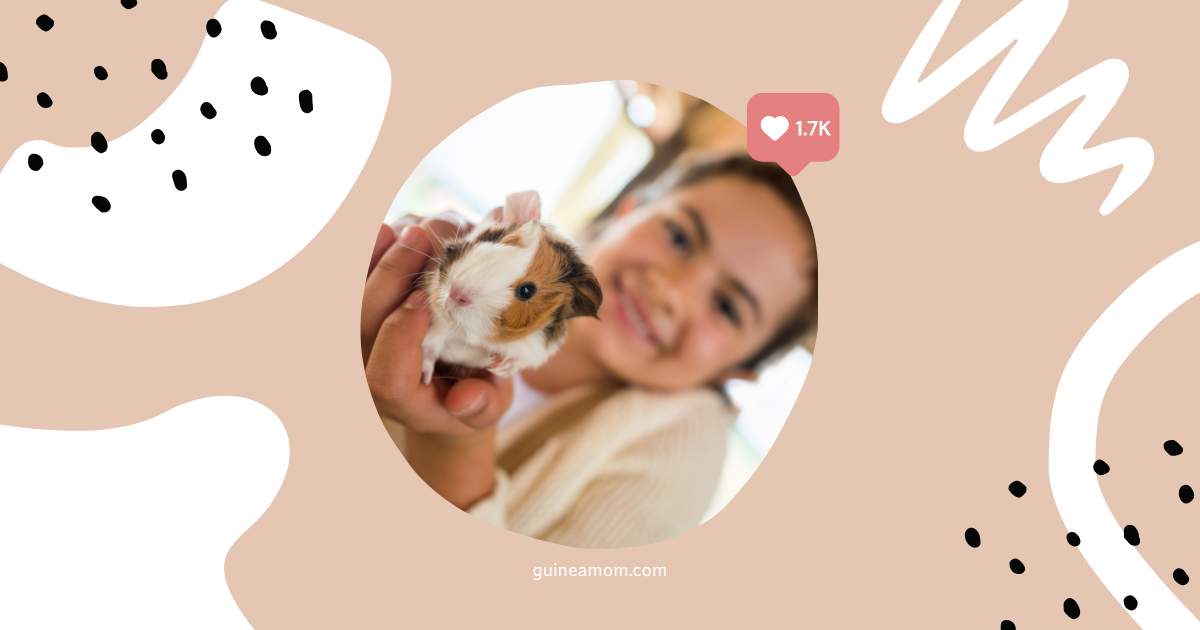
How To Catch A Guinea Pig
Gentle, stress-free ways to catch, coax, and pick up your piggy — without a frantic chase.
The secret to catching a guinea pig is to stay calm and never chase — chasing terrifies a prey animal and makes it dart for cover. Instead, move slowly, get down low, and gently guide your pig toward you or into a hidey-house you can lift, then scoop them up from the side (not from above), supporting their whole body. To coax a hiding pig out, lure them with a favorite treat and wait patiently rather than reaching in to grab. And to pick one up without scaring it, approach calmly, talk softly, support the chest and bottom with both hands, and hold them close and low. Above all, the calmer and more trusting your pig is, the easier catching becomes — so building trust over time is the real long-term solution. Here’s how to do it all.
Are Guinea Pigs Hard to Catch?
Guinea pigs can be tricky to catch — and it helps to understand why. They’re prey animals, hardwired to flee from anything that looms over them or comes at them quickly, because in the wild that would mean a predator. They’re also surprisingly fast, love to hide, and instinctively dart away when grabbed from above. So a pig that zooms into a hidey-house the moment you reach for it isn’t being difficult — it’s just being a guinea pig.
The good news: they’re not hard to catch once you use the right, gentle approach — and a pig that trusts you is far easier than a nervous newcomer. So if your pig is a challenge to catch, it’s usually a sign to slow down, be gentler, and build more trust, rather than a permanent problem. With the techniques below, almost any pig becomes catchable.
Why Chasing Never Works
Before the how-to, one crucial principle: don’t chase your guinea pig around the cage. It’s the most common mistake, and it backfires every time. Chasing triggers your pig’s flight instinct, sends them bolting for cover, spikes their stress, and — worst of all — teaches them that your hands mean fear. That makes them harder to catch next time, not easier.
Every technique below is built on the opposite idea: staying calm and letting your pig feel safe, so catching becomes gentle rather than a panic.
How Can I Catch My Guinea Pig?
Here’s the calm, reliable method for catching a guinea pig:
- Stay calm and get low. Sit or crouch down to their level and move slowly. A calm energy keeps your pig calmer too.
- Don’t chase — guide. Rather than grabbing at a moving pig, gently encourage them toward a corner, a smaller area, or a hiding spot, without any frantic pursuit.
- Use a hidey-house or tunnel (the best trick). Guinea pigs love to run into hideys when they feel unsure — so use that instinct. Let your pig dash into a portable hidey-house or tunnel, then simply lift the whole thing with your pig safely inside. This is the least stressful way to catch a pig, since they feel secure the entire time.
- Or scoop gently from the side. If you’re picking them up directly, approach from the side (never swooping from above), cup one hand under the chest and the other under the bottom, and lift smoothly.
- Use treats. Offering a favorite veg can bring your pig right to you, turning “catching” into a happy approach.
- Be patient. If your pig is spooked, give them a moment to settle rather than forcing it.
The hidey-house method in particular is a game-changer for skittish pigs — keep a lightweight, open-ended hidey in the cage precisely for this.
How to Lure a Guinea Pig Out of Hiding
Sometimes the challenge isn’t catching a running pig — it’s coaxing a hiding one out. Guinea pigs feel safest tucked away, so the trick is to make coming out more appealing than staying hidden. Here’s how to lure a guinea pig out of hiding:
- Use a tempting treat. Hold a favorite food — a slice of bell pepper, a sprig of cilantro, a bit of leafy green — near the entrance of their hiding spot. The smell of a favorite veg is powerful motivation.
- Sit quietly and wait. Resist the urge to reach in and grab, which only makes them retreat further. Instead, be still and patient, and let curiosity (and appetite) bring them out on their own terms.
- Use familiar cues. Talk softly, or make a sound they associate with food (like the rustle of a veggie bag) — many pigs will pop out at the sound of “dinner.”
- Never pull them out. Dragging a pig from its hiding place by force is frightening and damages trust. Patience and treats work far better.
- Make the hidey liftable. If you genuinely need to get them out, a portable hidey lets you gently lift the whole thing — pig inside — rather than fishing them out.
With a hungry, curious pig, a tasty treat and a little patience will win almost every time.
How to Pick Up a Guinea Pig Without Scaring It
Once you’ve caught (or coaxed out) your pig, picking them up gently keeps the whole experience positive. Here’s how to pick up a guinea pig without scaring it:
- Approach calmly and from the side. Never loom or swoop from directly above — to a prey animal, that looks like a bird of prey. Come in low and from the side.
- Let them know you’re there. Talk softly and let your pig see and hear you first, so you’re not a sudden surprise.
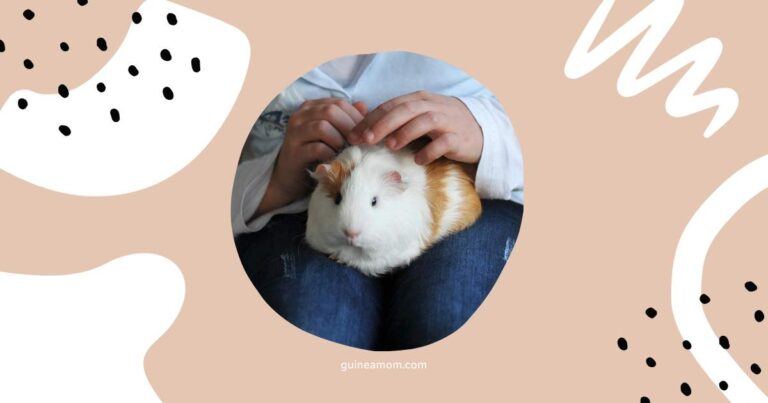
- Support the whole body. Slide one hand gently under the chest and front legs, and the other under the bottom and hindquarters. Always support the back end — never let it dangle.
- Hold them close and low. Bring your pig securely against your body, which helps them feel safe, and stay low to the ground in case they wriggle or leap (a fall from height can injure them).
- Move slowly and confidently. Smooth, gentle movements reassure your pig, while jerky or hesitant ones unsettle them.
- Never grab, squeeze, or lift by a limb or the scruff. Always use two hands and full-body support.
A pig that’s picked up gently and securely quickly learns that being handled is nothing to fear — which makes every future catch easier.
Making Catching Easier Over Time
The ultimate way to make catching effortless is to build trust, so your pig doesn’t fear you in the first place. Spend calm time near the cage, hand-feed treats, and handle your pig gently and regularly, so your hands become a source of good things rather than something to flee. A consistent routine helps too — pigs who are used to being picked up at certain times (with a treat reward) come to accept it as normal.
A few practical extras: keep the environment calm when you need to catch them, have a portable hidey-house in the cage as your go-to catching tool, and if you’re catching them from a large floor-time area, gently reduce the space first so there’s less room to dash. Over time, a trusting, well-handled pig becomes easy — sometimes even happy — to be picked up.
What Not to Do
To keep catching stress-free, avoid these common mistakes:
- Don’t chase your pig around — it teaches fear and makes things worse.
- Don’t grab from above — approach from the side instead.
- Don’t corner them aggressively or make sudden lunges.
- Don’t pull a pig out of hiding by force.
- Don’t grab by a leg, foot, or the scruff — always support the whole body.
- Don’t rush — impatience spooks a prey animal.
Key Takeaways
- Guinea pigs can be tricky to catch because they’re fast, hide-loving prey animals — but the right gentle approach makes it easy.
- Never chase — it triggers their flight instinct and teaches them to fear your hands.
- The best catching trick is to let your pig run into a portable hidey-house or tunnel, then lift the whole thing with them safely inside.
- Lure a hiding pig out with a favorite treat and patience — sit quietly and wait, and never pull them out by force.
- Pick them up without scaring them by approaching calmly from the side, supporting the chest and bottom with both hands, and holding them close and low.
- Never grab from above, squeeze, or lift by a limb — always use gentle, full-body support.
- Building trust and a routine makes catching effortless over time — a well-handled pig fears you far less.
This article is intended as general educational information for guinea pig owners. If your guinea pig is unusually difficult to catch, seems fearful, or shows a sudden change in behavior, consider that stress or an underlying health issue may be involved, and consult a qualified veterinarian if you have concerns.