Guinea Pig Baby Socialization Tips
How gentle handling in the early weeks shapes a friendly, confident adult guinea pig.
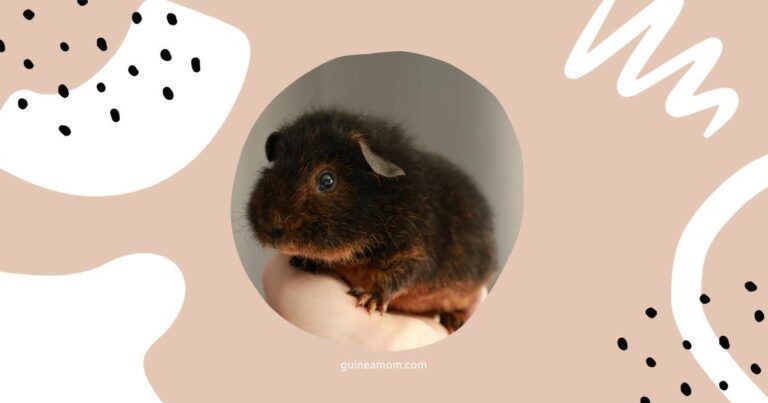
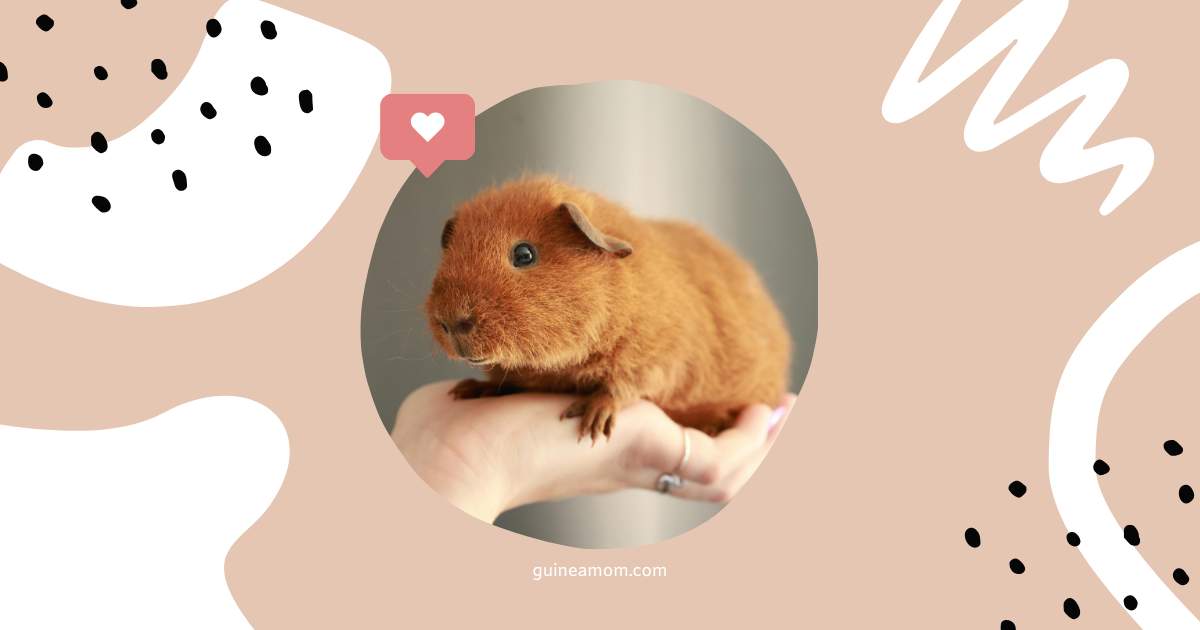
The early weeks of a guinea pig pup’s life are a golden window for socialization — and getting it right helps produce a friendly, confident, people-loving adult. The key tips: handle pups gently from birth (washing your hands first — and don’t worry, the mother won’t reject them for smelling of you), keep every interaction calm and positive, be consistent with little-and-often sessions, let pups learn social skills from their mother and littermates, gently expose them to everyday life (household sounds, different gentle people), and — crucially — don’t overwhelm them, always letting them rest, nurse, and retreat. Well-socialized pups grow into relaxed adults who enjoy handling and trust their humans; under-socialized ones tend to stay skittish. Here’s how to make the most of this precious window.
Why Early Socialization Matters So Much
Guinea pigs are prey animals, naturally cautious of the world — but their earliest weeks are a sensitive period when they’re especially open to learning that people and handling are safe and pleasant. Positive experiences during this window shape their temperament for life.
Pups who are gently and regularly handled as babies typically grow into friendly, confident, relaxed adults who enjoy interaction and settle easily in your company. Pups who miss out on early socialization, by contrast, often remain shy and skittish, taking far longer (and more patience) to trust people later on. So the effort you put in now pays off for years — this is genuinely one of the most valuable things you can do for a young guinea pig.
Tip 1: Start Gently From Birth
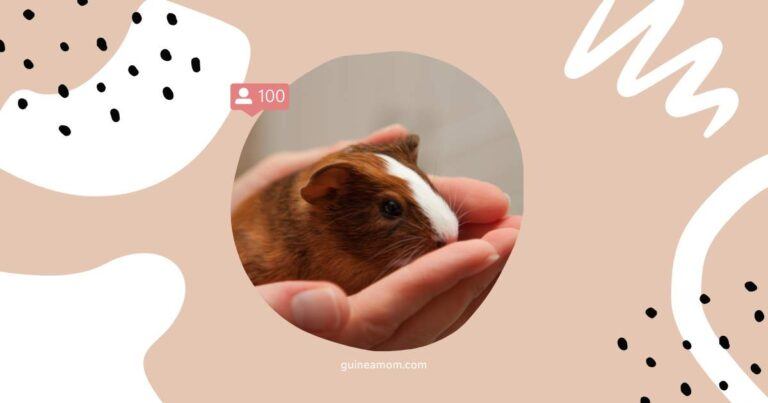
The good news is you can begin right away — pups can be gently handled from birth. And a reassuring myth to bust: the mother will not reject her babies for smelling of humans, so you don’t need to keep your hands off.
Do it safely, though:
- Wash your hands before and after handling, to protect the tiny pups from bacteria and remove unfamiliar scents.
- Support their whole body gently — they’re fragile.
- Stay low to the ground, in case a wriggly pup leaps.
- Keep early sessions short and calm.
Gentle handling from the start gets pups comfortable with human touch during exactly the window when it matters most.
Tip 2: Keep It Calm and Positive
Every early experience should teach a pup that people are safe and good. So keep interactions calm, quiet, and gentle — no sudden movements, loud noises, or chasing, all of which frighten a prey animal.
As pups start nibbling solids (from around two days old), you can begin hand-offering tiny bits of healthy food like a sliver of bell pepper, helping them associate your hands with good things. Talk softly, move slowly, and let curiosity build. Positive, pressure-free experiences are the foundation of a trusting adult pig.
Tip 3: Be Consistent — Little and Often
Socialization works best as a regular habit rather than occasional big sessions. Short, gentle interactions little and often throughout the early weeks steadily build a pup’s confidence and trust.
Consistency is what turns handling from something novel and slightly scary into something completely normal and unremarkable to a young pig. A few calm minutes each day does far more good than one long session now and then.
Tip 4: Let Them Learn From Mom and Littermates
Not all socialization comes from you — a huge amount comes from other guinea pigs. By staying with their mother and littermates through their early weeks, pups learn essential guinea pig social skills: how to communicate, establish gentle hierarchy, play, and get along with their own kind.
This is one reason not to separate pups too early (beyond the essential rule of separating male pups by around three weeks to prevent unwanted pregnancies). Time with mom and siblings helps raise a pup that’s well-adjusted with both people and other pigs.
Tip 5: Gently Introduce Everyday Life
Alongside handling, gentle exposure to the normal sights and sounds of home helps pups grow into unflappable adults. Let them experience ordinary household sounds and activity from the safety of their enclosure, and — as they grow more confident — being gently handled by a few different calm people, so they learn that humans in general are safe, not just you.
The key word is gentle: introduce new experiences gradually and in small doses, so each one is a positive, manageable experience rather than an overwhelming one.
Tip 6: Don’t Overwhelm Them
This is just as important as handling itself. Pups are tiny, need plenty of rest and nursing, and can be stressed by too much too soon. So balance socialization with quiet time, keep sessions short, and always let a pup retreat if it wants to.
Watch for signs a pup has had enough — struggling, freezing, or trying to hide — and respect them. Forcing interaction backfires, teaching fear instead of trust. Gentle, respectful, bite-sized socialization that honors the pup’s limits is what builds real confidence.
Tip 7: Include Children — Gently and Supervised
If children are part of the household, they can take part in socializing the pups — with supervision. Teach them to be calm and quiet, to handle pups only while sitting on the floor (so a wriggle can’t cause a fall), and to always be gentle and support the whole body. Supervised, gentle interaction with children helps pups become comfortable around the whole family — just keep it calm and never rough or rushed.
The Payoff: A Friendly, Confident Adult
It’s worth remembering why you’re doing all this during the busy newborn period: the calm, gentle, consistent socialization you provide now is what produces a guinea pig who, months and years from now, wheeks with delight when you appear, settles contentedly on your lap, and trusts you completely. Few things you do for a young guinea pig pay off as richly — or as lastingly — as good early socialization.
Key Takeaways
- The early weeks are a golden window — gentle socialization now shapes a friendly, confident adult, while missing it tends to leave pigs skittish.
- Handle gently from birth — wash your hands first, support their bodies, stay low, and keep sessions short; the mother won’t reject them.
- Keep it calm and positive, using soft voices and hand-fed treats (once they’re on solids) to build good associations.
- Be consistent — short, gentle interactions little and often work best.
- Let pups learn from mom and littermates, which teaches essential guinea pig social skills (while still separating males by ~3 weeks).
- Gently introduce everyday life — household sounds and a few different calm handlers — in small, positive doses.
- Don’t overwhelm them — balance socializing with rest and nursing, watch for stress, and always let a pup retreat.
- Include children gently and supervised, teaching calm, floor-level, fully-supported handling.
This article is intended as general educational information for guinea pig owners and is not a substitute for professional veterinary advice. Newborn pups are fragile; handle them gently and minimally, prioritize their rest and nursing, and consult a qualified veterinarian with any health concerns.