How To Socialize Your Guinea Pig
A complete guide to helping your piggy feel comfortable — with you, and with other guinea pigs.
Socializing a guinea pig happens on two fronts: helping them feel comfortable with you (their humans), and helping them live happily with other guinea pigs. Both come down to the same core principles — patience, gentleness, and respecting your pig’s pace. With people, you build trust gradually through a calm presence, hand-fed treats, and careful handling. With other pigs, you provide a compatible companion, introduce them on neutral territory, and let them establish their natural social order. Because guinea pigs are timid prey animals and social herd animals, good socialization works with both instincts rather than against them. Done well, you end up with a confident pig who greets you with excited wheeks and lives contentedly alongside a piggy friend — the happiest possible setup.
What “Socializing” a Guinea Pig Really Means
When people talk about socializing a guinea pig, they can mean two quite different things — and a fully socialized pig is comfortable in both areas.
The first is socializing your pig to humans: helping a naturally nervous animal learn to trust you, accept handling, and enjoy your company. The second is socializing your pig with other guinea pigs: meeting their deep need for companionship by helping them bond and live peacefully with their own kind.
Both matter, both rest on the same foundation of patience and respect, and both work best when you understand the two instincts at the heart of guinea pig nature: they’re prey animals (so they’re cautious and need to feel safe) and herd animals (so they’re built for social life with other pigs). This guide covers both dimensions in turn.
Part 1: Socializing Your Guinea Pig With You
Winning the trust of a prey animal takes time, but the path is reliable. The key is a series of small, positive, repeated experiences that prove you’re safe.
Let them settle first. When a pig is new, give them several quiet days to adjust to their home before much handling. A pig who feels secure in their space can begin to trust you.
Become a calm, familiar presence. Spend time near the enclosure and talk softly and often, so your pig learns to associate your voice and presence with safety. Move slowly and predictably — sudden movements and looming hands from above trigger prey instincts.
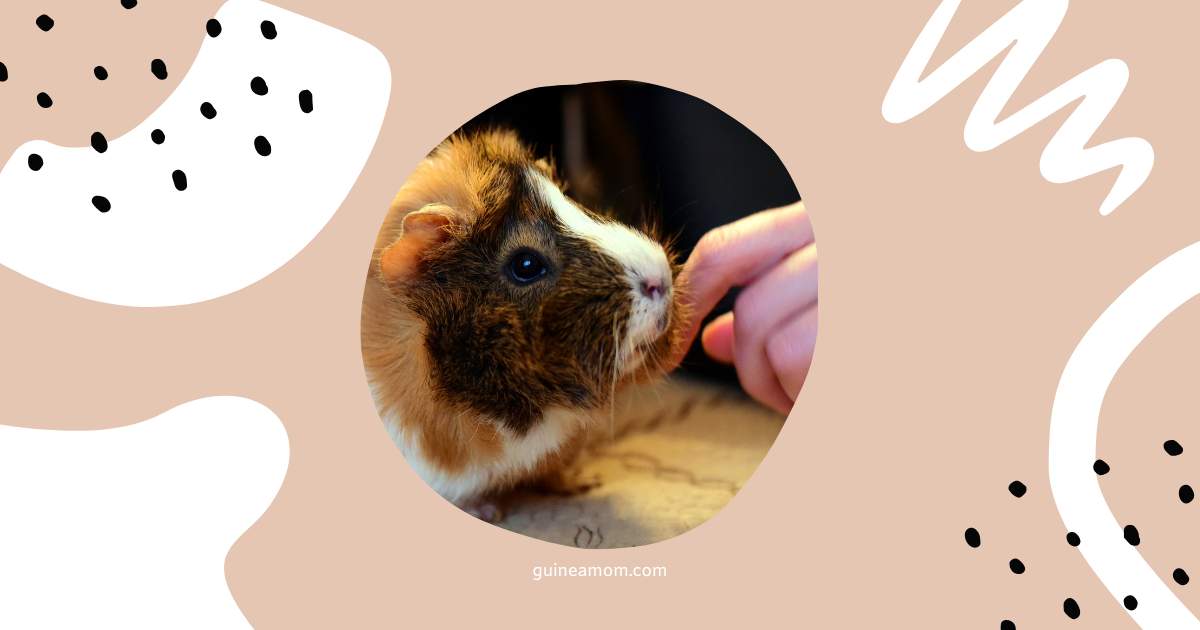
Win them over with food. Offer healthy treats by hand — a strip of bell pepper, a sprig of herbs. At first your pig may grab and retreat; that’s progress. Over time they’ll grow bolder, learning that you mean good things.
Introduce handling gently and safely. Once they’re comfortable, pick your pig up with care: support the chest with one hand and the hindquarters with the other, hold them securely against your body, and stay low to the ground in case they leap. Always support the back end, never squeeze, and keep early sessions short.
Enjoy lap time and floor time. As trust grows, calm lap time (on a towel, in a quiet spot) and supervised floor time in a safe area deepen the bond. Many pigs are braver and more playful at floor level.
The signs it’s working are unmistakable: wheeking greetings, calm treat-taking, approaching the cage front, and relaxing — even dozing — in your company.
Part 2: Socializing Your Guinea Pig With Other Guinea Pigs
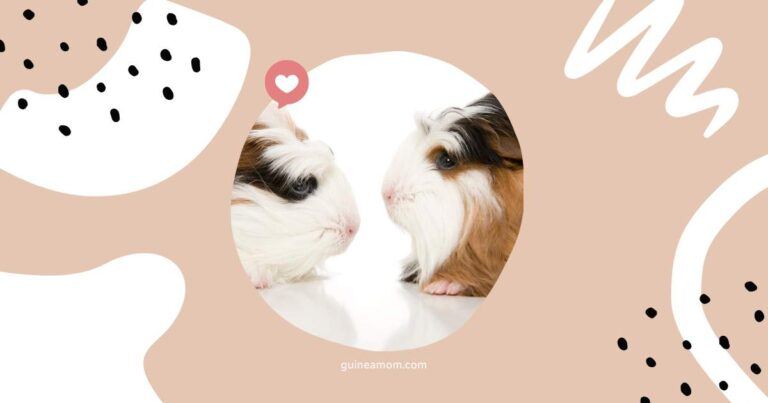
Because guinea pigs are herd animals, companionship with their own kind is a core part of their wellbeing — something no human can fully replace. Socializing them with other pigs means helping them form those all-important bonds.
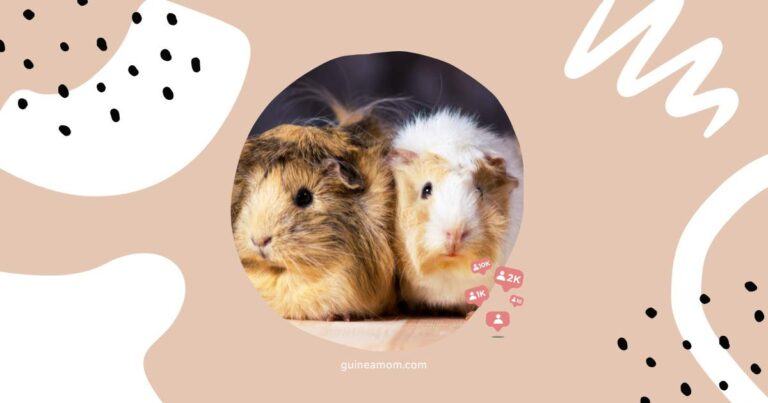
Understand the need for companionship. Most guinea pigs are happiest living with at least one compatible friend, with someone to huddle, groom, and chatter with around the clock. A lone pig is prone to loneliness, so providing a companion is one of the kindest things you can do.
Choose a compatible match. Pairings like two sows, or a neutered boar with a sow, often work well — but personality matters just as much as sex, and a bold pig often suits a more easygoing one. Many rescues offer temperament-based matching. One firm rule: pair guinea pigs only with other guinea pigs, never with rabbits or other species.
Introduce on neutral territory. Bring pigs together in a space neither considers their own, then move them into a thoroughly cleaned, ideally rearranged enclosure so it feels like shared ground rather than one pig’s turf.
Expect — and allow — a hierarchy to form. New pigs sort out their social order through dominance behaviors: rumbling, the swaggering “rumblestrut,” mounting, chin-raising, and some chasing. This looks dramatic but is normal and healthy, and shouldn’t be interrupted. Only genuine aggression — relentless fighting, lunging with intent, or any drawn blood — calls for stepping in.
Set them up to succeed. Provide ample space and multiple resources — several food stations, water sources, and hidey-houses with two exits — so no pig can be cornered or guarded away from essentials. Good setup prevents most conflict.
Patience pays off here too: many of the closest, lifelong guinea pig friendships begin with a noisy, bossy first few days.
Common Socializing Pitfalls to Avoid
A few mistakes set socialization back on both fronts, so they’re worth keeping in mind:
- Rushing. Too much handling too soon, or forcing introductions, overwhelms pigs. Let them set the pace.
- Approaching like a predator. Grabbing from above, chasing, or cornering teaches fear, not trust.
- Ignoring their signals. Pushing past “I’ve had enough” cues (wriggling, head tossing, teeth chattering) erodes trust.
- Over-intervening between pigs. Breaking up normal dominance behavior actually prolongs the process.
- Skimping on space and resources. Cramped quarters and too few hideys or food stations cause stress and conflict.
- Keeping a pig alone. No amount of human attention fully replaces a guinea pig companion.
Socializing Trickier Cases: Shy, Rescued, or Previously Alone Pigs
Some pigs need extra patience — and that’s completely normal. A very shy pig, a rescue with an unknown past, or a guinea pig who’s lived alone for a long time may take longer to come around, whether with people or with other pigs.
For these pigs, slow right down and let them lead. Go back to the gentlest basics — a calm presence, hand-fed treats, no pressure — and celebrate small wins. A pig who has been alone for a long time can still learn to enjoy companionship, but introductions may need extra time and a particularly well-matched, easygoing companion. And remember that a pig who seems unusually withdrawn or fearful should be checked by a vet, since guinea pigs hide illness and may show it through behavior first. Above all, don’t measure these pigs against a “normal” timeline; their progress is their own, and patience nearly always wins out.
Patience: The Common Thread
Whether you’re socializing your guinea pig with you or with other pigs, the same truth applies: every pig is an individual, and they each move at their own pace. Some are bold and trusting within days; others take weeks or months. A slow-to-socialize pig isn’t a failure — it’s just their personality and history.
Keep showing up with gentle, consistent, positive interaction, provide a compatible friend and a thoughtful environment, and respect your pig’s signals throughout. The reward — a confident, sociable pig who’s content with both their humans and their herd — is well worth every patient step.
Key Takeaways
- Socializing has two sides — with you (humans) and with other guinea pigs — and a fully socialized pig is comfortable with both.
- Both rest on the same principles: patience, gentleness, and respecting your pig’s pace, working with their prey-animal and herd-animal instincts.
- To socialize with people, let new pigs settle, build a calm presence, win them over with hand-fed treats, handle gently and safely, and enjoy lap and floor time.
- To socialize with other pigs, provide a compatible companion, introduce on neutral territory, allow the natural hierarchy to form, and set them up with ample space and resources.
- Avoid common pitfalls — rushing, approaching like a predator, ignoring cues, over-intervening, and keeping a pig alone.
- Be extra patient with shy, rescued, or previously-alone pigs, go back to basics, and rule out illness behind sudden withdrawal.
- Patience is the common thread — every pig socializes at their own pace, and consistency wins out.
This article is intended as general educational information for guinea pig owners. If your guinea pig is persistently fearful or shows a sudden change in behavior, consider consulting a qualified veterinarian or an experienced guinea pig rescue, as behavioral changes can sometimes have an underlying health cause.