Caring For Baby Guinea Pigs
A complete overview of raising healthy, happy pups — from birth through weaning and beyond.
Caring for baby guinea pigs (called pups) is easier than you might expect, because they’re born remarkably independent — furred, eyes open, mobile, and nibbling solid food within days. Your main jobs are to let mom nurse them undisturbed, provide the right food (unlimited hay including alfalfa, veg for vitamin C, a good pellet, and water), weigh each pup daily to make sure they’re thriving, handle them gently to raise friendly adults, keep them in a safe, pup-proofed home, and — crucially — separate male pups by around three weeks to prevent unwanted litters. You’ll also need to look after the mother as she recovers and nurses. This overview walks through all of it, with links to our detailed guides on feeding and newborn health.
What to Expect: Baby Pigs Are Born Ready
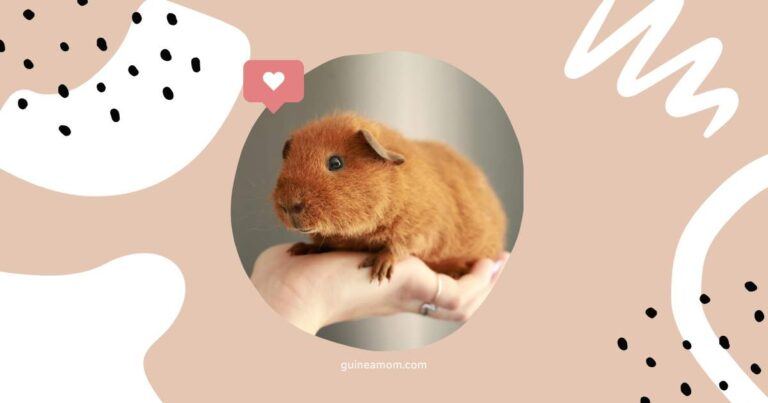
Guinea pig pups are precocial — unusually well-developed at birth. Within hours they typically have a full coat, open eyes, teeth, and enough coordination to walk, squeak, and popcorn around the cage. A newborn weighs roughly 70 to 115 grams.
Here’s the development timeline at a glance:
- Birth: fully furred and mobile; begins nursing.
- ~2 days: starts nibbling solid food alongside nursing.
- First week: weigh daily; expect a small initial dip, then steady gains.
- ~3–4 weeks: weaned onto solid food.
- ~4 weeks: reaches sexual maturity (startlingly young!) — males must already be separated.
- ~6–8 weeks: the usual age for rehoming, if applicable.
- ~6 months: reaches adulthood.
Knowing this arc helps you support each stage — and reassures you that a lot of “baby care” is simply providing the right environment and letting nature do its thing.
Feeding Baby Guinea Pigs
Pups feed in two ways at once: they nurse from their mother until around three to four weeks, while also nibbling solids from as early as two days old. So from birth, make sure the litter has access to unlimited hay (including nutrient-rich alfalfa for growth), fresh vegetables and greens for vitamin C, a quality pellet, and accessible fresh water.
Because mothers nurse only a few times a day and have just two nipples, larger litters need watching to be sure everyone feeds — which is where the daily weigh-in comes in. (For the full details on nursing, introducing solids, weaning, and hand-feeding orphans, see our complete Newborn Guinea Pig Feeding Guide.)
Monitoring Their Health
The single most important health habit is a daily weigh-in for at least the first week (then weekly). A small weight dip in the first day or two is normal, but pups should be gaining by around day three or four. Watch for warning signs — a pup that feels cold, seems listless, or isn’t gaining weight needs prompt veterinary attention, as newborn pups can fade fast.
A healthy pup is active, warm, nursing, gaining weight, bright-eyed, and staying with the litter. (For the full set of checks and warning signs, see our Guinea Pig Newborn Health Checklist.)
Handling and Socializing Baby Pigs
Here’s some lovely news: you can gently handle pups from birth, and — contrary to a common myth — the mother will not reject them for smelling of humans. In fact, regular, gentle handling in these early weeks helps raise friendly, confident, well-socialized adults, so it’s genuinely worthwhile.
Do it right: always wash your hands before and after handling (to protect the pups and remove unfamiliar scents), keep sessions gentle and brief, always support their tiny bodies, and stay low to the ground in case a pup wriggles. Let mom and pups rest between handling, and keep things calm. This early socialization pays off for years in a more relaxed, people-friendly pig.
Housing and Environment for Babies
Baby pigs stay with their mother, so the priority is making the existing home safe for tiny, mobile newborns:
- Solid flooring — never wire, which can injure little feet — with no gaps a pup could slip through or get stuck in.
- Soft, safe bedding that’s easy for small pups to move on.
- No fall hazards — remove high ledges or steep ramps.
- Accessible food and water — a water bottle at a reachable height, and caution with open bowls (very shallow is safest).
- Enough space — a litter of active, popcorning pups needs room, so make sure the enclosure isn’t overcrowded.
Keep the environment calm and quiet so mom can nurse and the pups can settle.
Caring for the Mother
Don’t forget the sow — she’s recovering from birth and working hard to nurse. Keep up her enriched pregnancy-style diet through nursing (unlimited food, extra vitamin C and calcium, alfalfa), since producing milk is demanding and she should never go short.
Watch her health closely too: the weeks around birth carry risks like pregnancy toxemia and mastitis (swollen, red, painful mammary glands). Contact your vet promptly if she stops eating, seems weak or lethargic, or her mammary area looks inflamed. And keep her separated from any males — remember, she can become pregnant again immediately after giving birth.
Weaning and Growing Up
Because pups nibble solids from just days old, weaning is a smooth, gradual transition rather than an abrupt switch. Pups are usually weaned around three to four weeks of age. As they grow toward adulthood, their diet shifts to the standard adult diet — grass hay as the foundation, with alfalfa phased out (since adults don’t need its high calcium) — while keeping vitamin C constant throughout.
Separating the Sexes: A Must
This is the most important timing in baby care. Guinea pigs reach sexual maturity startlingly early — males can be fertile from around three to four weeks — and they don’t avoid mating with relatives. So male pups must be separated from their mother and sisters by around three weeks of age to prevent unwanted (and risky) pregnancies. Have separate housing ready in advance. If you’re unsure how to sex the pups, a vet or experienced keeper can help.
Rehoming the Pups
If you’re rehoming pups, the usual age is around six to eight weeks, once they’re fully weaned and independent. Do it responsibly: make sure pups are correctly sexed, rehome them into compatible same-sex pairs or groups (since guinea pigs need companionship), and vet new homes for their readiness to provide proper care. Planning homes in advance — or working with a rescue — prevents the common problem of ending up with more guinea pigs than you can properly care for.
Key Takeaways
- Pups are born ready — furred, eyes open, mobile, and nibbling solids within days — so much of baby care is providing the right environment and support.
- Feed them well — nursing until 3–4 weeks plus solids (hay, alfalfa, veg, pellet, water) from ~2 days; see our feeding guide for details.
- Weigh daily for the first week to confirm they’re thriving; a small early dip is normal, then they should gain. See our newborn health checklist.
- Handle gently from birth (washing hands first) — it’s safe and helps raise friendly, confident adults.
- Keep them in a safe, pup-proofed home — solid floors, no gaps or fall hazards, accessible food and water, and enough space.
- Care for the mother — keep up her rich nursing diet, watch for post-birth complications, and keep her away from males.
- Separate male pups by ~3 weeks — they mature startlingly young and can cause unwanted pregnancies.
- Rehome responsibly around 6–8 weeks, correctly sexed and into compatible pairs.
This article is intended as general educational information for guinea pig owners and is not a substitute for professional veterinary advice. Newborn pups and post-birth mothers are vulnerable; if any pup isn’t thriving or the mother seems unwell, please contact a qualified veterinarian experienced with guinea pigs promptly.