Newborn Guinea Pig Feeding Guide
How baby pups feed — from mom’s milk to their first solids to weaning, plus what to do for orphans.
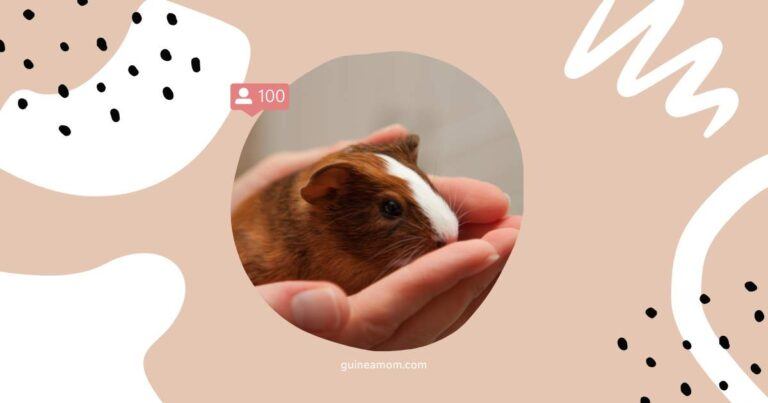
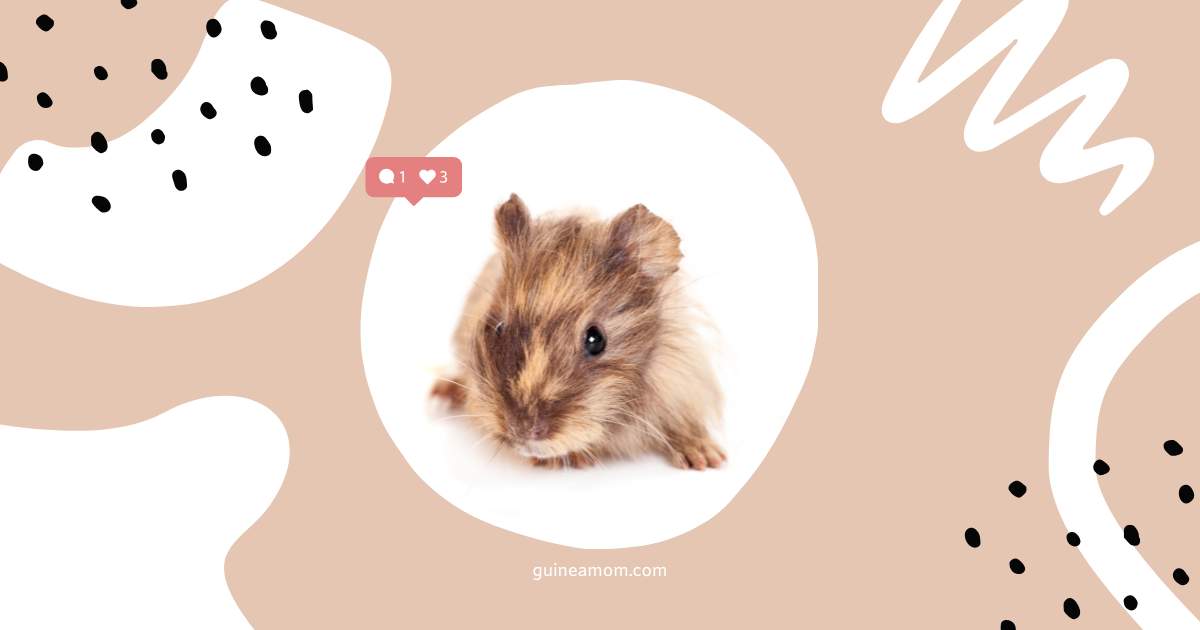
Newborn guinea pigs (called pups) feed in a surprising way: they nurse from their mother until around three to four weeks old, but they also start nibbling solid food from as early as two days of age, learning what to eat by watching mom. So from day one, offer the litter unlimited hay (including nutrient-rich alfalfa hay for growth), fresh vegetables and greens for vitamin C, a quality pellet, and accessible fresh water — right alongside their nursing. The key job for you is to weigh each pup daily to make sure everyone’s getting enough, since a mother has only two nipples and larger litters need watching. If a pup is orphaned or rejected, that’s a veterinary situation requiring a special milk replacer (never cow’s milk) and careful technique. Here’s the full guide.
How Newborn Pups Feed: Two Ways at Once
The most surprising thing about feeding newborn guinea pigs is that they do two things simultaneously from very early on. Unlike many baby animals that rely solely on milk for weeks, guinea pig pups are born so well-developed — with teeth and full mobility — that they nurse from their mother and begin sampling solid food within days.
This means your role is really about supporting both: making sure mom can nurse undisturbed, and providing the right solid foods (in pup-accessible form) from the very start. Let’s break down each part.
Mother’s Milk and Nursing
A nursing mother’s milk is perfectly formulated for her pups — rich in fat, protein, and vitamin C — and it’s the cornerstone of their nutrition for the first few weeks. Pups continue nursing until around three to four weeks of age.
A few things to know about nursing:
- Mothers nurse only a few times a day. This hands-off style is completely normal — she doesn’t need to feed them constantly, so don’t mistake it for neglect.
- A sow has just two nipples. With a big litter, this means pups take turns, so it’s worth watching that every pup gets its share (the daily weigh-in, below, is how you check).
- Let her nurse in peace. Keep the environment calm so she can feed her pups without stress.
Introducing Solid Food
Here’s what surprises many new owners: pups start nibbling solids from as young as two days old, imitating their mother. So the right foods should be available to the whole litter from the start — you don’t wait until weaning to introduce them.
Because pups learn by watching mom eat, simply having good food available and mom modeling healthy eating does most of the work. Just make sure everything is accessible to tiny mouths and bodies.
What to Feed Baby Guinea Pigs
From birth, the litter should have access to the same core foods as adults — with one important addition for the growing pups. The pup menu:
- Alfalfa hay. This is the key difference for babies. Alfalfa is richer in calcium and protein than grass hay, which growing pups need for healthy development. (Note: while alfalfa is great for pups and nursing moms, non-nursing adult pigs shouldn’t have much, as the extra calcium can contribute to bladder problems.)
- Grass hay. Unlimited grass hay (Timothy, orchard, meadow) should also always be available for fiber and dental health.
- Fresh vegetables and greens. These provide vitamin C, which pups need just like adults, plus a range of nutrients. Offer pup-appropriate, well-washed veg.
- A quality pellet. A good vitamin-C-fortified guinea pig pellet supports their nutrition.
- Fresh water, always. Make sure water is accessible — check that a bottle is at a reachable height, and be cautious with open bowls (very shallow is safest so a tiny pup can’t get chilled or into difficulty).
With this spread available and mom demonstrating, pups transition smoothly onto solids as they grow.
Making Sure Every Pup Gets Enough
This is the most important feeding-related task, and it comes back to one habit: weigh each pup on a kitchen scale daily for at least the first week (then weekly). Weight is your clearest sign that a pup is feeding well.
What’s normal: pups often lose a little weight in the first day or two, then start gaining from around day three or four. What’s concerning: a pup that keeps losing, doesn’t gain when its siblings do, or loses noticeably more than the others — any of which suggests it isn’t getting enough milk. In a large litter especially (remember, two nipples), this daily check is how you catch a pup that’s missing out before it becomes serious.
Feeding Orphaned or Rejected Pups
Sometimes a pup loses its mother to birth complications, or genuinely isn’t being fed. This is a serious situation that needs veterinary guidance — don’t try to improvise it alone.
Key points if hand-feeding becomes necessary:
- Never use cow’s milk — it’s not a suitable substitute for guinea pig milk.
- Use an appropriate milk replacer. Specialized guinea pig hand-rearing formula, or a suitable kitten milk formula containing vitamin C, is used — your vet can advise on the right product and dosage.
- Hand-feeding is risky. Pups can easily inhale liquid (aspirate) when syringe-fed, which is dangerous, so careful technique matters — another reason for vet guidance.
- Weigh daily to confirm the pup is gaining.
- Consider fostering. In some cases, another lactating sow may be able to help feed the pups — something to discuss with your vet or a rescue.
Because an unfed newborn deteriorates quickly, seek professional help fast if a pup is orphaned or clearly not being fed.
Weaning: The Timeline
Weaning is the gradual shift from milk to a fully solid diet. Since pups have been nibbling solids all along, it’s a smooth transition rather than an abrupt switch. Pups are typically weaned around three to four weeks of age, by which point they’re eating plenty of solid food on their own.
As pups wean and grow toward adulthood, their diet gradually transitions to the standard adult diet — with grass hay as the foundation and alfalfa phased back out (since adults don’t need its high calcium). Continue ensuring plenty of vitamin C throughout.
One crucial timing note tied to weaning: male pups must be separated from their mother and sisters by around three weeks, as they can become fertile very young — so plan their feeding and housing separately from that point.
Feeding Timeline at a Glance
- From birth: pups nurse from mom (a few times a day) and have access to hay, alfalfa, pellets, veg, and water.
- From ~2 days: pups begin nibbling solid food, learning from mom.
- First week: weigh daily — expect a small initial dip, then steady gains.
- ~3–4 weeks: pups are weaned onto a fully solid diet; separate male pups by ~3 weeks.
- After weaning: transition gradually to the standard adult diet (grass hay based, alfalfa phased out), keeping vitamin C constant.
Key Takeaways
- Pups nurse until 3–4 weeks but start nibbling solids from ~2 days old, so offer the right foods from birth.
- Mother’s milk is key early on; sows nurse only a few times a day (normal) and have just two nipples, so watch larger litters.
- Offer alfalfa hay for growing pups (extra calcium and protein), plus grass hay, a fortified pellet, vitamin-C-rich veg, and accessible water.
- Weigh each pup daily for the first week — a small early dip is normal, but they should gain from around day 3–4.
- Orphaned or rejected pups are an emergency — seek vet guidance, use a proper milk replacer (never cow’s milk), and mind the aspiration risk of syringe-feeding.
- Weaning happens around 3–4 weeks, transitioning gradually to the adult diet (grass hay based, alfalfa phased out).
- Separate male pups by ~3 weeks, feeding and housing them separately from then on.
This article is intended as general educational information for guinea pig owners and is not a substitute for professional veterinary advice. Newborn pups are fragile; if a pup is orphaned, rejected, or not feeding well, please contact a qualified veterinarian experienced with guinea pigs promptly.