Guinea Pig Newborn Health Checklist
What a healthy newborn pup looks like, the daily checks that matter, and when to call a vet.
Newborn guinea pigs (called pups) are born remarkably well-developed — with fur, open eyes, teeth, and the ability to move around within hours — so a healthy pup is active, warm, nursing, and gaining weight after the first day or two. The single most important health check is a daily weigh-in for at least the first week: it’s completely normal for pups to lose a little weight in the first day or two, but they should start gaining by around day three or four. The key warning signs that a pup needs urgent help are feeling cold, being listless or sluggish, or failing to gain (or losing) weight. Handle pups gently, always wash your hands first, and contact a guinea-pig-savvy vet promptly if anything seems off — newborn pups are fragile and can go downhill fast.
First, What a Healthy Newborn Looks Like
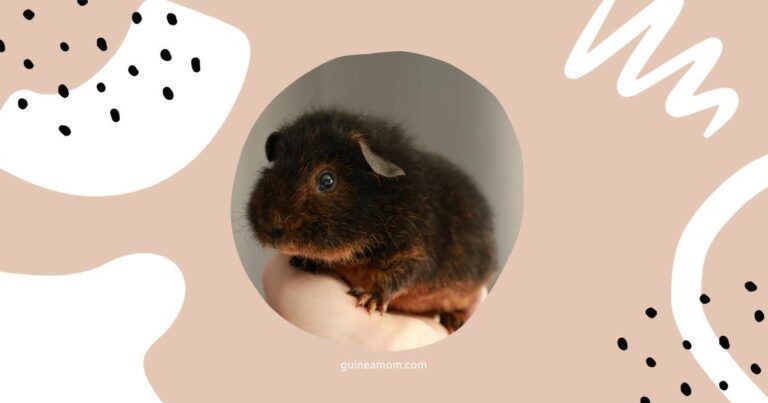
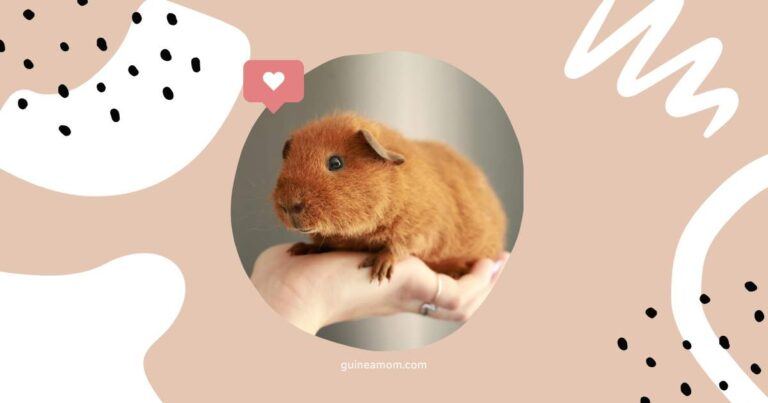
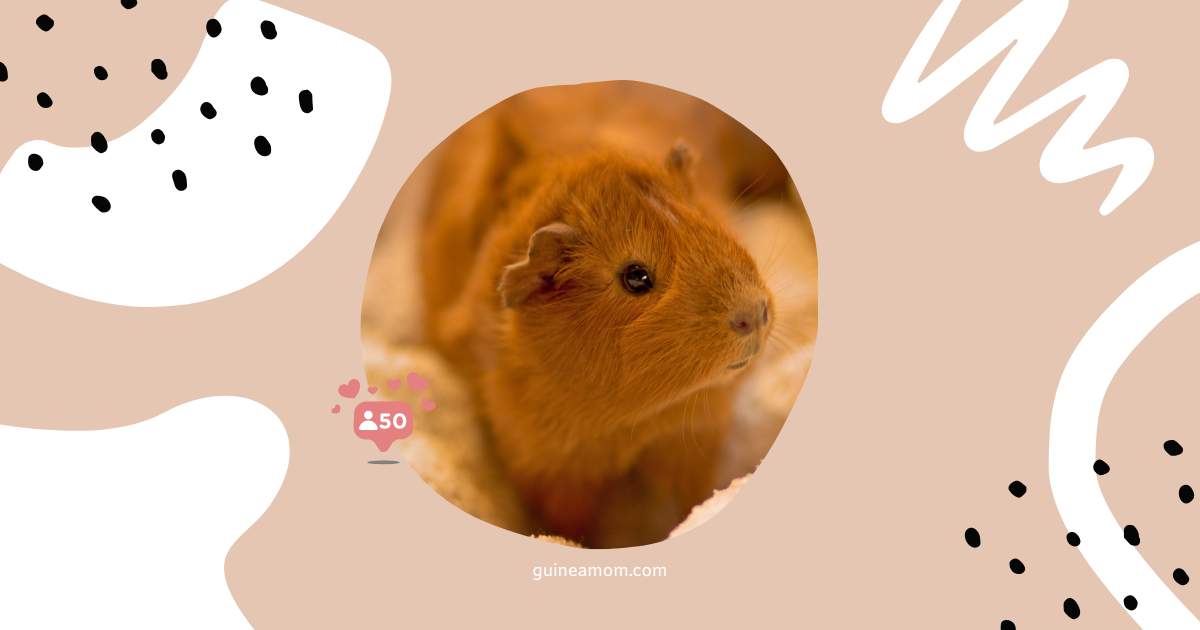
Unlike many baby animals, guinea pig pups are precocial — born ready for the world. Within hours of birth they typically have a full coat of hair, wide-open eyes, a set of little teeth, and enough coordination to walk, squeak, and even popcorn around the cage. A newborn pup usually weighs somewhere around 70 to 115 grams.
Knowing this “normal” matters, because it stops you from panicking at healthy behavior — and helps you spot when something genuinely is wrong. With that baseline in mind, here’s your checklist.
Checklist 1: The First Check, Right After Birth
Once the pups have arrived and mom has cleaned them, do a calm initial check:
- All pups are breathing and active, moving around rather than lying still.
- Each pup feels warm — cold pups are a red flag (more below).
- Each pup has been cleaned by the mother.
- Weigh each pup and write it down — this is your baseline for tracking their progress.
- Count the litter and note if any pup was stillborn or seems much weaker than the others.
- Check on mom too — she should be recovering, reasonably attentive, and (importantly) eating and drinking.
Keep this check gentle and low-stress, and let mom settle with her babies afterward.
Checklist 2: The Daily Weigh-In (The Most Important Check)
If you do only one thing, make it this: weigh each pup on a kitchen scale every day for at least the first week (then weekly after that). Weight is the clearest early indicator of whether a pup is thriving.
Here’s the reassuring part that prevents needless panic: it’s normal for pups to lose a small amount of weight in the first day or two, then start gaining steadily from around day three or four. So a slight early dip isn’t a crisis.
What does warrant action:
- A pup that keeps losing weight past the first couple of days
- A pup that isn’t gaining when its littermates are
- A pup losing significantly more than its siblings
Any of these suggests the pup isn’t getting enough milk and may need extra help or veterinary care — which the daily weigh-in lets you catch early.
Checklist 3: Signs of a Healthy Pup
A thriving newborn pup should be:
- Active and mobile — moving, squeaking, and popcorning around
- Warm to the touch
- Nursing from mom (and, from a couple of days old, nibbling at solids)
- Gaining weight after the normal initial dip
- Bright-eyed with a clean nose and quiet, normal breathing
- In good body condition — rounded and vigorous, not thin or floppy
- Staying with the litter rather than isolated or ignored
If your pups tick these boxes, they’re off to a great start.
Checklist 4: Warning Signs — Call a Vet
Contact a guinea-pig-experienced vet promptly if a pup shows any of these:
- Feels cold to the touch (an emergency — cold pups can fade quickly)
- Listless, sluggish, or barely moving
- Not nursing, or failing to gain / losing weight
- Nasal discharge, or difficult or rapid breathing
- Poor growth compared with littermates
- Isolated from the litter or being ignored by mom
- Any pup that simply seems weak or “not right”
Newborn pups are tiny and fragile, so with any of these, sooner is always better than later.
Is Mom Caring for Them Properly?
A common worry is that the mother is neglecting her babies — but be careful not to jump to that conclusion. Guinea pig mothers have a fairly hands-off style and typically only nurse their pups a few times a day, which is completely normal. She doesn’t need to fuss over them constantly.
That said, keep an eye out. Since a sow has only two nipples, larger litters are worth watching to make sure every pup gets a turn to feed. Genuine signs of trouble include pups that feel cold, are sluggish, or aren’t gaining weight — and if the mother seems truly standoffish and the pups are struggling, check them closely and involve your vet.
Handling Newborn Pups Safely
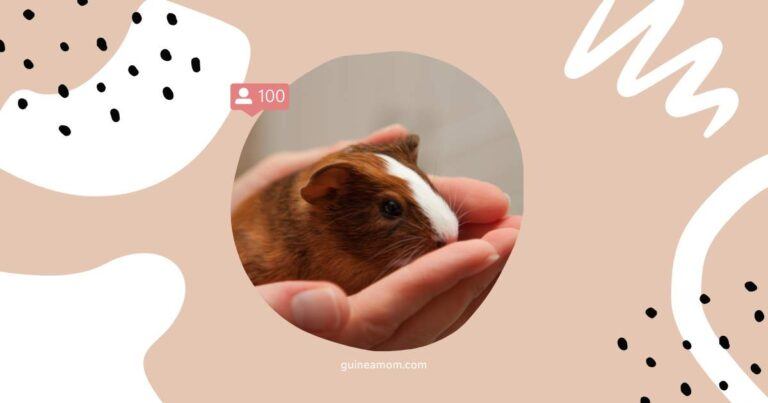
Good news: you can gently handle pups from birth, and — contrary to a common myth — the mother will not reject them for smelling of humans. In fact, gentle regular handling helps socialize them into friendly, confident adults.
Two rules, though: always wash your hands before and after handling the pups (to protect them from bacteria and remove unfamiliar scents that could stress them), and keep handling gentle and brief, always supporting their tiny bodies and staying low to the ground.
Feeding and Nutrition Basics
Pups nurse from their mother (whose milk is rich in fat, protein, and vitamin C) until around three to four weeks of age. Remarkably, they also start nibbling solid food from as early as two days old, learning what to eat by watching mom.
Make sure they have access to the right foods: unlimited hay (offering alfalfa hay to the pups provides extra calcium and protein for growth), plus fresh vegetables and greens for vitamin C, which pups need just like adults. Watch that all pups are both nursing and, as they grow, eating solids.
If a Pup Is Orphaned or Rejected
Occasionally a pup loses its mother to birth complications, or genuinely isn’t being fed. This is a serious situation that needs veterinary guidance — hand-rearing guinea pig pups is difficult and risky (they can easily inhale liquid when syringe-fed). If hand-feeding is needed, an appropriate milk replacer is used (never cow’s milk), and your vet can advise on the right formula and technique. Don’t attempt to improvise this alone; get professional help quickly, as an unfed newborn pup deteriorates fast.
Separating and Weaning
As the pups grow, two timings matter for their health and to prevent unwanted litters. Pups are usually weaned around three to four weeks of age. Crucially, male pups must be separated from their mother and sisters by around three weeks, because they can become fertile startlingly young and could impregnate them. Have separate housing ready ahead of time.
Key Takeaways
- Healthy newborn pups are active, warm, nursing, and (after a small initial dip) gaining weight — they’re born furred, eyes open, and mobile within hours.
- The daily weigh-in is the most important check — weigh each pup daily for the first week; a small early dip is normal, but they should gain from around day 3–4.
- Call a vet promptly if a pup feels cold, is listless, isn’t gaining or is losing weight, has nasal discharge, or is breathing with difficulty.
- A hands-off mom is normal — sows nurse only a few times a day; watch larger litters since she has just two nipples.
- You can handle pups from birth — the mother won’t reject them; just wash your hands first and be gentle.
- Pups nurse until 3–4 weeks but nibble solids from a couple of days old; offer alfalfa hay and vitamin-C-rich foods.
- Orphaned or unfed pups are an emergency — seek vet guidance; never use cow’s milk, and be aware hand-rearing is risky.
- Separate male pups by around three weeks and expect weaning around three to four weeks.
This article is intended as general educational information for guinea pig owners and is not a substitute for professional veterinary advice. Newborn guinea pig pups are fragile and can deteriorate quickly; if a pup shows any warning signs or isn’t thriving, please contact a qualified veterinarian experienced with guinea pigs promptly.