
DIY Guinea Pig Toys
Fun, safe, (mostly) free toys you can make at home to keep your piggies happy and busy.
You don’t need to spend a penny to keep your guinea pigs entertained — some of the best guinea pig toys are homemade from things you already have. Great DIY options include toilet roll and kitchen roll tubes (stuffed with hay), cardboard boxes turned into hidey-houses and tunnels, paper bags, hay-stuffed toys, forage boxes, and simple ramps and tunnels. Guinea pigs love to chew, forage, tunnel, and explore, so the best DIY toys tap into those natural behaviors. The golden rules: use only safe, non-toxic, plain materials (no glue, tape, staples, ink, or small parts), supervise new toys, and rotate them to keep things exciting. Here’s a collection of easy DIY toys plus the safety rules to follow.
Why Enrichment Matters
Guinea pigs are curious, intelligent little animals, and a bored guinea pig isn’t a happy one. Without things to do, pigs can become bored, stressed, and inactive — which can show up as bar-chewing, lethargy, or even weight gain from too little exercise.
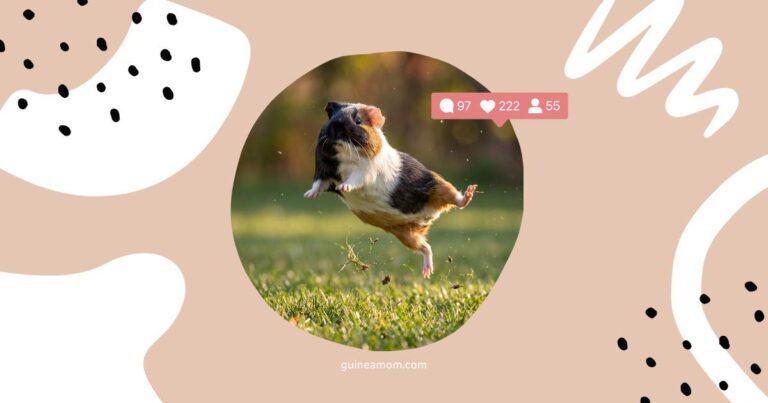
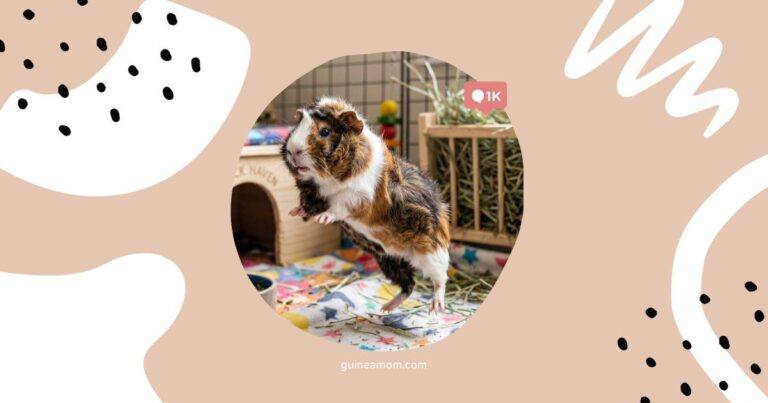
Toys and enrichment tap into guinea pigs’ natural instincts — chewing (essential for their continuously-growing teeth), foraging for food, tunnelling and hiding, and exploring. Meeting those instincts keeps them physically active and mentally stimulated, and often brings out the happiest behaviors of all, like popcorning and zoomies. Best of all, you can provide most of this for free, with a bit of creativity.
Safety First: DIY Toy Rules
Before you start crafting, these rules keep homemade toys safe:
- Plain, untreated cardboard and paper only — avoid anything with glossy or heavy ink, glue, tape, staples, or plastic coating.
- Remove all fastenings — staples, tape, string, and glue can cause injury or blockages if chewed.
- No small or loose parts that could be swallowed.
- Use pet-safe wood if making wooden toys — untreated, unpainted, and from a guinea-pig-safe wood (avoid cedar and treated timber).
- Never use toxic materials — no painted, varnished, or chemically-treated items.
- Supervise new toys at first to see how your pig interacts with them.
- Check toys regularly and replace them when they get soggy, soiled, or chewed to pieces.
- Remember: chewing is normal — expect toys to be destroyed, and that’s fine (that’s the point!).
Cardboard Tube Toys
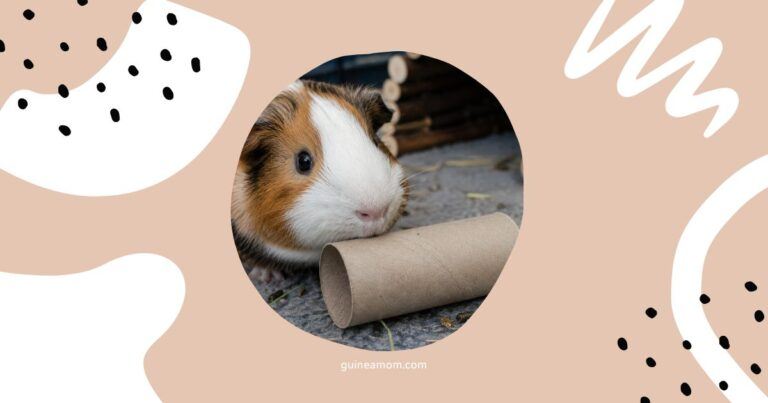
The humble toilet roll or kitchen roll tube is the ultimate free guinea pig toy — pigs love chewing, tossing, and pushing them around. A few easy variations:
- Hay-stuffed tube. Stuff a plain cardboard tube with hay and a few tasty herbs or veg pieces, then fold or crimp the ends. Your pig has to work to pull the hay out — instant forage toy.
- Treat tube. Hide a small treat inside a tube filled with hay so they have to hunt for it.
- Tube tunnel. Line up a few kitchen roll tubes (or cut a larger tube) for a mini tunnel to run through.
- Plain chew tube. Honestly, most pigs are delighted by an empty tube all on its own — to chew, toss, and shove around the cage.
Just make sure the tube is plain cardboard with no glue residue, and be aware that a very small pig could get its head stuck in a narrow tube — cut the tube open lengthwise if you’re at all unsure.
Cardboard Box Creations
A cardboard box is a blank canvas for guinea pig fun:
- DIY hidey-house. Cut two doorways in a box (always two exits, so no pig gets cornered) and you’ve got a free hidey your pigs can also chew and remodel.
- Cardboard castle. Join a few boxes together with tunnels between them for a multi-room playground.
- Box tunnel. Cut the ends off a long box to make an instant tunnel.
- Digging/rummage box. Fill a shallow box with hay, shredded paper, or safe forage materials for burrowing and rummaging.
Remove all tape, staples, and labels first, and use plain, un-inked cardboard wherever possible.
Paper Bag Fun
A plain paper bag (no handles, no ink, no plastic coating) makes a wonderfully simple toy. Guinea pigs love to run inside, rustle around, chew it, and shred it. Pop a little hay or a treat inside to turn it into a forage toy. It’s noisy, satisfying, and completely free — just replace it once it’s shredded (which won’t take long!).
Forage and Treat Toys
Foraging is one of the most natural, enriching activities for a guinea pig, and it’s easy to encourage:
- Scatter feeding. Instead of putting veggies in a bowl, scatter them around the cage or hide them in the hay, so your pigs hunt for their food.
- Forage box. Fill a shallow box or tray with hay and hide small pieces of veg or herbs inside.
- Hay ball or hay pile with treats. Tuck favorite herbs (like cilantro or parsley) deep into a hay pile so pigs have to dig.
- Hanging veg. Some pigs enjoy nibbling at a piece of veg (like a leaf of romaine) hung slightly above them so they have to reach.
- Treat-filled tube (as above).
Foraging toys work brilliantly because they combine mental stimulation, natural behavior, and food — a guinea pig’s favorite things.
Tunnels and Hideys
Guinea pigs adore tunnels — they’re a natural hiding and running instinct — and DIY tunnels are easy:
- Cardboard tube or box tunnels (as above).
- Fleece-covered tunnel. If you sew, a simple fleece tunnel or “cuddle cup” is soft, washable, and cozy.
- A cardboard box with two doorways — the simplest hidey there is.
Remember the golden rule for guinea pig hideys: two exits, so a pig can never be trapped or cornered by a cage mate.
Chew Toys
Chewing is essential for guinea pigs’ dental health (their teeth grow continuously), so safe chew toys are genuinely useful:
- Plain cardboard in any form — the easiest chew toy.
- Untreated apple or willow sticks (from a pet shop, or from a pesticide-free apple/willow tree that you know is safe) — always check any wood is guinea-pig-safe before offering.
- Hay-based chews — hay cubes or hay-stuffed toys serve double duty.
Avoid anything painted, glued, treated, or from an unknown/unsafe wood.
Simple Obstacle Course and Playtime Ideas
For floor time, you can turn everyday items into a fun little course:
- Cardboard ramps (gentle slopes only — guinea pigs have poor depth perception and can fall).
- Boxes and tunnels to run through and around.
- A maze made from cardboard walls or boxes.
- Treats hidden along the route to encourage exploring.
Keep everything low and gentle — no heights, since guinea pigs judge distances poorly and can hurt themselves falling.
Rotate Your Toys to Keep Things Fresh
Here’s the tip that makes all your DIY effort go further: rotate the toys. Guinea pigs get excited by novelty, so rather than leaving everything in the cage all the time, swap items in and out every week or so. A toy that’s been out of sight for a while feels brand new again — and a fresh toy often sparks a delightful round of popcorning. Since DIY toys are free (and get chewed up anyway), rotation costs you nothing but a little imagination.
Key Takeaways
- The best guinea pig toys are often homemade and free — cardboard tubes, boxes, and paper bags are perfect.
- Good DIY toys tap into natural instincts — chewing, foraging, tunnelling, hiding, and exploring.
- Top ideas: hay-stuffed cardboard tubes, box hideys (with two exits!), box tunnels and castles, paper bags, forage boxes, scatter feeding, and safe chew sticks.
- Safety rules: plain untreated cardboard/paper only; no glue, tape, staples, heavy ink, or small parts; pet-safe untreated wood; supervise new toys; replace when soiled or destroyed.
- Keep ramps and obstacles low and gentle — guinea pigs have poor depth perception and can fall.
- Foraging toys are especially enriching — hide food in hay, boxes, or tubes to encourage natural hunting.
- Rotate toys regularly to keep things novel and exciting (and enjoy the popcorning that follows!).
This article is intended as general educational information for guinea pig owners and is not a substitute for professional veterinary advice. Always supervise new toys, use only guinea-pig-safe materials, and consult a qualified veterinarian experienced with guinea pigs if your pig swallows something unsafe or seems unwell.