Do Guinea Pigs Have Tails?
No — but they do have tailbones. Here’s the fascinating anatomy behind your piggy’s tailless behind.
No — guinea pigs do not have visible tails. Unlike most rodents (rats, mice, squirrels), guinea pigs are tailless on the outside. But here’s the interesting twist: they do have tailbones — around seven small vertebrae (called coccygeal vertebrae), tucked away and fused near the pelvis, much like the tailbone humans have. These bones don’t stick out or form a tail; they simply sit hidden under the skin and fur, helping support the spine and pelvic muscles. Guinea pigs evolved to lose their external tails long ago, and even their ancient ancestors were tailless. So if you’ve ever wondered why your guinea pig has such a neat, round, tailless bottom — it’s just how cavies are built. Here’s the full story.
Do Guinea Pigs Have Tails?
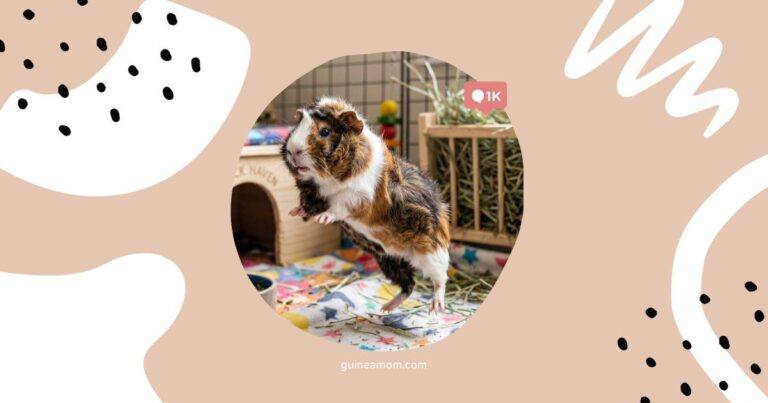
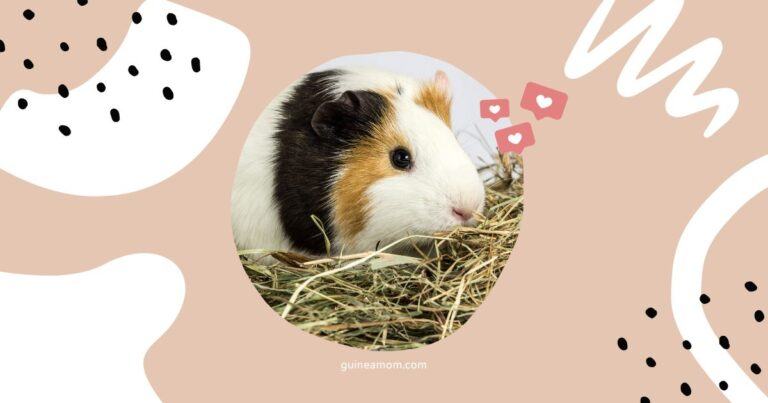
The clear answer is no — guinea pigs don’t have a tail you can see. Run your hand down a guinea pig’s back and it simply ends in a rounded rump, with no tail trailing behind like a rat or mouse. This is one of the features that sets cavies apart from other rodents.
It’s an understandable thing to wonder about, since so many rodents have long, obvious tails. But guinea pigs are built differently, and a tailless rear is completely normal and healthy for them.
But They Do Have Tailbones
Here’s the fascinating part: guinea pigs are tailless on the outside, but they do have tailbones inside. Their skeleton includes around seven small tail vertebrae — known as coccygeal vertebrae — neatly tucked and fused beneath the pelvis.
This is very similar to humans: we don’t have visible tails either, but we all have a tailbone (coccyx) at the base of our spine — a small set of fused vertebrae you can feel if you go looking. Guinea pig tailbones work the same way: hidden under the skin and fur, invisible from outside, but present in the skeleton.
These little bones aren’t useless, either. They help support the pelvic floor muscles, contribute to spinal flexibility and stability, and serve as attachment points for muscles and ligaments — so they play a quiet but genuine role in your pig’s posture and movement.
Why Don’t Guinea Pigs Have Tails?
Guinea pigs evolved to lose their external tails, and there are good evolutionary reasons why a tail simply wasn’t worth keeping:
- Fewer predators to grab. A tail is one more thing a predator can catch hold of. For a small prey animal, not having a tail means one less handle for a hunter — a genuine survival advantage.
- Better for creeping through vegetation. A tailless body slips through undergrowth more easily and unnoticed.
- They didn’t need one. Tails help many animals with balance, climbing, and communication — but guinea pigs are ground-dwellers who don’t climb or jump much, and they communicate vocally (wheeks, purrs, rumbles) and through body language rather than with a tail. So a tail offered them no real benefit.
Interestingly, this goes back a very long way: guinea pigs’ ancient ancestors were already tailless, with even their closest wild relative (the montane guinea pig, dating back around 9000 BC) lacking a tail. So being tailless isn’t a recent quirk — it’s deep in their evolutionary history.
What About a “Tail” I Think I Can See or Feel?
A few things can create the impression of a tail — none of them an actual tail:
- A hair “tail.” Some long-haired, rough-coated breeds — especially Peruvians with their long flowing hair, or Texels — can have hair sticking up or trailing at the rear that looks like a tail (some say it resembles a horse’s tail). It’s just fur, not a tail.
- A cowlick. A tuft of hair sticking out can give the appearance of a little tail.
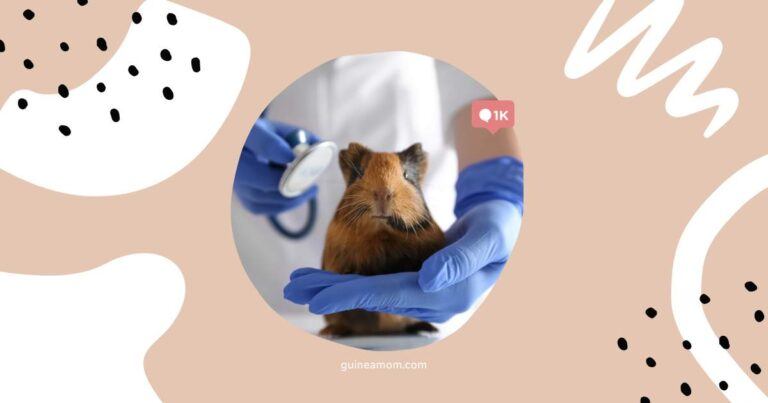
- A protruding tailbone. Occasionally, especially in young or underweight pigs, you might feel (or slightly see) the end of the tailbone near the rump. Having a few slightly prominent tail vertebrae is usually normal and rarely causes problems — but if a bone protrudes noticeably, the pig seems underweight, or the area is painful, it’s worth a vet check to be safe.
One important care note: because those hidden tailbones connect to the spine, you should never pull or play with your guinea pig’s rear/”tail” area — tugging there could injure their spine. Treat the rump gently.
A Grooming Tip
The tailbone area is worth including in your regular grooming and health checks. Gently brushing and inspecting around the rump lets you spot mites, ticks, skin problems, or (in warm weather) flystrike early — and for boars, it’s also where the grease gland sits, which may need occasional cleaning. So while there’s no tail to groom, the tailless rear still deserves a regular once-over.
Key Takeaways
- Guinea pigs do not have visible tails — unlike most rodents, cavies are tailless on the outside.
- But they do have tailbones — around seven small coccygeal vertebrae, fused and tucked near the pelvis, hidden under skin and fur.
- It’s just like humans — we have no visible tail either, but we all have a tailbone (coccyx).
- The tailbones aren’t useless — they support the pelvic muscles, aid spinal flexibility, and anchor muscles and ligaments.
- They evolved to lose their tails because it gave predators less to grab, helped them move through vegetation, and they simply didn’t need one (they’re ground-dwellers who communicate vocally).
- A “tail” you see is usually just hair — common in long-haired breeds like Peruvians — or, rarely, a slightly protruding tailbone in young/underweight pigs (vet check if concerned).
- Never pull the rear/”tail” area — it connects to the spine and could cause injury; handle the rump gently.
- Include the tailbone area in grooming checks for mites, skin issues, flystrike, and (in boars) the grease gland.
This article is intended as general educational information for guinea pig owners and is not a substitute for professional veterinary advice. If you notice a noticeably protruding tailbone, pain, or skin problems around your guinea pig’s rear, consult a qualified veterinarian experienced with guinea pigs.