Can Guinea Pigs Eat Toilet Paper Rolls?
They can chew them — and love to! — but they shouldn’t actually eat them. Here’s the safe way to use them.
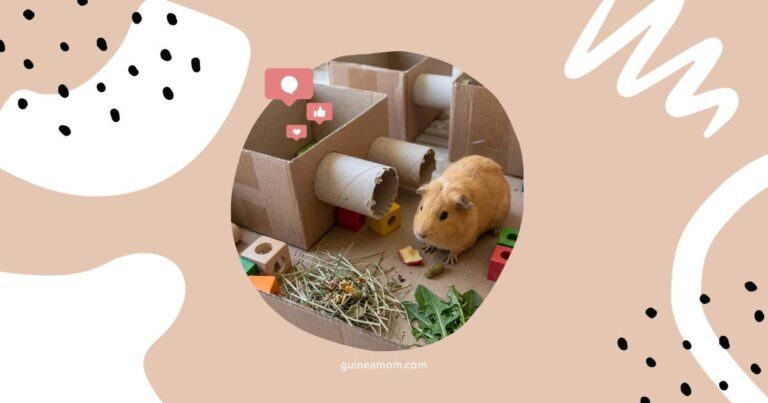
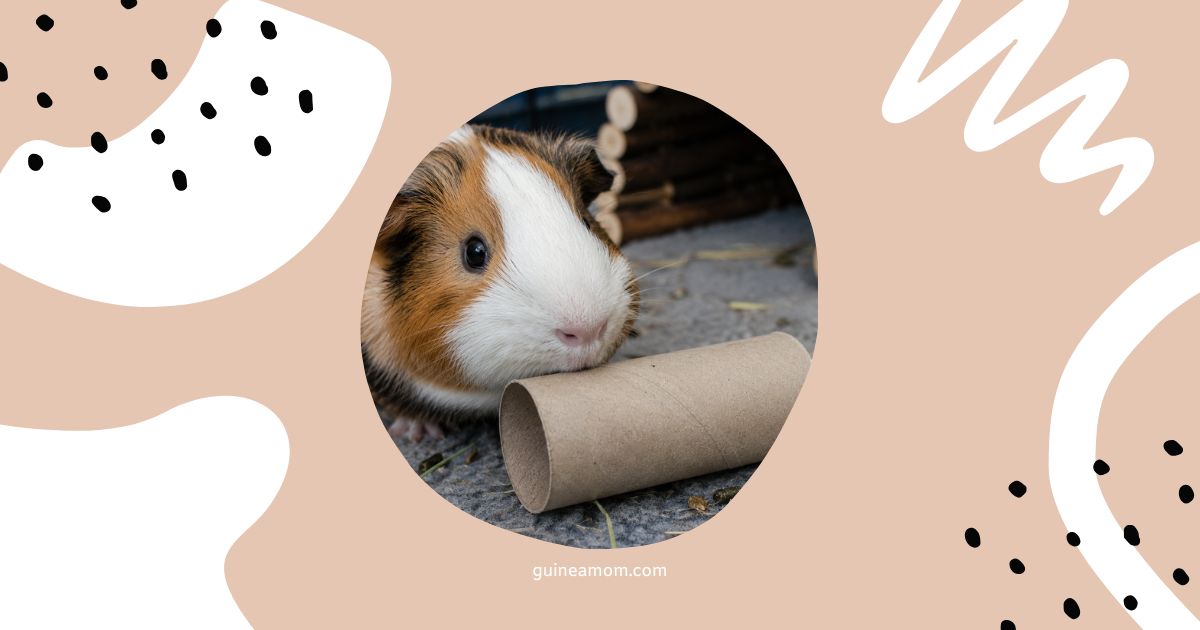
Guinea pigs can safely chew on plain cardboard toilet paper rolls — and most of them adore it. Chewing cardboard is great for wearing down their continuously-growing teeth, and a roll makes a brilliant free toy. But “chew” and “eat” are different things: they shouldn’t actually eat and swallow large amounts of cardboard, as it can cause digestive blockages. A little nibbling that gets swallowed is usually harmless, but a pig that’s genuinely eating the roll should have it taken away. Two safety tips make all the difference: cut the tube open lengthways so your pig can’t get their head stuck, and make sure it’s plain (no glue, tape, or glossy print). Best of all, stuff it with hay to turn it into an irresistible, enriching treat-toy. Here’s the full guide.
Chewing Is Great — Eating Is Not
This is the key distinction. Guinea pigs are herbivores with continuously-growing teeth, so they have a natural, healthy urge to chew — and plain cardboard is a perfectly good thing for them to gnaw on. It helps keep their teeth worn down and gives them something fun to do. So a toilet paper roll as a chew toy is genuinely good enrichment.
The problem is only when a pig eats and swallows cardboard in quantity. Their digestive systems can handle small amounts of plant-based cardboard passing through, but large amounts can cause intestinal blockages or tummy upset. Most guinea pigs, happily, just shred the roll into a pile without eating much — but some curious pigs do swallow it, and those pigs need watching.
The rule: let them chew and shred, but if you see your pig actually eating and swallowing the cardboard, take it away.
Two Important Safety Tips
Before giving your pig a toilet paper roll, do these two things:
1. Cut the tube open lengthways. A guinea pig can try to poke their head through the tube and get stuck, which is dangerous if you’re not there to help. Slicing the roll open along its length (so it’s no longer a complete ring) removes this risk entirely. This is especially important for smaller pigs.
2. Make sure it’s plain and clean. Use only bare cardboard tubes with:
- No glue or tape residue
- No glossy coating, heavy ink, or dye (plain brown/white cardboard is best)
- No leftover paper stuck to it
A quick note on this: the companies that make toilet paper generally don’t manufacture the rolls to be food-safe (the glue and conditions aren’t food-grade), so while a plain roll is fine for chewing and shredding, this is another reason not to let your pig genuinely eat it.
Turn It Into the Perfect Free Toy
Here’s how to make a toilet paper roll into an enriching treat-toy your pigs will love:
- Stuff it with hay — pack the tube with fresh hay so your pig has to pull and forage it out. This is a fantastic, natural foraging activity (and encourages hay-eating, which is great for them).
- Hide a treat inside — tuck a small piece of safe veg or herbs into the hay-stuffed tube.
- Fold the ends over to make them work a little harder to get the goodies.
- Scatter a few around the cage for instant enrichment.
Filling the tube with hay has a bonus benefit: it distracts pigs from chewing the cardboard itself, so they forage the hay instead of eating the roll.
Why Guinea Pigs Might Over-Chew Cardboard
If your pig is eating a lot of cardboard (rather than just shredding it), it can sometimes signal:
- Boredom — not enough enrichment or stimulation; they need toys, space, and floor time.
- Insufficient hay/fiber — make sure unlimited hay is always available.
- A diet lacking something — animals sometimes chew odd things when their diet is off.
- Wanting attention.
So heavy cardboard-eating is worth taking as a gentle hint to review their enrichment, hay supply, and diet.
Safer Chew Alternatives
If you’d rather not use toilet paper rolls (or want to add variety), these are great for teeth and chewing:
- Purpose-made cardboard tubes (“Chubes”) sold for small pets — food-grade cardboard.
- Untreated apple or willow sticks/branches (guinea-pig-safe woods).
- Wooden chew blocks made for small animals.
- Plain cardboard boxes (glue/tape/label removed) as hideys they can also gnaw.
- Grass mats and hay-based chews.
When to Call a Vet
Cardboard rarely causes serious problems, but contact your vet if, after eating a significant amount, your guinea pig shows signs of a blockage or digestive trouble: loss of appetite, few or no droppings, a bloated or hard belly, lethargy, or signs of pain. A guinea pig that has stopped eating is always an emergency.
Key Takeaways
- Guinea pigs can safely chew plain cardboard toilet paper rolls — it’s great for their continuously-growing teeth and makes a fun free toy.
- But they shouldn’t actually eat/swallow much cardboard — large amounts can cause intestinal blockages, so take it away if your pig is genuinely eating (not just shredding) it.
- Cut the tube open lengthways so your pig can’t get their head stuck.
- Use only plain tubes — no glue, tape, glossy coating, heavy ink, or leftover paper.
- Stuff it with hay (and hide a treat) to make an enriching forage toy — which also stops them eating the cardboard itself.
- Heavy cardboard-eating can signal boredom, too little hay, or a diet issue — review their enrichment and diet.
- Great alternatives include purpose-made Chubes, untreated apple/willow sticks, and wooden chew blocks.
- See a vet if your pig eats a lot and shows signs of a blockage (not eating, no droppings, bloated belly).
This article is intended as general educational information for guinea pig owners and is not a substitute for professional veterinary advice. If your guinea pig shows signs of a digestive blockage, consult a qualified veterinarian experienced with guinea pigs promptly.