Guinea Pig Sounds
Decode your piggy’s wheeks, purrs, chutts, and rumbles — and know which sounds mean “see a vet.”
Guinea pigs are one of the most vocal small pets, and their sounds are a real language. The main noises are wheeking (an excited, high-pitched whistle usually meaning “I want food!”), chutting (a soft, happy “chut-chut” of contentment), purring (a low rumble that can mean relaxed or uneasy, depending on context), rumbling (dominance or courtship), teeth chattering (a “back off!” warning), shrieking (fear or pain), and the rare, bird-like chirping. The happy noises are wheeking, chutting, and a soft relaxed purr. Some sounds are warnings, and — importantly — clicking, wheezing, or honking while breathing is not communication at all; it’s a sign of illness that needs a vet. Always read sounds alongside your pig’s body language for the full picture. Here’s the complete guide.
What Noises Do Guinea Pigs Make?
Guinea pigs are famously chatty — in fact, some people think the “pig” in their name comes from all the squealing and grunting they do. They use a whole repertoire of sounds to communicate with each other and with you, ranging from excited whistles to soft, content clucks to sharp warnings.
The main sounds you’ll hear are wheeking, chutting, purring, rumbling, teeth chattering, shrieking (or squealing), and chirping, plus a few rarer ones like cooing and whining. Here’s a lovely fact: wheeking has never been recorded in wild guinea pigs, which suggests our pet pigs actually developed it specifically to communicate with humans — most often to say “where’s my food?!” So when your piggy wheeks at you, they’re speaking a language they invented just for us. Below, we decode each sound and what it means.
Guinea Pig Sounds and What They Mean
Here’s your full sound-by-sound decoder — but remember, context and body language matter, so treat these as strong guides rather than absolute rules.
Wheeking
A loud, high-pitched whistle or squeal, often rising in pitch. This is the classic guinea pig sound, and it usually means excitement and anticipation — most often about food. Many pigs learn to wheek the moment they hear the fridge open or a bag rustle. It’s a happy, demanding “hurry up!” noise, and it’s usually aimed right at you. (Not all pigs wheek, though — some are quiet, and that’s perfectly normal.)
Chutting
A soft, rhythmic “chut-chut” clucking sound, a bit like a gentle frog croak or a mother hen. This is a lovely one to hear: it means contentment and happiness. Guinea pigs chut when they’re relaxed, exploring, or enjoying themselves — a chutting pig is a pig who’s loving life.
Purring
A low, rumbling, grumbly sound — but don’t picture a cat’s purr; a guinea pig’s is deeper and more of a vibrating rumble. Purring is context-dependent: a low, relaxed purr (often when being gently petted) usually means contentment, while a higher-pitched, shorter, stiffer purr can signal annoyance or unease. Body language tells you which. (There’s even some disagreement among experts about exactly what “purring” means in guinea pigs, so read it in context.)
Rumbling (and Rumble-Strutting)
A deep, vibrating rumble, lower than a purr, usually linked to dominance and courtship. Males often rumble while doing a hip-swaying “rumble-strut” to woo a female or assert status, and females may rumble when they’re in season. It’s a normal, natural social sound. A non-dominant pig may also give a low rumble while walking away from a pushier pig — a way of saying “I don’t want any trouble.”
Teeth Chattering
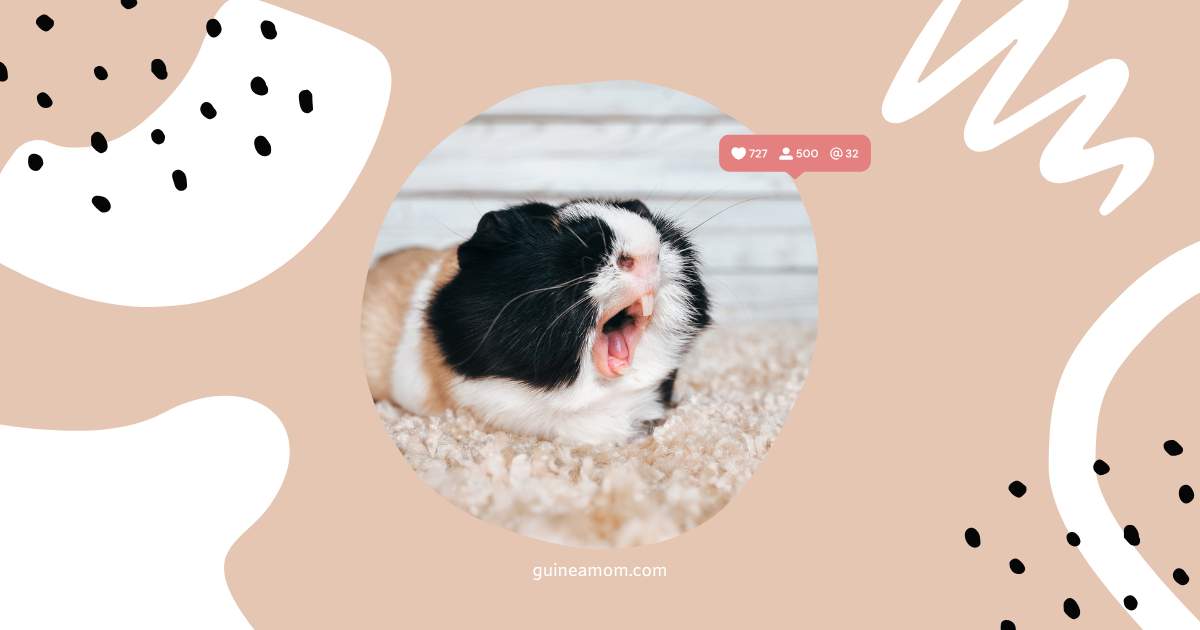
A rapid clicking or clacking of the teeth — and this one’s a clear warning. It means “back off!” — the pig is annoyed, angry, feeling threatened, or asserting dominance. If two pigs chatter their teeth at each other, tensions are rising and they may need space. Take it as a genuine sign of irritation.
Shrieking, Squealing, or Screaming
A very loud, sharp, high-pitched sound, often in rapid succession. Unlike the excited wheek, this is an alarm: it signals fear, pain, or distress. If you hear it, check on your pig right away to make sure they’re okay and safe. This sound should never be ignored.
Chirping
A rare, mysterious, bird-like song — genuinely like a bird tweeting. It’s one of the least-understood guinea pig sounds, and many owners never hear it (or hear it only a handful of times). It’s generally thought to signal low-level stress, anxiety, or alarm, so if your pig chirps, keep an eye on them to make sure all is well.
Other Sounds
- Cooing — a gentle, reassuring sound, often made by a mother to her pups.
- Whining or moaning — a sound of mild annoyance, like telling a cage mate to leave them alone.
- Growling or grunting — signs of feeling threatened; grunts can signal a brewing squabble.
- Hissing — displeasure or aggression.
What Are Happy Noises for Guinea Pigs?
Good news — many guinea pig sounds are happy ones! The noises that signal a content, joyful pig are:
- Wheeking — excitement and anticipation (usually delighted about food or your arrival).
- Chutting — the soft, clucking sound of a relaxed, happy, “loving life” pig.
- A soft, low purr — contentment, especially when being gently petted.
- Cooing and soft bubbling sounds — quiet noises of comfort and calm.
You’ll often hear these alongside happy body language like popcorning (joyful little leaps into the air), relaxed stretching out, and calm exploring. Want to encourage more happy sounds? Offer treats during gentle interaction, use a soft calm voice, and build trust over time — a secure, well-cared-for pig is a chatty, happy one. Responding to your pig’s happy noises (like appearing with veggies when they wheek) also strengthens your bond.
Sounds That Mean “See a Vet”
This is the most important part of understanding guinea pig sounds — because a few noises aren’t communication at all, but signs of illness. If your guinea pig makes clicking, crackling, wheezing, honking, or “hooting” sounds while breathing, that is not normal and needs urgent attention from an exotics vet. These breathing sounds can indicate respiratory infections or other serious problems, and because guinea pigs instinctively hide illness, they’re an important warning you shouldn’t ignore.
Similarly, take shrieking (pain/fear) seriously and check your pig, and be aware that teeth grinding (different from the gentle teeth-rubbing of a relaxed pig) can be a sign of pain. When in doubt about any sound that seems distressed or breathing-related, contact a vet promptly.
Read Sounds Together With Body Language
Here’s the key skill that ties it all together: the same sound can mean different things depending on context, so always read your pig’s noises alongside their body language. A purr with a relaxed, sprawled-out body means something very different from a stiff purr with a tense, frozen posture.
Watch for cues like popcorning (pure joy), a relaxed, stretched-out “pancake” pose (comfort), freezing (alarm), raised or puffed fur (agitation), and head tossing (annoyance). Combined with the sounds above, body language gives you the full, accurate picture of what your guinea pig is feeling.
Key Takeaways
- Guinea pigs are very vocal, using sounds like wheeking, chutting, purring, rumbling, teeth chattering, shrieking, and chirping to communicate.
- Wheeking (excited whistle, usually about food) is their signature sound — and fascinatingly, it seems to be a noise they developed just to “talk” to humans.
- Happy noises are wheeking, chutting, and a soft relaxed purr, often paired with popcorning and relaxed body language.
- Warning sounds include teeth chattering (“back off”), shrieking (fear/pain), and chirping (possible stress).
- Purring is context-dependent — a low relaxed purr is happy; a stiff, high-pitched one signals unease.
- Breathing sounds — clicking, wheezing, honking — mean “see a vet,” as they can signal respiratory illness.
- Always read sounds with body language, since context changes meaning.
This article is intended as general educational information for guinea pig owners and is not a substitute for professional veterinary advice. If your guinea pig makes abnormal breathing sounds, sounds of pain, or shows any signs of illness, please consult a qualified veterinarian experienced with guinea pigs promptly.