Guinea Pig Happy Sounds
The delightful noises that mean your piggy is content, excited, and loving life.
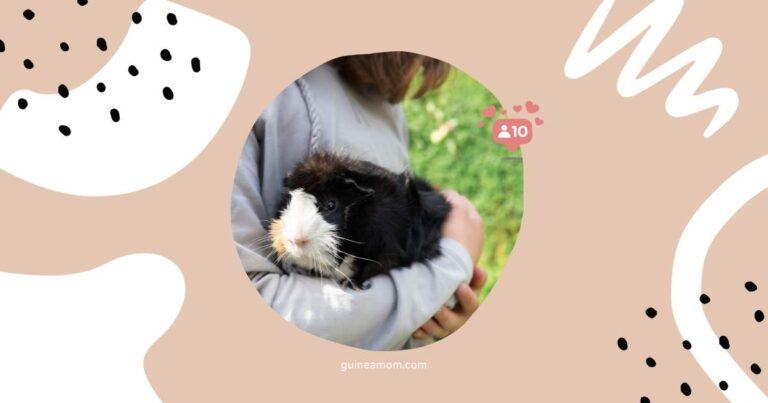
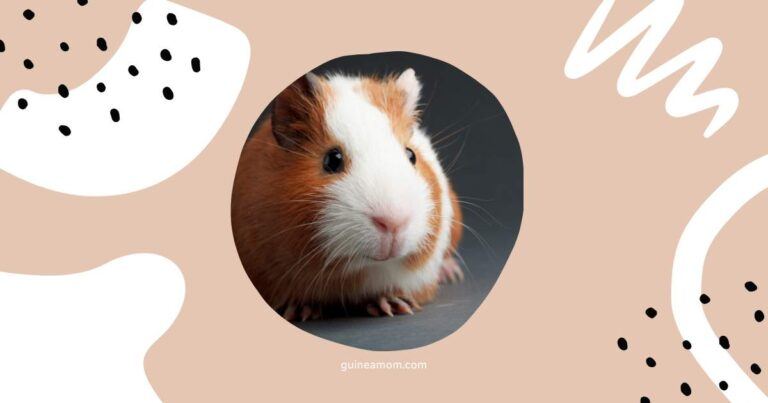
Guinea pigs are wonderfully vocal, and some of their most common sounds are happy ones. The main happy noises are wheeking (an excited, high-pitched whistle, usually meaning “yay, food!” or “you’re here!”), chutting (a soft, rhythmic “chut-chut” of pure contentment), a soft, low purr (relaxed happiness, often when being gently petted), and quiet bubbling or cooing sounds of calm and comfort. These happy sounds often come alongside joyful body language like popcorning (little leaps into the air) and a relaxed, stretched-out posture. Recognizing them lets you know your pig is content — and you can encourage more of them with treats, gentle interaction, a secure environment, and a loving bond. Here’s your guide to the happiest sounds a guinea pig can make.
Why Happy Sounds Matter
Guinea pigs are naturally chatty little animals, and learning their happy sounds is one of the joys of keeping them. When you can recognize a content wheek or a happy chutt, you get a real window into your pig’s emotional world — you’ll know when they’re feeling safe, excited, and content.
Recognizing these sounds also deepens your bond. When you respond to your pig’s happy noises — like appearing with veggies when they wheek — you reinforce their trust and strengthen your relationship. So happy sounds aren’t just lovely to hear; they’re a two-way conversation that brings you and your pig closer. Let’s meet the main ones.
The Happy Sounds
Wheeking
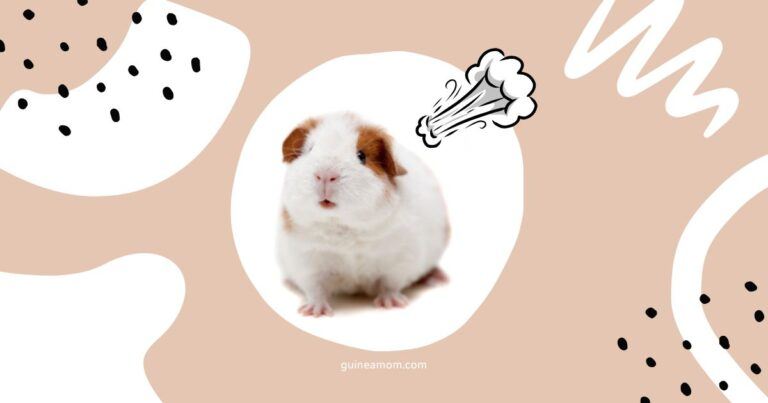
The classic guinea pig sound — a loud, high-pitched whistle, often rising in pitch. Wheeking is a sound of excitement and anticipation, most often about food. Many pigs learn to wheek the moment they hear the fridge open, a bag rustle, or your footsteps approaching. It’s your pig’s enthusiastic “hurry up, I’m excited!” — usually aimed right at you. A wheeking pig is a happy, eager pig. (Here’s a lovely fact: wheeking has never been recorded in wild guinea pigs, so it seems our pets developed it specifically to “talk” to us!)
Chutting
A soft, rhythmic “chut-chut” clucking sound, a bit like a gentle mother hen or a quiet frog croak. This is one of the sweetest sounds to hear, because it means contentment and happiness. Guinea pigs chutt when they’re relaxed, curiously exploring, or simply enjoying the moment — with you or with their cage mates. A chutting pig is, quite simply, loving life.
Purring (the Happy Kind)
A low, gentle, rumbling purr — though it’s deeper and more of a vibration than a cat’s purr. A soft, relaxed purr usually signals contentment, and you’ll often hear it when your pig is being gently petted or feeling calm and comfortable. (One quick note: purring is context-dependent — a low, relaxed purr means happiness, while a higher-pitched, stiff, short purr can mean annoyance. Read it alongside your pig’s body language.)
Bubbling and Cooing
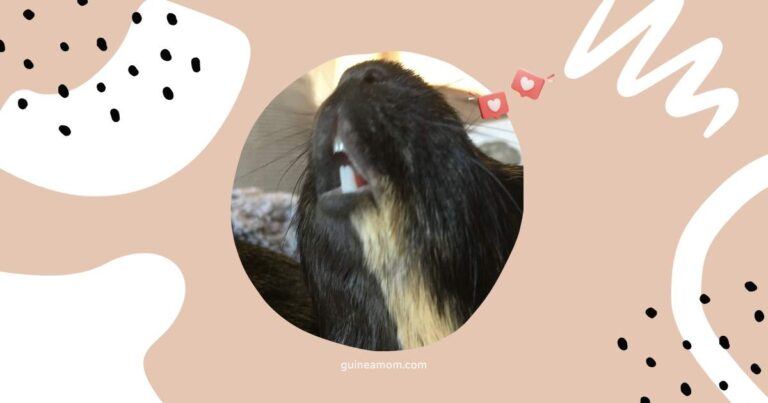
Among the quieter happy sounds are bubbling and cooing — soft, gentle noises of calm and comfort. They can be hard to hear, but they signal a relaxed, content pig. Cooing is also a tender sound a mother makes to reassure her pups. These are the soft, cozy sounds of a guinea pig feeling safe and settled.
A Note on Happy Squealing
Squealing is usually a distress sound (fear or pain), but occasionally a guinea pig will squeal out of extreme happiness or excitement — for example, when given a favorite food or reunited with a beloved companion. Because squealing more often signals distress, always read it in context: a squeal paired with excited, bouncy behavior around food or a friend is likely happy, while a sharp squeal paired with a frightened, frozen posture is not.
Happy Body Language That Goes With Happy Sounds
Happy sounds rarely come alone — they usually pair with joyful body language, and reading both together confirms your pig’s contentment. Watch for:
- Popcorning — sudden little leaps into the air, sometimes with a twist or kick. It’s pure joy, most common in young pigs but seen at any age, and often the surest sign of a happy guinea pig.
- A relaxed, stretched-out “pancake” pose — lying flopped out and loose, a picture of comfort and security.
- Calm, curious exploring and confidently approaching you.
A wheeking, popcorning pig or a chutting, sprawled-out pig is about as happy as a guinea pig gets.
How to Encourage More Happy Sounds
Want to hear more of these delightful noises? A happy, secure pig is a happily vocal one, so focus on their wellbeing:
- Offer treats during gentle interaction — a slice of bell pepper or sprig of herbs creates positive, wheek-worthy moments.
- Use a calm, soft voice and gentle, patient handling to build trust.
- Meet their needs — a good diet, a clean and spacious home, and a reliable routine keep your pig content.
- Provide companionship — guinea pigs are social herd animals, and a compatible friend brings out happy, chatty behavior.
- Create a secure environment with hidey-houses and a calm location, so your pig feels safe enough to relax and vocalize happily.
- Respond to their happy sounds — showing up with dinner when they wheek reinforces the joy and strengthens your bond.
In short, a well-cared-for, loved, and secure guinea pig is a pig who’ll fill your home with happy sounds.
A Note on Reading Context
As with all guinea pig communication, context and body language matter. The same sound can mean different things — a purr can be content or annoyed, and a squeal can (rarely) be happy but is usually distress. So always read a sound together with what your pig is doing and what’s happening around them. With a little practice, you’ll quickly learn to tell your pig’s happy sounds from their unhappy ones — and enjoy every content wheek and chutt.
Key Takeaways
- Guinea pigs make lovely happy sounds — recognizing them tells you your pig is content and strengthens your bond.
- Wheeking is the excited whistle of anticipation (usually about food or your arrival) — and seemingly a sound they invented just for humans.
- Chutting is the soft “chut-chut” of a relaxed, happy, “loving life” pig.
- A soft, low purr signals contentment, especially when your pig is being petted.
- Bubbling and cooing are quiet sounds of calm and comfort.
- Squealing is usually distress, but occasionally signals extreme happiness — read it in context.
- Happy sounds pair with happy body language like popcorning and a relaxed, stretched-out pose.
- Encourage happy sounds with treats, gentle interaction, companionship, a secure environment, and a loving bond — and always read sounds in context.
This article is intended as general educational information for guinea pig owners. Guinea pig sounds are best understood alongside body language and context; if your guinea pig seems distressed or unwell, consult a qualified veterinarian experienced with guinea pigs.