
What Is The 3-3-3 Rule For Guinea Pigs?
A simple guide to how long a new guinea pig takes to settle in — and how to help them feel at home.
The 3-3-3 rule is a handy guideline for what to expect when you bring a new guinea pig home. It breaks the settling-in process into three stages: 3 days to decompress (your pig is nervous, hides a lot, and needs quiet and space), 3 weeks to settle in (they learn the routine, grow more confident, and start showing their personality), and 3 months to feel fully at home (they trust you, feel secure, and their true character shines through). It’s borrowed from shelter-pet adoption and adapted for guinea pigs, and it’s especially useful for these shy prey animals — it reminds you to be patient and sets realistic expectations, so you don’t worry when a new pig is timid at first. Remember, though: it’s a rough rule of thumb, and every guinea pig settles at their own pace.
Where the 3-3-3 Rule Comes From
The 3-3-3 rule started as a guideline for adopting shelter dogs and cats, helping new owners understand the stages a rescued pet goes through as it adjusts to a new home. Because the framework is so useful for setting expectations, many guinea pig rescues and owners now apply it to newly adopted or newly homed guinea pigs too.
And it fits guinea pigs particularly well. As prey animals, guinea pigs are naturally cautious and easily frightened — everything about a new home (new sights, smells, sounds, and people) is initially overwhelming to them. So the idea that trust and comfort build gradually, over days, weeks, and months, matches exactly how a guinea pig actually settles in. Let’s look at each stage.
The First 3 Days: Decompression
The first few days are all about letting your new guinea pig decompress. Everything is unfamiliar and a little scary, so it’s completely normal for a new pig to:
- Hide for long stretches
- Freeze or dart away when you approach
- Eat and drink less than usual (or only when no one’s watching)
- Seem shy, nervous, or unsettled
What to do: keep things calm and low-key. Set up a comfortable home with plenty of hay, fresh water, food, and a cozy hidey-house to retreat to, and place it somewhere quiet. Resist the urge to handle your pig much — this is a settling-in period, not a bonding one. Talk softly so they get used to your voice, but otherwise let them adjust at their own pace. Giving them space now actually speeds up trust later.
(One thing to keep an eye on: while reduced appetite is normal in the first day or two, a guinea pig that isn’t eating at all needs a vet, since going without food is dangerous for them.)
The First 3 Weeks: Settling In
Over the next few weeks, you’ll start to see your guinea pig relax and settle in. As they learn that their new home is safe and predictable, they typically:
- Come out of hiding more often
- Start eating normally and confidently
- Grow curious and begin exploring
- Show more of their individual personality
What to do: this is when you can gently begin building trust. Establish a consistent daily routine (feeding at similar times helps a lot), and start hand-feeding treats and talking to your pig regularly, letting them approach you rather than grabbing for them. Keep interactions calm and positive. You’re laying the foundation of your bond now, so patience and consistency are key.
The First 3 Months: Feeling at Home
By around three months, most guinea pigs feel truly at home. At this stage, a well-settled pig usually:
- Trusts you and feels secure in their environment
- Shows their full personality and quirks
- Greets you (often with happy wheeks!) and enjoys interaction
- Has settled comfortably into their routine
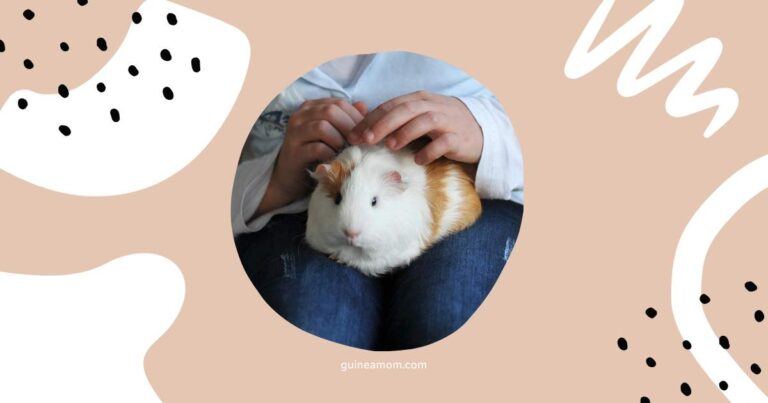
What to do: keep nurturing the bond you’ve built with gentle, regular, positive interaction. By now, handling and lap time should feel much more relaxed for both of you, and you’ll really start to enjoy your pig’s character. This is the rewarding stage where a once-timid newcomer becomes a confident, chatty, contented companion.
Why the 3-3-3 Rule Matters for Guinea Pigs
The real value of the 3-3-3 rule is that it sets realistic expectations and encourages patience — two things that make a huge difference for a nervous prey animal.
Many new owners worry when their guinea pig hides constantly, seems scared, or won’t be held in the first days. The 3-3-3 rule reassures you that this is completely normal, not a sign that your pig dislikes you or that something’s wrong. Understanding the stages helps you resist rushing the process (which only frightens a pig and slows things down) and instead give your pig the time and gentleness they need. The result is a calmer settling-in for your pig and a stronger bond in the long run.
Remember: It’s a Guideline, Not a Rulebook
Finally, treat the 3-3-3 rule as a rough guide rather than a strict timeline. Every guinea pig is an individual: some bold, confident pigs settle in and trust you within days, while shy or previously-stressed pigs may take longer than three months to fully relax. Neither is wrong — it’s just personality and history.
It’s also worth noting that the 3-3-3 rule is about one guinea pig settling into a new home with you. Bonding two guinea pigs with each other is a separate process with its own timeline and steps. For settling a new pig into your home, though, the 3-3-3 rule is a lovely, reassuring framework — follow your pig’s individual pace, keep things gentle and patient, and trust that comfort and confidence will come.
Key Takeaways
- The 3-3-3 rule describes how a new guinea pig settles in: 3 days to decompress, 3 weeks to settle in, 3 months to feel fully at home.
- It’s borrowed from shelter-pet adoption and fits guinea pigs well because they’re cautious prey animals who build trust gradually.
- The first 3 days are for decompressing — expect hiding and shyness; keep things calm, provide the essentials, and handle minimally.
- The first 3 weeks are for settling in — your pig grows more confident and curious, and you can gently start building trust with routine and treats.
- The first 3 months are for feeling at home — a settled pig trusts you, shows their personality, and enjoys interaction.
- It sets realistic expectations and encourages patience, reassuring you that early shyness is completely normal.
- It’s a guideline, not a strict rule — every pig settles at their own pace, and settling into a home is separate from bonding two pigs together.
This article is intended as general educational information for guinea pig owners. Every guinea pig adjusts differently; if a new guinea pig isn’t eating, seems unwell, or is extremely distressed, please consult a qualified veterinarian experienced with guinea pigs.