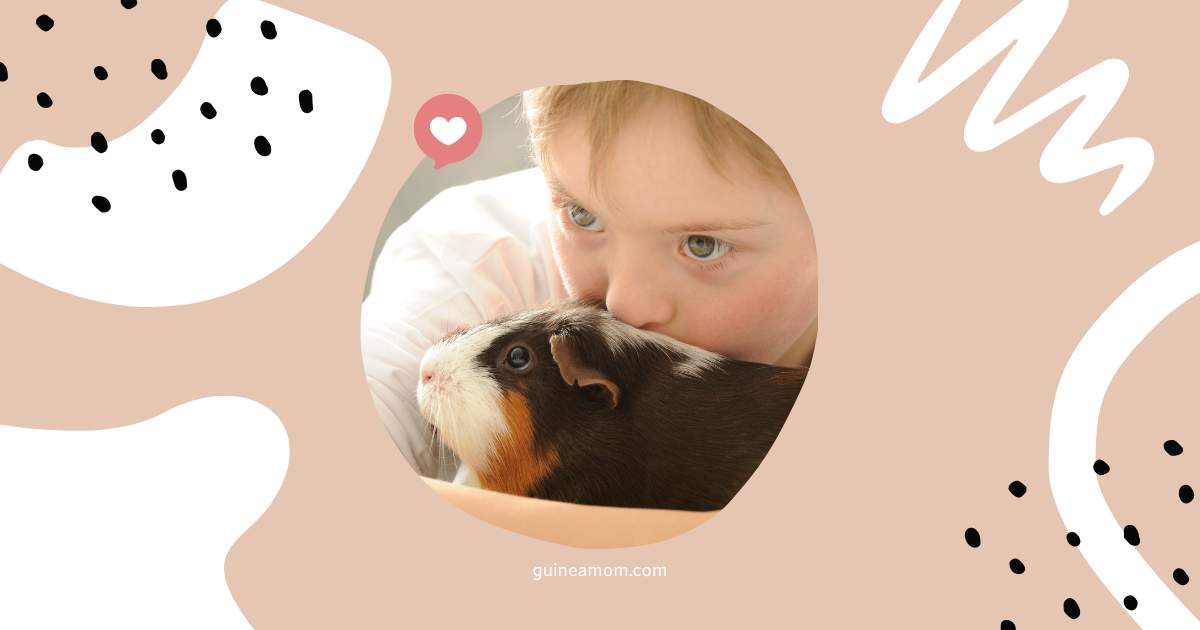
Guinea Pigs And Children
Building a happy, safe relationship between kids and their guinea pigs — for the child and the pig.
When guinea pigs and children come together, a good relationship is built on two things: keeping the guinea pig safe (gentle, supervised, calm handling) and keeping the child safe and healthy (good hygiene like handwashing, awareness of allergies, and adult supervision). Done well, the bond between a child and a guinea pig can be genuinely wonderful — teaching empathy, responsibility, and gentleness, and giving a child a calm, characterful companion. But it works only with a committed adult overseeing things, because guinea pigs are fragile, easily frightened prey animals, not hands-off toys. This article focuses on the relationship itself: the benefits for children, how to keep both child and pig safe, and how to nurture a positive bond between them.
It’s a Two-Way Relationship
Most guidance about guinea pigs and children focuses on one side or the other — either the pet’s needs or the child’s wishes. But a happy relationship depends on both: the guinea pig needs to feel safe and be handled kindly, and the child needs to be safe, healthy, and taught how to interact well.
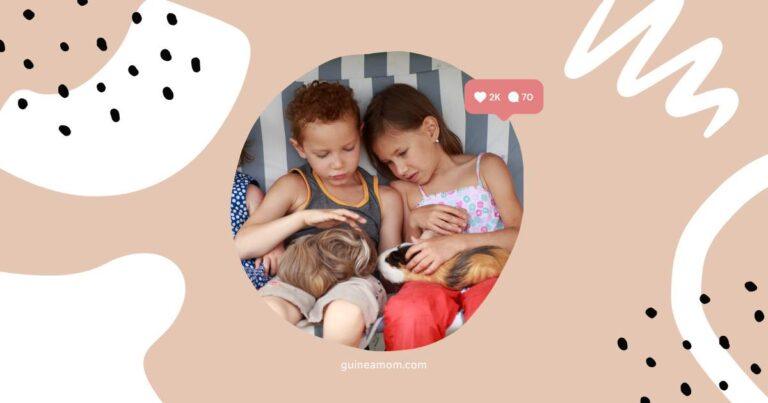
When those two things are in balance — a gentle, well-supervised child and a calm, well-cared-for pig — something lovely happens. The child learns compassion and the pig learns to trust, and a real bond grows. The rest of this article looks at both sides of that relationship in turn.
The Benefits for Children
Let’s start with what children gain, because it’s genuinely meaningful. With the right setup and supervision, a guinea pig can offer a child:
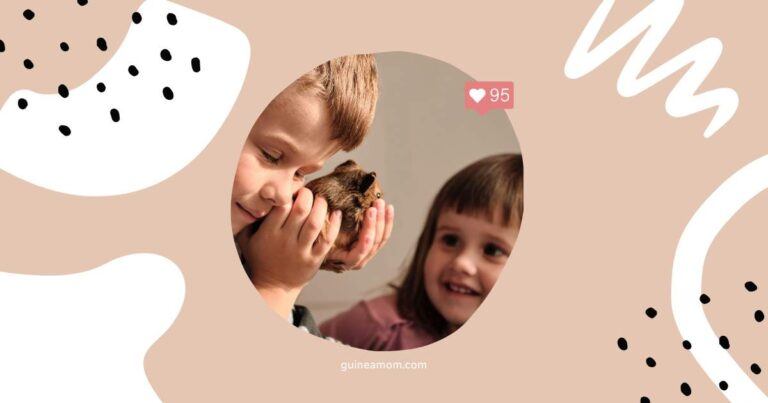
- Lessons in empathy. Caring for a small, gentle creature teaches children to consider another being’s feelings and needs.
- A sense of responsibility. Helping with feeding, gentle grooming, and cage care (under supervision) builds routine and accountability.
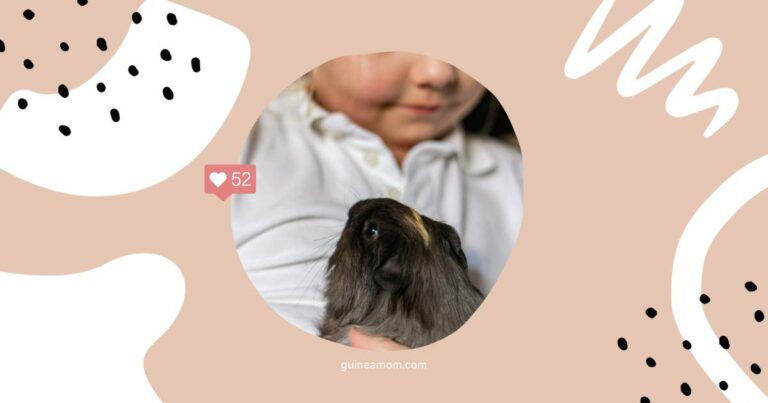
- Companionship and comfort. Many children find real comfort in a calm animal that “talks” with wheeks and purrs and enjoys their company.
- Learning about animals and nature. Observing a guinea pig’s behavior, moods, and body language is a wonderful, hands-on education.
- Gentleness and patience. Because guinea pigs need calm, careful handling, they naturally teach children to slow down and be gentle.
These benefits are real — but they depend entirely on the relationship being built safely, for both the child and the pig.
Keeping the Guinea Pig Safe With Children
Guinea pigs are fragile and easily frightened, so protecting them is the first half of a good relationship. Teach children to:
- Be calm and quiet around the pigs — no shouting, chasing, or sudden movements.
- Handle only while sitting on the floor or a low surface, so a wriggle or leap can’t cause a dangerous fall.
- Always support the whole body gently — never squeeze, grab from above, or pick a pig up roughly.
- Let the pig choose. A guinea pig that wants to retreat should be allowed to; good interaction happens on the pig’s terms.
- Keep sessions short and gentle, especially early on.
Modeling this yourself is the best teaching tool — children learn gentleness by watching the adults around them be gentle.
Keeping Children Safe and Healthy Around Guinea Pigs
The other half of the relationship — often overlooked — is keeping the child safe and healthy. A few sensible habits make all the difference:
- Handwashing. Teach children to wash their hands after handling guinea pigs, their food, or their cage. Like all animals, guinea pigs can occasionally carry germs, and good hand hygiene is the simple, effective safeguard.
- Supervised handling. Beyond protecting the pig, supervision protects the child — a startled pig might scratch or, very rarely, nip, and an adult nearby keeps interactions calm and safe.
- Allergy awareness. Some children are allergic to guinea pigs, their hay, or bedding. If a child develops sneezing, itchy eyes, or a rash around the pigs, it’s worth speaking to a doctor.
- Gentle, bite-free interaction. Guinea pigs rarely bite and aren’t aggressive, but rough or frightening handling makes any animal more likely to react — another reason calm, gentle interaction matters.
None of this is cause for alarm — guinea pigs are gentle, low-risk pets — but these simple habits keep the relationship healthy on the child’s side too. For any specific health or allergy concerns, a doctor or vet is the right person to ask.
Nurturing a Happy Bond
With safety covered both ways, you can focus on the fun part: helping a real friendship grow between child and pig. The recipe is patience and positive, gentle interaction.
Encourage children to spend calm time near the pigs — talking softly, hand-feeding healthy treats like a slice of bell pepper, and letting the pig approach rather than grabbing for it. Floor time, where a child sits quietly and lets a pig explore around them, is often where the magic happens, since pigs are braver and more playful at ground level. Over time, the pig learns the child is a source of good, gentle things, and the child learns to read and respond to the pig’s cues. That mutual trust — built slowly and kindly — is the heart of a happy guinea-pig-and-child relationship.
The Adult’s Essential Role
Underpinning all of this is one constant: a responsible adult needs to oversee the relationship. Children can be wonderful, involved helpers and companions to a guinea pig, but the adult ensures the pig’s daily care is met, supervises interactions to keep both child and pig safe, and steps in if handling gets too rough or the pig needs a break. With that oversight in place, the child-and-pig bond can flourish safely. Without it, both the pet’s welfare and the child’s experience tend to suffer.
Key Takeaways
- A good relationship protects both the guinea pig (gentle, supervised handling) and the child (hygiene, supervision, allergy awareness).
- Children genuinely benefit — guinea pigs can teach empathy, responsibility, gentleness, and offer real companionship.
- Keep the pig safe by teaching calm, floor-level, fully-supported handling and letting the pig set the pace.
- Keep the child safe and healthy with handwashing after contact, supervised interaction, and awareness of possible allergies.
- Guinea pigs are gentle and rarely bite, but calm handling keeps interactions safe and positive.
- Nurture the bond through patient, gentle, positive interaction — hand-feeding and quiet floor time work beautifully.
- An adult must oversee the relationship to keep both the pig’s welfare and the child’s experience safe and happy.
This article is intended as general educational information for families with guinea pigs and children. For specific health, hygiene, or allergy concerns, consult a doctor; for guinea pig care and health, consult a qualified veterinarian. Guinea pigs are a multi-year commitment requiring companionship and proper care, and adult supervision is essential for interactions between children and pets.