Guinea Pig Vs. Hamster: Which Pet Is Right For You?
A fair, side-by-side comparison to help you choose between these two popular small pets.
Though both are small, popular rodents, guinea pigs and hamsters are surprisingly different pets. Guinea pigs are bigger, live longer (5–7 years vs. 2–3), highly social (they need a companion of their own kind), active during the day, docile and rarely bite, and need daily vitamin C plus more space and care. Hamsters are smaller, cheaper, lower-maintenance, solitary (they live alone), nocturnal (active at night), can be nippier and more fragile to handle, and need less space. Neither is objectively “better” — the right choice depends on your space, budget, schedule, and who the pet is for. Guinea pigs suit families, younger children, and anyone wanting an interactive daytime companion; hamsters suit smaller homes, tighter budgets, night owls, and older children. Here’s the full comparison to help you decide.
Guinea Pig vs. Hamster: The Key Differences
Size
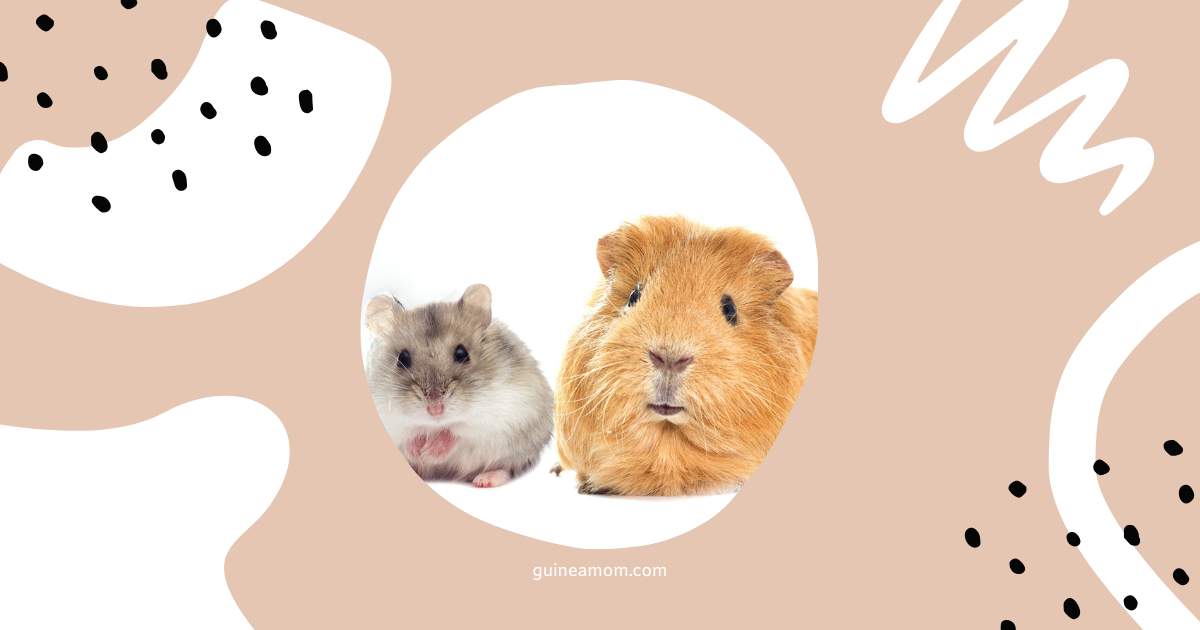
Guinea pigs are much bigger — typically 8–12 inches long and weighing 700–1,200 grams (1–3 lbs). Hamsters are tiny by comparison: Syrian (the largest breed) around 120–200 grams, and dwarf hamsters just 25–45 grams. A guinea pig can be five to ten times the size of a hamster, which affects everything from handling to housing.
Lifespan (and Commitment)
This is a big one for planning. Guinea pigs live around 5 to 7 years (sometimes 8 or more with great care), while hamsters typically live just 2 to 3 years (dwarf hamsters often less). So a guinea pig is a multi-year commitment comparable to a small dog’s, while a hamster is a shorter one — which can be a pro (less long-term responsibility) or a con (you’ll say goodbye sooner), depending on your perspective.
Social Needs — the Biggest Difference
Here guinea pigs and hamsters are polar opposites. Guinea pigs are highly social herd animals who need the company of their own kind — they should be kept in same-sex pairs or groups, and a lone guinea pig is prone to loneliness and stress. Hamsters are the reverse: solitary and territorial, most (especially Syrians) must live alone and will fight — sometimes to the death — if housed together. So with guinea pigs you’re really adopting two or more; with a hamster, one is the rule.
Activity and Sleep: Day vs. Night
Your daily rhythm matters here. Guinea pigs are crepuscular (most active at dawn and dusk) and largely awake during the day, which fits nicely with a typical human schedule and makes them easy to interact with. Hamsters are nocturnal — they sleep during the day and come alive in the evening and night. That means a hamster may be running on its wheel at 2 a.m. and asleep when you (or your kids) want to play, and they’re not ideal for a bedroom or for light sleepers.
Temperament and Handling
Guinea pigs are generally docile, gentle, and rarely bite. Once they trust you, many genuinely enjoy being held, and their larger size makes them a bit more robust to handle (though they’re still prey animals with fragile spines who need gentle, supportive handling). Hamsters tend to be more skittish and temperamental, and are quicker to nip or bite — especially if startled or woken from sleep. Being small and fast, they can be harder to handle safely, and they take patience to socialize.
Diet
Guinea pigs are strict herbivores with fairly specialized needs: unlimited grass hay, daily fresh vegetables, a small amount of fortified pellets, and — crucially — daily vitamin C, because (like humans) they can’t make their own and will develop scurvy without it. Hamsters are omnivores who eat a commercial hamster mix with limited fresh food (too much can cause diarrhea) and some protein, and they make their own vitamin C, so they don’t need it supplemented. Guinea pigs generally require more daily food prep.
Housing and Space
Guinea pigs need much more room — a large enclosure (often 7.5+ square feet for a pair) with plenty of floor space, since they’re ground-dwellers who don’t climb or burrow much, plus solid flooring and soft bedding. Hamsters have a smaller footprint but need deep bedding for burrowing and a setup with tunnels, a wheel, and things to climb and explore. (Note: hamsters are often under-housed — they need more than the tiny starter cages sold in stores.)
Cost
Guinea pigs cost more across the board — a larger initial setup and higher ongoing costs (hay is the biggest recurring expense), especially since you’re keeping at least two. Hamsters are generally cheaper to set up and maintain. If budget is a major factor, a hamster is the lighter commitment.
Noise
Both make noise, just differently. Guinea pigs are vocal during the day — wheeking, purring, and rumbling, sometimes loud enough to hear from another room. Hamsters are quieter vocally but can be noisy at night with wheel-running and digging.
Quick Comparison Recap
- Size: guinea pig much bigger; hamster tiny.
- Lifespan: guinea pig 5–7 years; hamster 2–3 years.
- Social: guinea pig needs companions; hamster lives alone.
- Active: guinea pig by day; hamster by night.
- Handling: guinea pig docile, rarely bites; hamster nippier, more fragile.
- Diet: guinea pig herbivore needing daily vitamin C; hamster omnivore that makes its own.
- Space: guinea pig needs lots of floor space; hamster needs less but with deep bedding.
- Cost: guinea pig higher; hamster lower.
Which Is Right for You?
A guinea pig may be the better choice if you:
- Have room for a larger enclosure and at least two pigs
- Want a social, interactive, daytime pet that enjoys being held
- Are happy with more daily care and a longer (5–7 year) commitment
- Have younger children (with adult supervision and help)
A hamster may be the better choice if you:
- Have limited space and a smaller budget
- Prefer a solitary, lower-maintenance, independent pet
- Are a night owl or okay with a nocturnal pet that’s active in the evenings
- Want a shorter commitment, or have older children who can handle gently and respect a night schedule
Remember, neither pet is objectively superior — both can be wonderful companions. The best choice comes down to your lifestyle, space, schedule, and expectations. And whichever you choose, it’s a living creature that depends on you for proper care, so research its needs fully first.
Can Guinea Pigs and Hamsters Live Together?
No — never house guinea pigs and hamsters together. They have completely different diets, opposite sleep schedules, and different social structures, and the size difference means a guinea pig could easily injure or kill a hamster. They can also carry bacteria that make each other ill. If you keep both, house them separately, each with species-appropriate care.
Key Takeaways
- Guinea pigs and hamsters are very different pets despite both being small rodents.
- Guinea pigs are bigger, live longer (5–7 years), social (need companions), day-active, docile, and need daily vitamin C and more space and care.
- Hamsters are smaller, cheaper, lower-maintenance, solitary (live alone), nocturnal, nippier, and make their own vitamin C.
- The biggest differences are social needs (companions vs. solo) and activity (day vs. night).
- Guinea pigs suit families, younger kids, and those wanting an interactive daytime pet with more space and budget.
- Hamsters suit smaller spaces, tighter budgets, night owls, and older children.
- Neither is objectively better — it depends on your lifestyle, and both deserve proper species-specific care.
- Never house the two together — different needs, schedules, and a dangerous size difference.
This article is intended as general educational information for prospective pet owners. Whichever pet you choose, research its full care needs and consult a qualified veterinarian experienced with small animals for guidance.