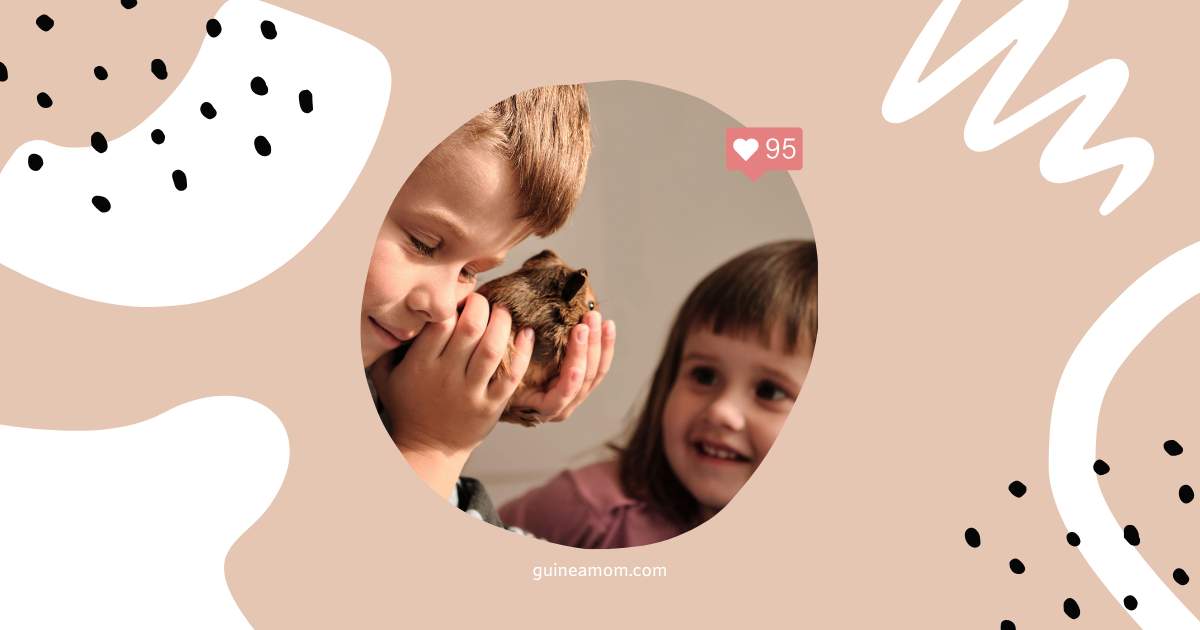
Guinea Pigs For Kids: Are They A Good Pet?
An honest look at whether guinea pigs suit children — the real upsides, the serious realities, and how to decide.
If you’re wondering whether to get a guinea pig for your kids, here’s the honest answer: guinea pigs can be lovely family pets, but they are not the easy, low-effort “starter pet for children” they’re often made out to be. They’re gentle and rarely bite, which is a real plus — but they’re also fragile, easily frightened, need a companion of their own kind, require daily care, and live for five to seven years or more. Crucially, a responsible adult must be the main carer, with children helping under supervision. So guinea pigs are a good choice for families who understand and embrace that commitment — and a poor choice for anyone hoping a child will independently look after a hands-off, cuddly-on-demand pet. Below, we’ll weigh the genuine pros and the important realities so you can decide honestly.
Are Guinea Pigs Good Pets for Kids? The Honest Answer
It’s the question behind the search, so let’s answer it directly: it depends on the family — and mostly on the adults.
Guinea pigs have real qualities that can make them wonderful family companions. But they also come with demands and vulnerabilities that the “perfect first pet for kids” reputation conveniently glosses over. The difference between a guinea pig being a joy or a problem almost always comes down to whether the family goes in with realistic expectations and a committed adult at the helm. To decide well, you need both sides of the picture — so here they are.
The Genuine Upsides
Let’s be fair — guinea pigs do have real merits as family pets, which is why so many families love them:
- They rarely bite. Guinea pigs are gentle, non-aggressive animals, so they’re unlikely to nip a careful child.
- They’re social and can be affectionate. Once bonded and comfortable, many guinea pigs enjoy gentle company, “talk” with charming wheeks and purrs, and recognize their humans.
- They’re awake during the day. Unlike many small pets, guinea pigs are active in daytime, so children can actually interact with them.
- They’re engaging and characterful. Their popcorning, vocal chatter, and individual personalities are genuinely delightful to watch.
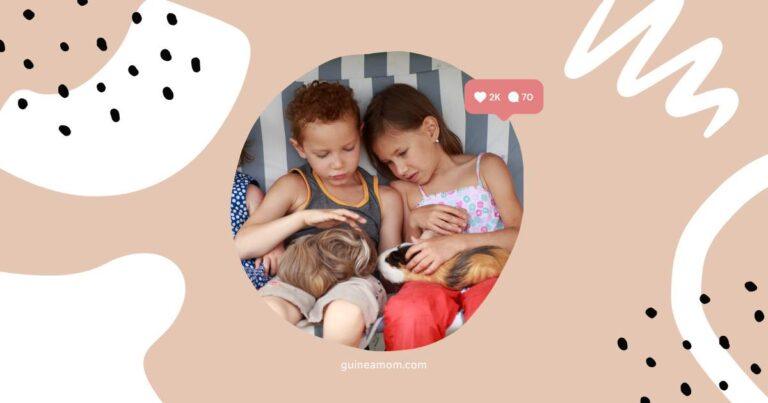
- They teach empathy and responsibility. Helping care for a guinea pig — gently and under supervision — can be a wonderful lesson in compassion for a child.
- No walking required. They don’t need walks like a dog, which suits some family lifestyles.
These are real positives, and with the right setup, a family guinea pig can bring a lot of joy. But they have to be weighed against some equally real realities.
The Important Realities
This is the part the “easy kids’ pet” myth skips — and it’s the part that matters most for the animal’s welfare:
- They’re fragile. Guinea pigs have delicate spines and can be seriously hurt by a fall or by being squeezed, so they need careful, gentle, well-supported handling — ideally while sitting on the floor.
- They’re easily frightened. As prey animals, they’re naturally nervous and don’t enjoy being chased, grabbed, or startled. Loud noise and sudden movement stress them.
- They’re not cuddly on demand. Some are shy, and even friendly pigs have limits. A guinea pig is a living animal with moods, not a toy that wants constant handling.
- They need a companion. Guinea pigs are herd animals who should be kept in pairs or groups — so it’s (at least) two animals to care for, not one.
- They’re a years-long commitment. Commonly living five to seven years or more, a guinea pig will be part of the family long after a child’s current interest.
- They need real daily care. Hay, fresh vegetables, vitamin C, clean water, regular cage cleaning, grooming, and vet care — every day, for years. Exotic vet care can also be costly.
- Children’s interest often fades. It’s extremely common for the initial excitement to wear off within months — and the animal must never suffer for it.
None of this makes guinea pigs “bad” — it makes them animals that deserve a realistic, committed home rather than an impulse purchase.
The Deciding Factor: A Committed Adult
Weighing the pros and realities, one factor tips the balance more than any other: is a responsible adult ready to be the primary caregiver?
For a guinea pig to thrive in a family, an adult needs to own the care and supervise every interaction between children and the pet. Kids can be enthusiastic, valued helpers — and benefit hugely from it — but a guinea pig’s health can’t depend on a child remembering to feed it or handling it correctly. The honest, welfare-first framing is simple: a family guinea pig is the adult’s pet that the children help with and enjoy. Where that’s true, guinea pigs are a great family choice. Where it isn’t, they’re not.
What Age Is Best for a Child to Have a Guinea Pig?
There’s no strict cutoff — it’s about maturity, gentleness, and supervision rather than a number. As rough guidance: very young children (toddlers and preschoolers) shouldn’t handle guinea pigs independently at all, though they can enjoy gentle, fully-supervised interaction. Older, calmer children (school age and up, and more so from around eight to ten) can take on a genuine supervised role in care and gentle handling, provided they’re naturally gentle. A careful younger child may do better than a boisterous older one — it’s the individual child that counts, with an adult always involved.
Who Guinea Pigs Are — and Aren’t — a Good Fit For
To make it concrete, guinea pigs tend to be a good fit for families who:
- Have a committed adult ready to be the main carer
- Understand and accept the daily care and multi-year commitment
- Have a relatively calm home and can supervise gentle interactions
- Are happy to keep a bonded pair and provide proper space
They tend to be a poor fit for families who:
- Want a hands-off pet a child will look after alone
- Are hoping for a constantly cuddly, toy-like animal
- Aren’t ready for years of daily care and potential vet costs
- Have very young children expected to handle the pet unsupervised
Honestly assessing which list fits your family is the single most useful thing you can do before deciding.
If You Decide to Go Ahead
Concluded that guinea pigs genuinely suit your family? Wonderful — here’s how to start well. Adopt a bonded pair from a rescue where possible: rescue staff can match you with calm, healthy, already-socialized pigs and offer guidance, and adopting a ready-bonded pair solves the all-important companionship question at once. Then set them up properly with a spacious home, the right diet, and gentle, supervised handling.
For the next steps, two companion guides go deeper: see our article on the best guinea pig breeds for families to help choose the right pigs, and our guide to guinea pig care for kids for exactly how to look after them and involve children safely. And if, after all this, you decide the timing isn’t right — that’s a perfectly responsible choice too, and far kinder made before getting a pet than after.
Key Takeaways
- Guinea pigs can be good family pets — but they’re not the easy “starter pet for kids” they’re reputed to be.
- Genuine upsides: they rarely bite, are social and characterful, are active in the daytime, need no walks, and can teach children empathy.
- Important realities: they’re fragile, easily frightened, not cuddly on demand, need a companion, require real daily care, and live for years — and kids’ interest often fades.
- The deciding factor is a committed adult willing to be the main carer and supervise all child–pet interaction.
- Age is about maturity, not a number — young children need full supervision; older, gentle children can do more with oversight.
- Be honest about fit — guinea pigs suit committed, realistic families, not those wanting a hands-off or toy-like pet.
- If you go ahead, adopt a bonded pair from a rescue, set them up properly, and see our breed and care guides for the details.
- It’s okay to decide now isn’t the right time — putting the animals’ welfare first is always the right call.
This article is intended as general educational information for families considering a guinea pig. Whether a pet suits your household depends on your individual circumstances and child. Guinea pigs are a multi-year commitment requiring companionship, proper housing, a hay-based diet, and veterinary care; please consider adopting from a rescue, and consult a qualified veterinarian for care guidance.