How To Tell If Your Guinea Pig Can Hear
Simple signs and an at-home check to tell whether your piggy can hear — plus how to care for a deaf guinea pig.
To tell if your guinea pig can hear, watch how they react to sounds. A guinea pig with normal hearing will startle at sudden noises, respond to your voice, come running at food sounds (like a rustling bag), and swivel their ears toward interesting sounds. Signs of possible hearing loss or deafness include not reacting to noises, your voice, or food cues, and being easily surprised when you approach (because they didn’t hear you coming). You can do a simple at-home hearing check by making a sound out of their sight and watching for a reaction. Common causes of hearing loss are age, genetics, ear infections, and loud noise. If you suspect an ear infection or sudden hearing loss, see a vet — and rest assured that deaf guinea pigs adapt remarkably well and live happy, full lives. Here’s how to check and what to do.
Signs Your Guinea Pig Can Hear
Guinea pigs have excellent hearing, so a pig with normal hearing gives plenty of clues. Look for these signs that your guinea pig hears just fine:
- Startling at sudden or loud noises — a quick freeze, flinch, or dash for cover.
- Responding to your voice — perking up, turning toward you, or calming when you speak softly.
- Coming to food sounds — running over or wheeking at the rustle of a bag, the fridge opening, or the clink of a bowl.
- Ear movements — subtly swiveling or twitching their ears toward an interesting sound.
- Reacting to other pigs — responding to a cage mate’s calls.
If your pig does these things, their hearing is almost certainly working well.
Signs of Hearing Loss or Deafness
A guinea pig that’s hard of hearing or deaf will show the absence of those reactions. Possible signs include:
- Not responding to your voice or familiar calls.
- Not startling at sudden or loud noises that would normally make them react.
- Not reacting to food sounds (the bag or fridge that usually brings them running).
- Ears not turning toward sounds.
- Being easily startled when approached — jumping in surprise when you come near, because they didn’t hear you coming (especially from behind or while sleeping).
- Not being woken by noises.
One important caveat: a guinea pig ignoring you isn’t automatically deaf. A relaxed, dozing, or simply unbothered pig may not react, and pigs can habituate to familiar sounds. Deaf pigs also compensate cleverly with their other senses, so they may still seem to “respond” (to your scent, movement, or vibrations). That’s exactly why a proper check helps.
How to Do a Simple At-Home Hearing Check
You can do a gentle at-home test to gauge your guinea pig’s hearing:
- Wait until your pig is calm but awake, and not looking at you.
- Make a sound from out of their line of sight — a clap, a rustle of a (non-food) bag, a squeaky toy, or calling their name — from a spot where they can’t see you.
- Watch for a reaction — an ear twitch, a head turn, a startle, a pause in what they’re doing, or coming to investigate.
- Repeat a few times, and try different pitches (a high squeak, a lower clap), since hearing loss can affect some frequencies more than others.
Crucial tips for an accurate test: make sure your pig can’t see you, feel vibrations (don’t stamp or bang the cage/floor — they may feel that rather than hear it), or feel air movement — otherwise they might respond to those cues instead of the sound, giving a false result. Test when they’re relaxed, and don’t rely on a single try. If your pig consistently doesn’t react to sounds made this carefully, hearing loss is possible.
Why Might a Guinea Pig Lose Its Hearing?
Several things can affect a guinea pig’s hearing:
- Age — older guinea pigs can lose hearing over time, just like other animals.
- Genetics — some guinea pigs are born deaf or hard of hearing.
- Ear infections — a common and often treatable cause (more below).
- Wax or debris buildup in the ear canal.
- Injury to the ear or head.
- Loud noise damage — prolonged or extreme noise exposure can harm their sensitive hearing.
- Certain medications — some drugs can affect hearing, which is one reason to only use vet-prescribed treatments.
Ear Infections: A Common (and Treatable) Cause
Ear infections deserve special mention because they’re a frequent cause of hearing problems — and, importantly, they’re often treatable if caught early. Watch for these signs of an ear infection:
- Head tilting to one side
- Loss of balance, circling, or falling over
- Excessive ear-scratching or pawing at the ear
- Discharge or an unpleasant smell from the ear
- Reluctance to be touched near the head or ears
An untreated ear infection can lead to temporary or even permanent hearing loss (and is uncomfortable for your pig), so these signs warrant a prompt vet visit. With treatment, hearing may be preserved or restored.
When to See a Vet
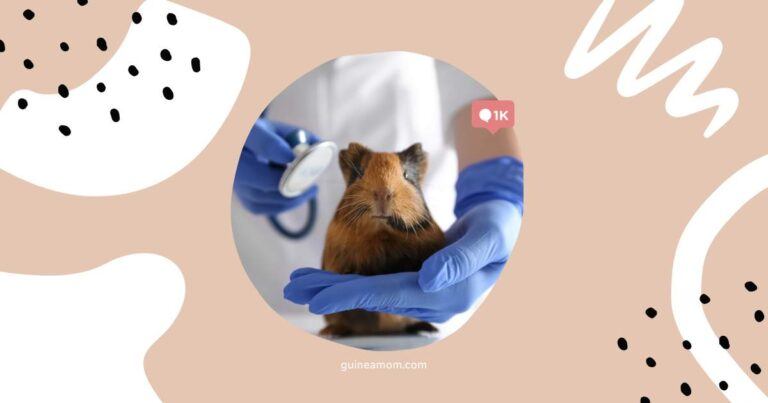
Book a vet visit if you notice any signs of an ear infection (especially head tilt or balance problems), if your pig seems to have suddenly lost their hearing, or if hearing loss comes alongside other symptoms of illness. A vet can examine your guinea pig’s ears, check for infection, wax, or other issues, and advise on treatment or management. Since guinea pigs hide illness well, it’s always better to get an expert opinion when something seems off.
Caring for a Deaf Guinea Pig
If your guinea pig is confirmed deaf, don’t worry — guinea pigs adapt wonderfully to hearing loss and can live happy, full lives by relying on their other keen senses, especially smell, sight, and their sensitivity to vibration. A few tips to help a deaf pig thrive:
- Approach where they can see you, so you don’t startle them — never surprise a deaf pig from behind.
- Use visual and vibration cues — gentle movement in their line of sight, or a soft tap near (not on) the cage to signal your presence via vibration.
- Rely on scent — let them smell your hand before handling.
- Keep a consistent routine and layout, so their world feels predictable.
- Be extra gentle and patient, and always give them a moment to notice you before picking them up.
- Ensure they have a companion and a safe, calm environment, just like any guinea pig.
Deafness isn’t painful, and a deaf guinea pig can be every bit as happy, affectionate, and full of personality as a hearing one — they just need a little extra consideration.
Key Takeaways
- To tell if your guinea pig can hear, watch for reactions to sound — startling at noises, responding to your voice, coming to food sounds, and swiveling their ears.
- Signs of deafness include not reacting to sounds, your voice, or food cues, ears not turning, and being easily startled when approached.
- Do an at-home check by making a sound out of their sight — making sure they can’t see you, feel vibrations, or feel air movement — and watching for a reaction; try different pitches.
- A pig ignoring you isn’t always deaf — they may be relaxed, habituated, or responding to other senses.
- Causes of hearing loss include age, genetics, ear infections, wax, injury, loud noise, and some medications.
- Ear infections (watch for head tilt, balance loss, scratching, or discharge) are a common, often treatable cause — see a vet promptly.
- See a vet for suspected ear infections, sudden hearing loss, or other symptoms.
- Deaf guinea pigs adapt well — approach in sight, use visual and vibration cues, rely on scent, keep a routine, and be gentle; they live happy, full lives.
This article is intended as general educational information for guinea pig owners and is not a substitute for professional veterinary advice. If you suspect your guinea pig has an ear infection, hearing loss, or any illness, consult a qualified veterinarian experienced with guinea pigs.