Recognizing Guinea Pig Depression
How to spot when your piggy isn’t their happy self — and what you can do to help
Guinea pigs are sensitive, social little animals, and they absolutely can experience something a lot like depression — a low, withdrawn, “not themselves” state usually triggered by loneliness, boredom, stress, a change in their environment, grief after losing a companion, or underlying illness. The signs to watch for include lethargy, loss of appetite, hiding away, reduced or absent popcorning, less vocalizing, a neglected coat, and a general loss of interest in things they used to enjoy. Here’s the most important thing to know, though: these exact signs are also how guinea pigs show physical illness and pain. Because piggies are experts at hiding sickness, a “depressed” guinea pig is very often a sick one — so the first step is always a vet check to rule out a medical cause. Once health is confirmed, you can lift their spirits with companionship, enrichment, more space, a calm environment, and consistent, gentle attention.
Can Guinea Pigs Really Get Depressed?
It’s fair to ask whether “depression” is the right word for an animal. Guinea pigs don’t experience emotions exactly the way humans do, and we can’t ask them how they feel. But what we can observe is that they have rich social lives, clear preferences, and recognizable moods — and that they can fall into a persistent state of low energy, withdrawal, and loss of interest that looks very much like depression.
So when we talk about guinea pig “depression,” we mean a lasting change toward listlessness, disengagement, and unhappiness — a piggy who has stopped doing the things that normally make them them. It’s a useful shorthand, and taking it seriously is part of being a caring owner. The key is to treat it as a signal that something in your pig’s world (or body) needs attention.
The Big Caveat: Depression and Illness Look Almost Identical
Before anything else, this point deserves real emphasis. The behavioral signs of depression — lethargy, hiding, not eating, loss of interest — are nearly identical to the signs of physical illness and pain in guinea pigs.
As prey animals, guinea pigs instinctively mask sickness until they’re quite unwell, and “acting depressed” is frequently the first visible clue that a pig is actually in pain or fighting an illness. Dental problems, respiratory infections, urinary issues, and digestive trouble can all make a pig withdraw and go quiet.
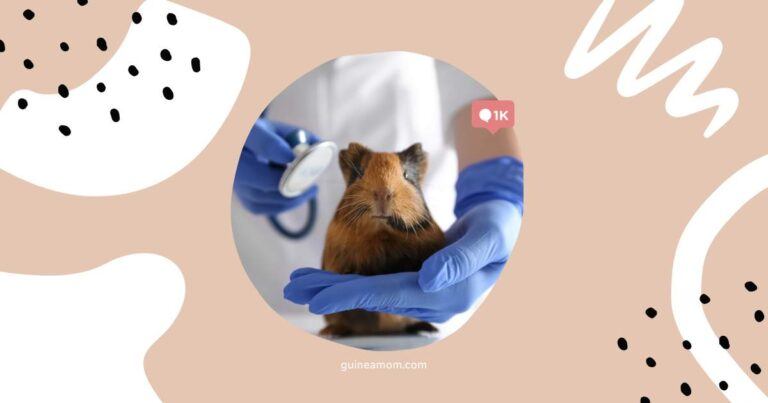
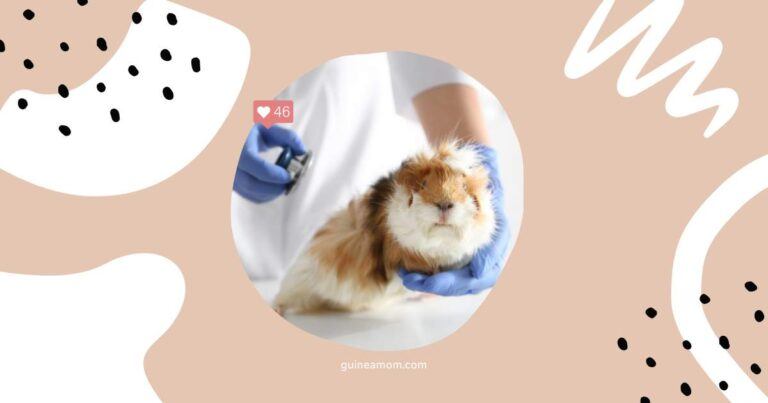
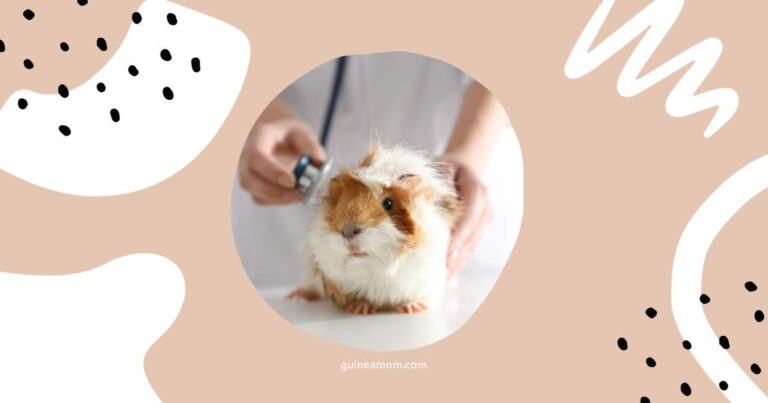
This is why a withdrawn, low pig should always see a vet first. Assuming it’s “just sadness” and waiting it out can be dangerous if there’s a medical cause underneath. Rule out illness, and then address emotional and environmental factors. Throughout this article, keep that order of operations in mind.
Common Causes of Guinea Pig Depression
Once health is ruled out, low mood usually traces back to one or more of these:
Loneliness. Guinea pigs are herd animals who, in nature, live in groups. A pig kept entirely alone, without a companion of their own kind, can become genuinely lonely and depressed. In some countries it’s even considered poor welfare (or against the law) to keep a single guinea pig.
Grief. Losing a bonded cage mate can hit a guinea pig hard, and many show clear signs of mourning afterward.
Boredom. A bare cage with nothing to do, explore, or chew leaves an intelligent, curious animal understimulated and flat.
Too little space. A cramped cage restricts movement and natural behavior, which takes a toll over time.
Stress. Loud noises, nearby predators (cats and dogs), constant disturbance, over-handling, or an unstable environment all wear a pig down.
Change and disruption. Moving home, a rearranged cage, a new pet, a new baby, or a shift in routine can unsettle a sensitive pig.
Lack of interaction. Pigs who get little gentle attention or company — human or piggy — can become withdrawn.
Signs Your Guinea Pig May Be Depressed
No single sign is proof on its own, but a cluster of these — especially a clear change from your pig’s normal behavior — is worth taking seriously.
- Lethargy and low energy — sleeping more, moving less, sitting still for long stretches
- Loss of appetite — eating less, ignoring favorite foods, or refusing treats
- Hiding and withdrawal — spending far more time tucked away and avoiding interaction
- Loss of interest — no longer excited by playtime, treats, or things they used to love
- Reduced or no popcorning — that joyful little hop disappearing is a telling sign
- Quietness — less of their usual chatter, wheeking, or vocalizing
- A neglected coat — reduced self-grooming leaving the fur rough or unkempt
- Irritability or aggression — some pigs become grumpy or snappy rather than withdrawn
- Repetitive behaviors — bar-biting or restless pacing, often linked to boredom or stress
- Weight loss — frequently tied to reduced eating
Because so many of these overlap with illness, the appearance of several together is your cue to head to the vet first, then look at lifestyle.
How to Help a Down Guinea Pig
Assuming your vet has ruled out a medical problem, here’s how to help your piggy rediscover their spark.
1. Start with a vet check
Yes, again — it’s that important. Confirm there’s no underlying pain or illness before treating the problem as purely emotional.
2. Consider companionship
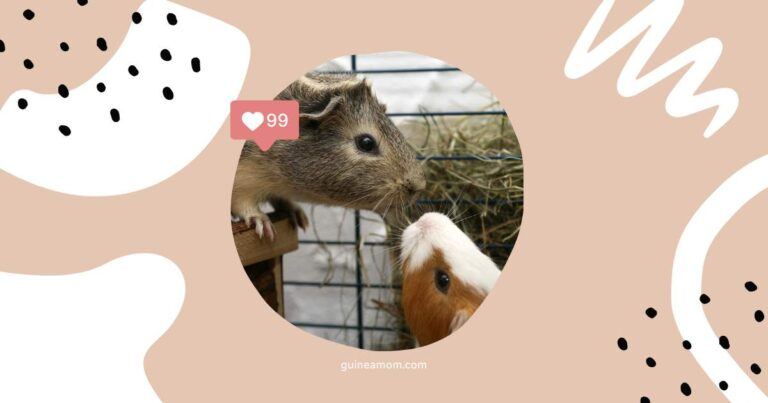
Guinea pigs are social animals and most are happiest with a compatible companion of their own species. If you have a lone pig, a well-matched friend (same-sex, or a neutered pairing) introduced carefully can transform their wellbeing. A few notes: introductions should be done gradually and on neutral territory, and guinea pigs should never be housed with rabbits, who can injure them and don’t share their language or needs.
3. Boost enrichment
Give your pig a world worth engaging with: tunnels to run through, hidey-houses to feel safe in, safe chew toys, and foraging opportunities like scattered hay or hidden veggies. Rotating and refreshing these keeps things interesting.
4. Give them more space
A larger cage and regular supervised floor time in a safe area let your pig move, explore, and behave naturally — a powerful antidote to boredom-driven low mood.
5. Build a calm, predictable environment
Place the cage somewhere quiet and secure, away from predators and constant noise. A stable routine helps a sensitive pig feel safe, and feeling safe is the foundation of feeling content.
6. Spend gentle, consistent time together
Talk softly to your pig, hand-feed healthy treats, and offer calm lap time on their terms. Predictable, low-pressure interaction builds trust and engagement without overwhelming them.
7. Keep the basics solid
A good diet, fresh water, and a clean living space all support both physical and emotional health. A pig who feels physically well has a far better baseline mood.
A Note on Grief
Losing a bonded companion is one of the most common causes of guinea pig depression, and the grief can be very real. A bereaved pig may go quiet, eat less, search for their lost friend, or withdraw for a while.
Be patient and give them extra gentle attention during this time, and keep a close eye on their eating — a grieving pig who stops eating still needs a vet, since the physical risks don’t pause for emotions. Many owners choose to find a new companion after a loss, which often helps enormously, though it should be done with careful, gradual introductions rather than rushed. There’s no single right timeline; follow your pig’s cues and prioritize their comfort.
When to See a Vet
Given how closely depression and illness overlap, err firmly on the side of caution. See a vet promptly if your guinea pig is withdrawn or low and also:
- not eating or eating noticeably less
- producing fewer or no droppings
- losing weight
- lethargic, hunched, or fluffed up
- showing any physical symptoms at all
In guinea pigs, “off” behavior is often the earliest — and sometimes only — warning of a physical problem, and these animals decline quickly. Getting checked out doesn’t just treat possible illness; it also gives you peace of mind to focus on the emotional and environmental side if your pig is physically healthy.
Key Takeaways
- Guinea pigs can experience a depression-like state — a lasting low, withdrawn mood — and it’s a real welfare issue worth taking seriously.
- Illness comes first. The signs of depression and the signs of sickness are nearly identical, so always rule out a medical cause with a vet before assuming it’s emotional.
- Common triggers include loneliness, grief, boredom, too little space, stress, disruption, and lack of interaction.
- Watch for clusters of signs — lethargy, loss of appetite, hiding, no popcorning, quietness, a neglected coat, and loss of interest — especially when they’re a change from normal.
- Companionship is powerful. Most guinea pigs are happiest with a compatible piggy friend; introduce carefully and never house them with rabbits.
- Enrichment, space, and calm — tunnels, toys, foraging, floor time, and a quiet, predictable environment all lift mood.
- Grief is real. A bereaved pig needs patience, gentle attention, and close monitoring of their eating.
- When in doubt, see a vet. “Off” behavior is often the first sign of a physical problem, and guinea pigs decline fast.
This article is intended as general educational information for guinea pig owners and is not a substitute for professional veterinary advice. If your guinea pig is showing signs of low mood, withdrawal, or any change in behavior, please consult a qualified veterinarian to rule out underlying health problems.