Top Factors Affecting Guinea Pig Lifespan
What really determines how long a guinea pig lives — and how much of it is in your hands.
A guinea pig’s lifespan — typically 5 to 7 years, sometimes more — is shaped by a mix of factors, and the encouraging news is that most of them are within your control. The top factors are genetics (the one you can’t change), diet (especially daily vitamin C), housing and hygiene, companionship, weight and exercise, veterinary care and early illness detection, and overall stress levels. Genetics sets a baseline, but excellent care across the other factors is what allows a guinea pig to reach — and sometimes exceed — its full natural lifespan. Get these right and you genuinely add healthy years to your pig’s life. Here’s a closer look at each factor and what you can do about it.
Two Kinds of Factors: What You Can and Can’t Control
Before the list, a helpful way to think about lifespan: some factors are fixed, and many are not.
Genetics is largely outside your control — it’s the hand your pig is dealt. But nearly everything else — diet, housing, companionship, weight, vet care, and stress — is something you actively influence every day. That’s why two guinea pigs with similar genes can live very different lengths of time: the difference is care. So while you can’t change your pig’s genetics, you have enormous influence over how long and how well they live. The factors below are ordered to cover both, starting with the one you can’t change.
Factor 1: Genetics and Breeding
Genetics is the single biggest natural influence on lifespan, setting a baseline that care then builds on. Some pigs are simply born hardier than others, and certain inherited conditions can affect longevity.
While you can’t change your pig’s genes, you can influence this factor at the start. Acquiring a pig from a responsible breeder who selects for health and avoids breeding animals with serious inheritable problems — or adopting from a reputable rescue — gives you the best genetic starting point. It’s also worth being aware of breed-linked predispositions (such as the bone disease Satin-coated pigs are prone to) when choosing. After that, the rest is up to care.
What you can do: Choose a healthy pig from a responsible source, be aware of breed-linked health risks, and then focus your energy on the controllable factors below.
Factor 2: Diet and Vitamin C
Diet is the most powerful factor you can control, and poor diet is one of the leading causes of shortened guinea pig lives. A proper diet underpins virtually every aspect of long-term health.
The foundation is unlimited grass hay, which supports both digestion and dental health. On top of that, guinea pigs need a daily portion of fresh vegetables, a small amount of quality pellets, and constant fresh water. Most critically, they need daily vitamin C — guinea pigs can’t produce their own, and a deficiency causes scurvy and weakens overall health. Vitamin-C-rich vegetables like bell pepper, plus a fortified pellet, keep levels up.
What you can do: Provide unlimited hay, daily veg with reliable vitamin C, measured pellets, and fresh water — and avoid sugary, fatty, or unsuitable foods.
Factor 3: Housing, Environment, and Hygiene
Where and how a guinea pig lives has a major impact on how long it lives. A good environment supports health; a poor one actively undermines it.
Several elements matter here. Space lets pigs exercise and stay fit (cramped cages contribute to obesity and stress). Cleanliness prevents a range of health problems — a dirty, damp environment encourages respiratory infections and foot conditions like bumblefoot. Safe flooring and bedding protect the feet and airways (avoid wire floors and pine/cedar shavings). Temperature stability matters because guinea pigs cope poorly with heat and cold, and indoor pigs consistently outlive outdoor ones thanks to stable conditions and closer monitoring. Good ventilation, away from drafts, rounds it out.
What you can do: Provide a spacious, clean, well-ventilated, temperature-stable home (ideally indoors) with safe bedding and a solid floor, and keep it clean with regular spot-cleaning and fuller cleans.
Factor 4: Companionship
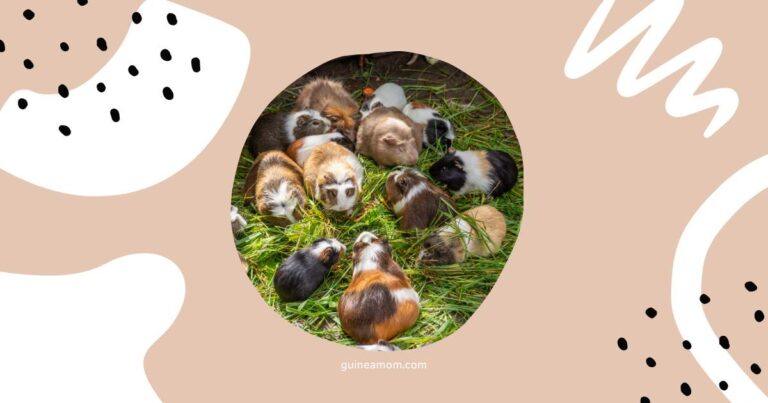
This factor surprises some owners, but it’s a real one: loneliness affects health. Guinea pigs are social herd animals, and a pig kept alone experiences chronic stress, which can weaken the immune system over time and reduce wellbeing.
Keeping guinea pigs in compatible pairs or groups isn’t just about happiness — it supports the kind of low-stress, contented life that underpins good health and longevity. A pig with a companion is generally a calmer, healthier pig.
What you can do: Keep at least two compatible guinea pigs together, so none lives alone.
Factor 5: Weight and Exercise
Like many animals, guinea pigs live longer at a healthy weight. Obesity strains the body, contributes to other health problems, and can shorten life, while a lack of exercise leaves pigs sedentary and prone to weight gain.
The two sides of this factor work together: a sensible diet (not over-feeding pellets, fruit, or treats) keeps weight in check, while space to move and regular supervised floor time keeps pigs active and fit. Monitoring weight with regular weigh-ins helps you catch problems — in either direction — early.
What you can do: Maintain a healthy weight through proper portions and plenty of room to exercise, and weigh your pig regularly to track changes.
Factor 6: Veterinary Care and Early Illness Detection
Guinea pigs are prey animals and instinctively hide illness until they’re quite unwell — which makes proactive veterinary care a genuine lifespan factor. By the time a problem is obvious, it can be advanced.
Regular wellness check-ups with a guinea-pig-savvy (exotic or small-animal) vet help catch hidden problems early, when they’re most treatable. Equally important is your own vigilance at home: knowing your pig’s normal weight, appetite, and behavior so you notice subtle changes, and seeking prompt veterinary help at the first signs of illness (not eating, lethargy, breathing trouble, changes in droppings). Catching the common guinea pig illnesses early often makes the difference.
What you can do: Establish care with a guinea-pig-experienced vet, schedule regular check-ups, monitor your pig closely, and act promptly on any sign of illness.
Factor 7: Stress and Overall Wellbeing
Finally, a pig’s general stress level threads through all of the above and matters in its own right. Chronic stress takes a toll on health, and guinea pigs are sensitive, easily-frightened animals.
Stressors include the sight and sound of predators (cats and dogs), loud or chaotic environments, rough or excessive handling, loneliness, and unstable conditions. A calm, secure, predictable life — with gentle handling, a quiet location, hiding places, companionship, and a stable routine — keeps stress low and wellbeing high, supporting a longer, healthier life.
What you can do: Keep your pig’s environment calm and secure, handle them gently and on their terms, provide hiding spots and a companion, and maintain a stable routine.
So How Much Is in Your Hands?
Put it all together and the message is empowering: aside from genetics, the major factors affecting your guinea pig’s lifespan are ones you control. Diet, housing, hygiene, companionship, weight, vet care, and stress are all shaped by your daily choices. That’s why care quality so often makes the difference between a guinea pig that lives a few years and one that reaches a healthy old age — and, in exceptional cases with great care and a bit of luck, well into the double digits. Your guinea pig’s longevity really is, in large part, up to you.
Key Takeaways
- Lifespan is shaped by genetics plus care — and most factors are within your control.
- Genetics sets a baseline you can’t change, but choosing a healthy pig from a responsible source gives the best start.
- Diet is the most powerful controllable factor — unlimited hay, daily vegetables, and essential daily vitamin C.
- Housing, environment, and hygiene matter enormously — space, cleanliness, safe flooring/bedding, stable temperature, and (usually) indoor living.
- Companionship reduces chronic stress — never keep a guinea pig alone.
- A healthy weight and regular exercise protect long-term health.
- Veterinary care and early illness detection are vital, since guinea pigs hide sickness — see a guinea-pig-savvy vet and monitor closely.
- Low stress and overall wellbeing thread through everything — a calm, secure, gently-handled pig lives better and longer.
This article is intended as general educational information for guinea pig owners and is not a substitute for professional veterinary advice. For guidance on maximizing your individual guinea pig’s health and lifespan, consult a qualified veterinarian.