Guinea Pig Diet For Extended Lifespan
How feeding your piggy well doesn’t just keep them healthy — it can genuinely add years to their life.
Diet is one of the most powerful tools you have for extending your guinea pig’s lifespan — because most of the health problems that shorten guinea pig lives are diet-related and preventable. The longevity-boosting essentials are unlimited grass hay (which prevents fatal digestive slowdowns and dental disease), daily vitamin C (preventing scurvy and supporting immunity), varied fresh vegetables, careful calcium and good hydration (to ward off bladder stones), sensible portions (to prevent life-shortening obesity), and avoiding harmful foods. Feed this way consistently, and you’re not just keeping your pig comfortable day to day — you’re actively heading off the conditions that cut guinea pig lives short, giving them their best shot at reaching, or even exceeding, a healthy old age.
The Diet–Longevity Connection
It’s worth understanding why diet matters so much to lifespan, because it makes every feeding choice feel more meaningful.
Many of the most common and serious guinea pig health problems — scurvy, dental disease, digestive emergencies like GI stasis, bladder stones, and obesity — are directly tied to diet. Feed poorly, and you raise the risk of all of them; feed well, and you prevent or reduce them. Since these are exactly the conditions that tend to shorten guinea pig lives, diet is essentially preventive medicine you serve up every day. The sections below connect each dietary practice to the life-shortening problem it helps prevent — that’s the key to feeding for a long life.
Hay: The Longevity Foundation
If one food does the most to extend a guinea pig’s life, it’s grass hay — and it should be available 24 hours a day, making up the bulk of the diet.
Hay protects lifespan in two crucial ways. First, its high fiber keeps the digestive system constantly moving, preventing gastrointestinal stasis — a dangerous, sometimes fatal slowdown that guinea pigs are prone to when fiber is lacking. Second, the constant chewing wears down their continuously-growing teeth, preventing dental disease and malocclusion, which can make eating painful or impossible and seriously harm a pig’s health if left unchecked. Both of these are genuine life-shorteners, and unlimited hay is the single best defense against them.
Longevity link: prevents fatal digestive slowdowns and painful, life-threatening dental disease.
Vitamin C: The Daily Life-Saver
Guinea pigs can’t make their own vitamin C, so they need it from their diet every single day — and this isn’t optional for a long life.
Without enough vitamin C, guinea pigs develop scurvy, which damages joints, skin, and the immune system, leaves them prone to other illnesses, and slows healing. Over time, deficiency seriously undermines health and longevity. Supplying vitamin C reliably — through vitamin-C-rich vegetables like bell pepper and a fortified pellet — keeps the immune system strong and wards off scurvy. It’s one of the most important daily contributions you can make to your pig’s lifespan.
Longevity link: prevents scurvy and supports the immune system that fights off other illnesses.
Fresh Vegetables and Variety
A daily portion of varied fresh vegetables supports lifespan by delivering a broad range of vitamins and minerals, contributing to hydration, and providing reliable vitamin C.
The key word is variety — rotating several vegetables through the week gives a fuller spectrum of nutrients and helps keep the diet balanced (including managing calcium intake, below). Build the daily portion mostly from low-sugar, low-calcium options like bell pepper, leafy lettuces, cucumber, and herbs. A well-rounded fresh-veg routine supports overall health, which in turn supports a longer life.
Longevity link: delivers broad nutrition, vitamin C, and hydration that underpin overall health.
Watching Calcium and Hydration
Guinea pigs are prone to bladder stones and sludge, painful urinary problems that can require surgery and affect long-term health — and diet plays a direct role in preventing them.
Two dietary habits help. First, balance calcium: feed higher-calcium foods (like spinach, kale, and parsley) in moderation and rotate them with lower-calcium options, and use grass hay rather than high-calcium alfalfa for adult pigs. Second, support good hydration, since plenty of water helps flush the urinary system. Managing these reduces the risk of the urinary problems that can otherwise take a toll over a pig’s life.
Longevity link: reduces the risk of painful, health-sapping bladder stones and urinary problems.
Sensible Portions: Preventing Obesity
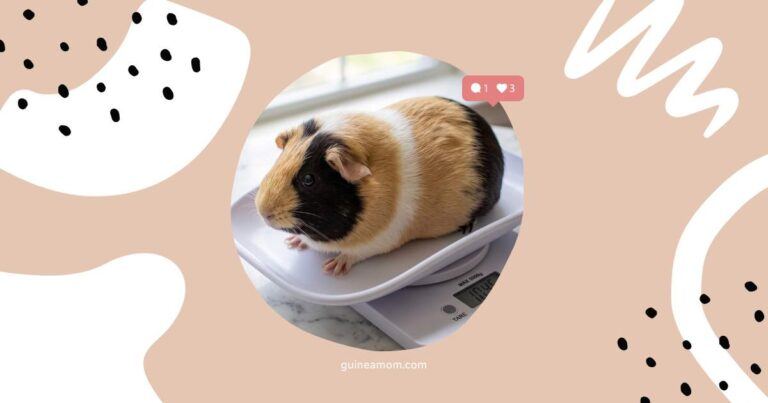
Like many animals, guinea pigs live longer at a healthy weight — and obesity is a genuine life-shortener, straining the body and contributing to other health problems.
Diet is the main lever here. The biggest culprits behind weight gain are over-feeding pellets (free-feeding rather than a measured portion), too much fruit and sugary or starchy foods, and sugary commercial treats. Keep pellets to a small measured amount, treat fruit as an occasional extra, skip the sugary shop treats, and let unlimited low-calorie hay fill your pig up. Maintaining a healthy weight through diet is one of the clearest ways to extend a guinea pig’s life.
Longevity link: prevents life-shortening obesity and the health problems that come with it.
Fresh Water, Always
Easy to overlook, but constant access to fresh, clean water is part of a life-extending diet. Water supports digestion, kidney and bladder function (helping prevent those urinary problems), and overall health.
Keep water fresh and available at all times, clean the bottle or bowl regularly, and check daily that a water bottle is actually flowing — they can clog without obvious signs. Good hydration is a quiet but genuine contributor to long-term health.
Longevity link: supports kidney and urinary health and overall bodily function.
Avoiding Life-Shortening Foods
What you don’t feed matters as much as what you do. Some foods can harm a guinea pig acutely or chronically, undermining the lifespan you’re working to extend.
Never feed genuinely toxic foods (like chocolate, onion and garlic, avocado, rhubarb, and the green parts of potato and tomato plants), and avoid foods their bodies can’t handle (dairy, meat, bread, and processed human snacks). Steer clear of sugary commercial treats too. Cutting these out removes both immediate dangers and the chronic dietary harm that erodes health over time.
Longevity link: avoids acute poisoning and the chronic harm of unsuitable foods.
Diet Through the Life Stages
Finally, a life-extending diet adapts as your pig ages. Growing youngsters and pregnant or nursing sows have higher needs and may benefit from alfalfa, while healthy adults do best on grass hay and a balanced routine.
Senior pigs (from around four years) deserve particular attention, since good nutrition supports them through aging. Keep monitoring their weight and eating closely — changes are often the first sign of a problem — and follow your vet’s advice on any dietary adjustments suited to their changing needs, such as softer foods for dental issues or modified diets for specific health conditions. Tailoring the diet to each life stage helps your pig stay healthy right through to old age.
Longevity link: matches nutrition to changing needs, supporting health into old age.
Key Takeaways
- Diet is preventive medicine — most life-shortening guinea pig problems are diet-related and preventable.
- Unlimited hay is the foundation, preventing fatal digestive slowdowns and dental disease.
- Daily vitamin C is essential, preventing scurvy and supporting immunity, since guinea pigs can’t make their own.
- Varied fresh vegetables deliver broad nutrition, vitamin C, and hydration.
- Balance calcium and support hydration to reduce the risk of bladder stones.
- Sensible portions prevent obesity — measure pellets, limit fruit and sugary treats, and let hay fill your pig up.
- Fresh water always supports urinary and overall health.
- Avoid toxic and unsuitable foods, which cause both acute and chronic harm.
- Adapt the diet to life stages, with extra care and vet-guided adjustments for senior pigs.
This article is intended as general educational information for guinea pig owners and is not a substitute for professional veterinary advice. For dietary guidance tailored to your individual guinea pig — especially at demanding life stages or with a health condition — consult a qualified veterinarian.