How To Introduce Guinea Pigs To Each Other
A step-by-step bonding guide to help your piggies become lifelong friends.
To introduce two guinea pigs, the golden rule is to do it on neutral territory — a space neither pig has claimed as their own — with plenty of room, scattered food, and multiple hiding spots. Expect lots of dominance behavior at first: rumbling, mounting, chasing, chin-raising, and teeth chattering are all completely normal, and you should not separate them for these. Only step in for genuine, serious fighting — both pigs rearing up face-to-face, locking together, or drawing blood with real bites — and when you do, use a towel and a dustpan, never your bare hands. Signs of success are grooming and resting together. Once they’re getting along, move them into a thoroughly cleaned, rearranged cage with enough space and duplicate resources. Bonding can take anywhere from hours to a few weeks, so be patient — and know that, occasionally, two particular pigs just don’t click. Here’s the full process.
Before You Start: Matching and Preparation
Setting yourself up well before the first meeting makes a big difference.
Choose a compatible match. Pair guinea pigs of the same sex to avoid breeding (or use a neutered boar with a sow). Personality matters enormously: a pairing of one more dominant pig and one more easygoing pig tends to work best, while two strongly dominant pigs often struggle. Many rescues offer temperament-based “buddy dating” to help find a good match. And never try to pair a guinea pig with a rabbit — they’re not suitable companions.
Quarantine the newcomer first. Before any introductions, keep a new guinea pig separate for a while to make sure they’re healthy and not bringing in illness or parasites to your existing pig.
Swap scents. In the days before meeting, swap bedding or accessories between their cages so each pig gets used to the other’s smell. This gentle first step helps take the edge off the eventual face-to-face meeting.
Step 1: Side-by-Side Introduction
A great way to begin is letting the pigs see and smell each other safely before any direct contact. Set their cages next to each other, or use a mesh or barrier divider, so they can interact without being able to fight.
Scatter food near the barrier so they associate being close to each other with something pleasant. Watch for positive signs — squeaking to each other, sniffing through the barrier, sitting near one another, or popcorning (happy little jumps). Once they’re consistently showing these friendly signs, you’re ready for a proper meeting.
Step 2: The First Meeting on Neutral Territory
This is the key stage, and the setup matters:
- Use neutral territory. Choose a space neither pig has claimed — a playpen, a run, a cleared floor-time area, even a towel-lined bathtub. The point is that there’s no existing scent for either pig to defend. Never introduce them in one pig’s cage.
- Give them lots of space. Bigger is better — cramped quarters cause fighting. An open, roomy area lets them move freely and avoid each other when needed.
- Provide multiple hideys and tunnels with two exits each, so no pig can be cornered or trapped, plus a few toys and chews.
- Scatter tasty food around to distract and relax them.
- Supervise closely and start with short sessions (around 10–15 minutes), building up as things go well. Never leave them unattended.
Then let them find each other and interact, and try not to hover or interfere — be available for comfort, but let them work things out.
Normal Behaviors: Don’t Panic
This is the part that worries owners most, so it’s worth being clear: a lot of intense-looking behavior is completely normal as the pigs sort out their hierarchy, and separating them for it is the biggest mistake people make. Expect, and allow:
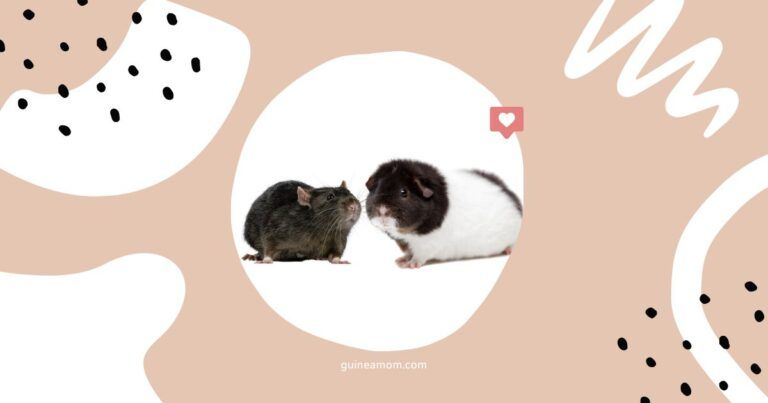
- Sniffing each other (including bottom-sniffing) and touching noses
- Rumble-strutting — swaying/stomping side to side with a low rumble
- Mounting — despite appearances, this is about status, not mating
- Chin-raising and yawning (showing teeth) to assert rank
- Chasing and following
- Teeth chattering and general posturing
- Even minor nips may happen
This dominance display can last from a few minutes to over an hour. It looks dramatic, but it’s how guinea pigs establish who’s in charge — a necessary step toward a stable friendship. Resist the urge to intervene.
Warning Signs: When to Separate
While dominance is normal, genuine fighting is not, and it calls for immediate, careful action. Separate the pigs if you see:
- Both pigs rearing up on their haunches, face to face — a clear signal they’re about to launch attacks (separate before it happens if you can).
- Lunging or leaping at each other with intent.
- Locking together in a vicious “ball of fur” — a full fight.
- Bites that draw blood from real attacks (not just a minor nip).
How to separate safely: never use your bare hands — a frightened, fighting guinea pig will bite anything, and their sharp incisors can cause serious injury. Instead, throw a towel over them as a distraction, then use a dustpan, piece of board, or oven mitt to slip between them. Keep children well away. If a real fight breaks out, separate them, give everyone time to calm down, and you can try again later.
Signs They’re Bonding
Happily, there are lovely signs that tell you the introduction is going well and a bond is forming:
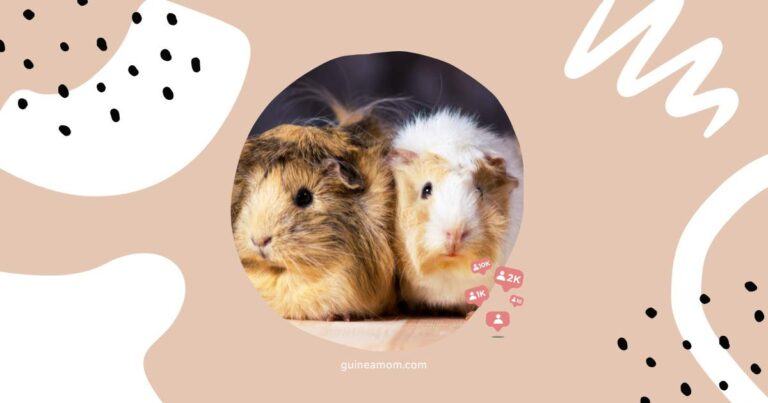
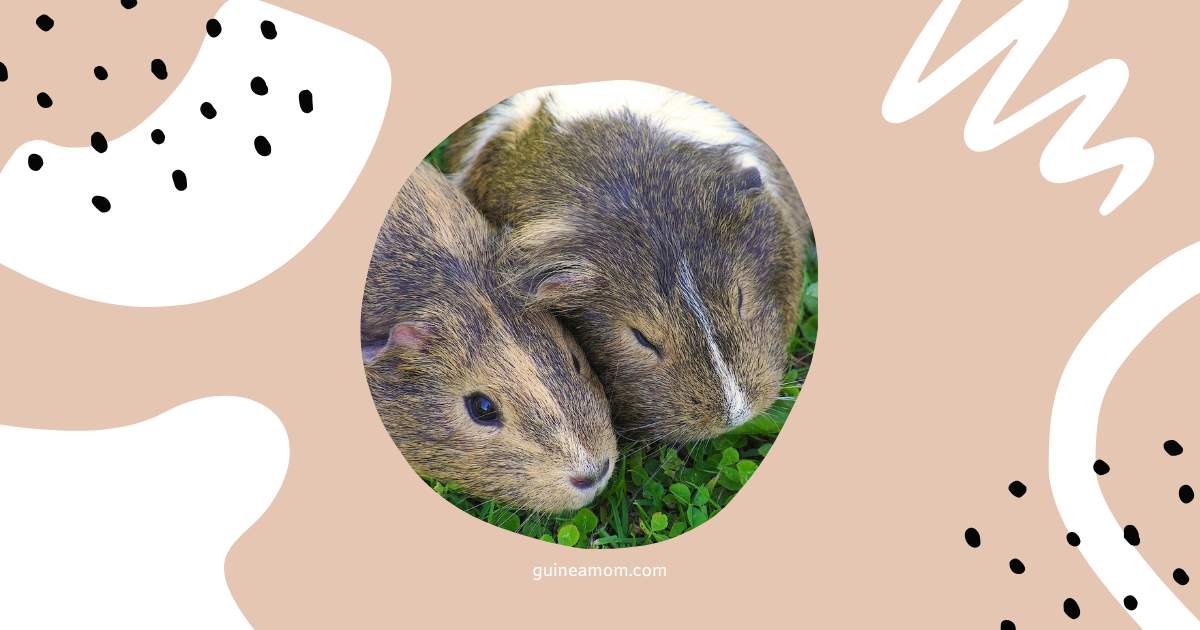
- Grooming each other — the clearest sign of acceptance
- Resting or lying down next to each other, especially side by side
- A relaxed, deep purr with loose body language
- Happy squeaking and popcorning
- Calm mutual sniffing and nose-touching
Once you see grooming and relaxed togetherness, congratulations — your pigs are becoming friends.
Step 3: Moving Into a Shared Home
Once the pigs are consistently getting along on neutral territory (ideally over a few sessions, and some owners keep them in neutral space for a couple of weeks first), it’s time to move them into a shared cage — but do it right to avoid reigniting territorial disputes:
- Thoroughly clean the cage to remove all existing scent — wash surfaces (a vinegar-water solution works well) and clean or replace all hideys, bowls, and toys.
- Rearrange everything so nothing is where it used to be. This makes the cage feel like a brand-new, neutral home neither pig “owns.”
- Make sure it’s big enough. A pair needs a generous space (well above the minimum for a single pig) — cramped cages cause fighting.
- Provide duplicate resources — multiple hideys (with two exits each; remove any one-exit houses), several food and water stations, and toys — so there’s nothing to fight over.
- Watch closely when they first go in, as returning to a cage can trigger a fresh round of chasing and posturing. This is normal; keep an eye out but let them settle.
From this point on, keep your bonded pigs together for good, unless a vet advises otherwise or the bond genuinely breaks down.
How Long Does Bonding Take?
There’s no fixed timeline — it depends entirely on the pigs. Some click almost instantly, as if they’ve always known each other; others need several sessions over days or weeks to fully settle. Hierarchy-sorting continues for a while, and minor bossiness is normal even in a happy pair. In the days after they move in together, it’s worth checking both pigs daily for any bites (especially around the ears and rear). Above all, be patient and stay calm — guinea pigs can sense your stress, and a relaxed approach helps everything go more smoothly.
If the Bonding Doesn’t Work
Sometimes, despite your best efforts, two particular guinea pigs simply aren’t compatible — most often when both have strongly dominant personalities. Serious, repeated fighting (with blood drawn from real attacks) is a sign that this specific pairing may not work.
If that happens, don’t force it — for the pigs’ sake. You can try again slowly after a break, but you may need to consider a different, better-matched companion. In the meantime, two incompatible pigs can live in side-by-side cages with a shared barrier, so they still have the comfort of seeing and smelling company without the conflict. A good rescue can also help with bonding and matching — a genuinely valuable resource if you’re struggling. The goal is always each pig’s wellbeing.
Key Takeaways
- Introduce on neutral territory with lots of space, multiple two-exit hideys, and scattered food — never in one pig’s cage.
- Prepare first — match compatible pigs (same sex or neutered; ideally one dominant, one easygoing), quarantine the newcomer, and swap scents.
- Start side-by-side with a barrier so they can safely see and smell each other, then progress to a supervised face-to-face meeting.
- Dominance behavior is normal — rumbling, mounting, chasing, chin-raising, teeth chattering, even minor nips — and you should not separate them for it.
- Separate only for real fighting — both rearing up, locking together, or drawing blood — using a towel and dustpan, never bare hands.
- Bonding signs are grooming, resting together, relaxed purring, and popcorning.
- Move into a thoroughly cleaned, rearranged cage that’s big enough, with duplicate hideys and food stations, then keep them together for good.
- Be patient — bonding takes hours to weeks — and accept that some pairs don’t click, in which case try a different match or side-by-side living, and consider rescue help.
This article is intended as general educational information for guinea pig owners and is not a substitute for professional veterinary advice. If your guinea pigs fight seriously or are injured during introductions, separate them safely and consult a qualified veterinarian or an experienced guinea pig rescue for guidance.