How To Pair Two Female Guinea Pigs
Why sows are often the easiest pairing — and how to bond them successfully.
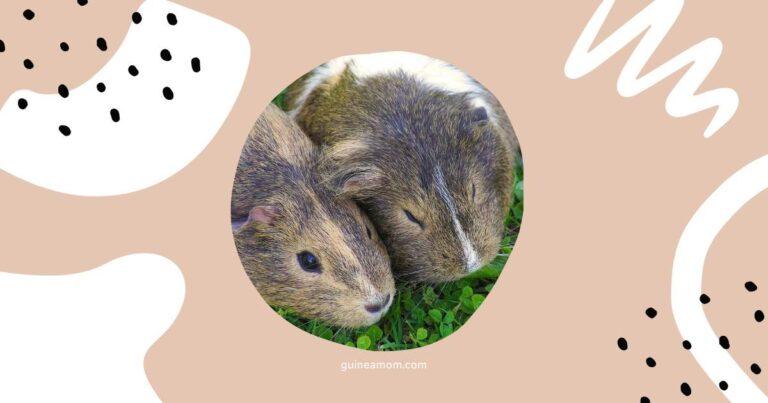
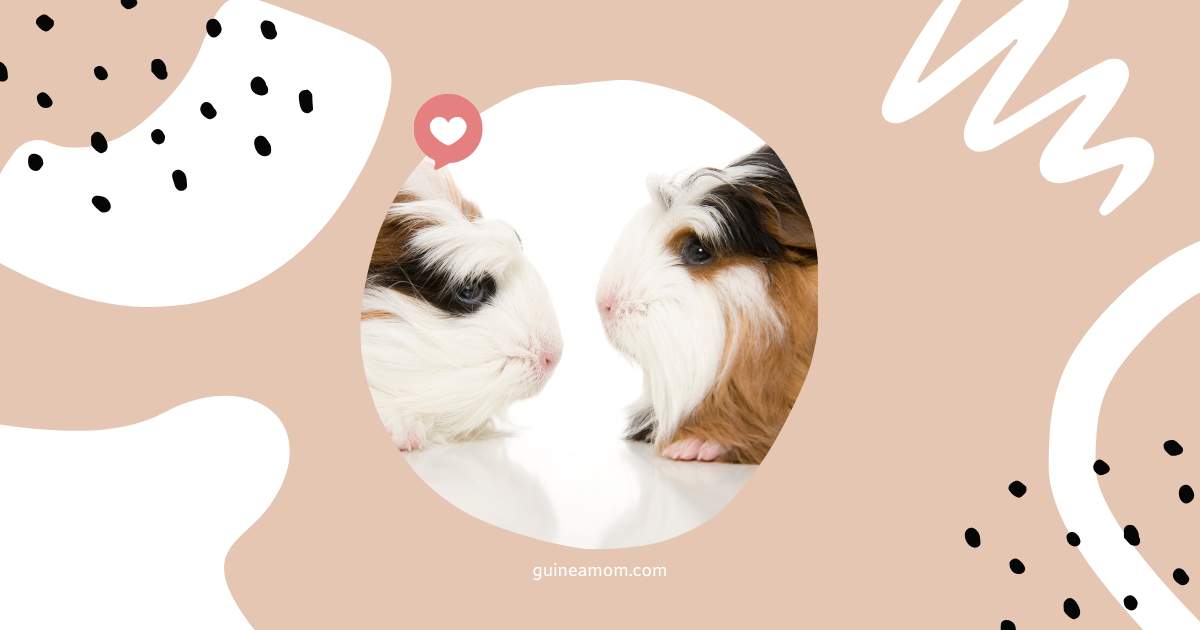
Good news: two female guinea pigs (sows) are generally the easiest and most harmonious pairing — often the recommended choice for first-time owners, and a great option for larger groups too. You still introduce them on neutral territory with plenty of space, multiple hiding spots, and scattered food, and you’ll still see dominance behavior (rumbling, mounting, chasing) as they sort out their hierarchy — though it’s usually milder than with boars. You shouldn’t separate them for normal dominance, only for genuine fighting. One female-specific thing to expect is a bit of extra mounting and bossiness when a sow is in season — that’s normal and hormonal. Success shows as grooming and resting together, and sow pairs often bond faster than males. Here’s how to pair two females for a happy, lasting friendship.
Are Two Female Guinea Pigs a Good Match?
Yes — and they’re arguably the best pairing to start with. Sow-to-sow is widely considered the easiest and most harmonious guinea pig combination, which is exactly why it’s so often recommended for beginners. Female pairs tend to settle into companionship with less drama than boars, and sows also do wonderfully in larger groups — trios and small herds of females often live together happily.
That doesn’t mean bonding is guaranteed to be instant or effortless — sows are still individuals with their own personalities, and they do establish a hierarchy. But if you’re choosing a pairing with the best odds of a smooth, peaceful bond, two females is a fantastic choice.
Why Female Bonding Is Often Easier
It helps to understand why sows tend to get along so readily. Compared to boars, female guinea pigs are generally less prone to intense dominance disputes. Their hierarchy-sorting is usually quicker and gentler, they’re more forgiving of tighter spaces (though room still matters), and they integrate into groups more easily. This is why female herds are so common and successful.
That said, sows still have personalities — a pairing of two strongly dominant females can clash, and hormones play a role (more on that below). So while female bonding is usually easier, it still deserves a proper, thoughtful introduction.
How to Pair Two Female Guinea Pigs
The process mirrors introducing any two guinea pigs (see our full guide, How to Introduce Guinea Pigs to Each Other, for every step) — here are the key points for a female pairing:
Choose a compatible match. Personality still matters: a pairing of one more dominant sow and one more easygoing one tends to be smoothest, though sows are generally flexible. A rescue can help match temperaments.
Provide plenty of space. While sows are more forgiving than boars, a generous enclosure still reduces friction and helps them settle — bigger is always better.
Swap scents first. In the days before meeting, swap bedding between their cages so each sow gets used to the other’s smell.
Start side-by-side. Set their cages next to each other (or use a barrier) so they can see and smell each other safely, with food scattered nearby to build positive associations.
Meet on neutral territory. Introduce them face-to-face in a space neither has claimed, with lots of room, multiple two-exit hideys, toys, and scattered treats. Supervise, starting with short sessions.
Provide duplicate resources. In their shared home, offer several hideys and multiple food and water stations so there’s nothing to compete over.
Normal Dominance vs. Real Fighting
Even with easygoing sows, you’ll see some hierarchy-sorting — and it’s important not to overreact to it.
Normal (do NOT separate): rumbling, mounting, chin-raising, teeth chattering, chasing, and bottom-sniffing. With sows this is usually milder and briefer than with boars, but it’s still how they establish rank — let it happen.
Real fighting (separate immediately, safely): both sows rearing up face-to-face, lunging with intent, locking together, or drawing blood with genuine bites. This is rare in female pairs, but if it happens, never use bare hands — throw a towel over them and use a dustpan or board to separate, then give them time to calm down.
A Note on Sows in Season
Here’s a female-specific thing to expect. Sows come into season roughly every couple of weeks, and when they do, you may notice extra mounting, rumbling, and bossiness — even between two females. This is completely normal, hormonal behavior, not a sign the bond is failing, and it settles down again on its own.
One related point for older sows: unspayed females can develop ovarian cysts as they age, which sometimes cause hormonal behavior changes, including increased grumpiness or aggression. If an older sow’s behavior changes noticeably (along with signs like symmetrical hair loss), it’s worth a vet check, as cysts are treatable.
How Long Does It Take?
Sow pairs often bond faster than boars — sometimes within hours, though it can still take days or a couple of weeks for the hierarchy to fully settle. As always, there’s no fixed timeline, and every pair is different. Expect the most dominance behavior early on, calming as they settle, and check both sows daily for any bites during the first days. Be patient and let them work it out — a stable, lasting friendship is worth a little waiting.
Signs They’re Bonding
You’ll know your sows are becoming friends when you see:
- Grooming each other — the clearest sign of acceptance
- Resting or lying side by side
- Relaxed body language and contented purring
- Happy squeaking and popcorning
- Calm coexistence — eating, exploring, and settling near each other
Bonding Groups of Females
One of the joys of sows is how well they do in groups. If you’d like more than two, females often live happily in trios or small herds, and adding a new sow to an existing female group is usually more straightforward than with males. The same principles apply — introduce on neutral territory, provide generous space, and offer plenty of duplicate hideys and food stations so there’s no competition. A harmonious little herd of sows is a delightful thing to keep.
If They Don’t Get Along
It’s uncommon for two sows not to bond, but it can happen — usually when both have strongly dominant personalities, or occasionally due to hormonal issues like ovarian cysts in older females. If you see serious, repeated fighting with real bites, don’t force the pairing. You can try again slowly after a break, consider a better-matched companion, or — as a fallback — keep them in side-by-side cages so they still have company without conflict. A good rescue can help with matching and bonding too. As always, the goal is both sows’ wellbeing.
Key Takeaways
- Two female guinea pigs are the easiest, most harmonious pairing — ideal for beginners, and great for groups.
- Female bonding is usually easier than male — less intense dominance and more forgiving — but sows are still individuals who establish a hierarchy.
- Introduce on neutral territory with space, multiple two-exit hideys, scattered food, and duplicate resources, following a proper gradual process.
- Normal dominance (rumbling, mounting, chasing) is usually milder in sows — don’t separate for it; only step in for real fighting, safely with a towel and dustpan.
- Expect extra mounting and bossiness when a sow is in season — normal, hormonal, and temporary.
- Older sows’ behavior changes can signal ovarian cysts — worth a vet check.
- Sow pairs often bond faster than boars (hours to a couple of weeks); be patient and check for bites early on.
- Sows do beautifully in groups, and if a pairing truly doesn’t work, try a different match, side-by-side living, or rescue help.
This article is intended as general educational information for guinea pig owners and is not a substitute for professional veterinary advice. If your guinea pigs fight seriously or are injured, separate them safely and consult a qualified veterinarian or an experienced guinea pig rescue for guidance.