How To Help Guinea Pigs Get Along
Keeping your piggies peaceful and happy together — reducing squabbles and building lasting harmony.
Helping guinea pigs get along — whether you’re bonding new pigs or keeping existing companions peaceful — comes down to meeting the conditions that let them coexist happily: plenty of space, duplicate resources (multiple hideys, food, and water stations so there’s nothing to fight over), a compatible match, and a calm environment. It also means understanding their social nature: guinea pigs establish a hierarchy, so some dominance behavior (rumbling, mounting, chasing) is completely normal and shouldn’t be interrupted — only genuine fighting needs intervention. If pigs who normally get along start squabbling, the usual culprits are too little space, competition over resources, hormones, or a health problem. Address the cause, and harmony usually returns. Here’s how to help your guinea pigs live together happily, both at the start and over the long term.
First, Understand How Guinea Pigs Get Along
Guinea pigs are social herd animals who genuinely thrive in company — but like any social group, they live by a hierarchy. Every pair or group has a pecking order, with a more dominant pig and one or more who defer to them. Establishing and maintaining that order involves a certain amount of normal, healthy dominance behavior.
This is the key mindset for helping pigs get along: your goal isn’t to eliminate all friction (a little is natural and necessary), but to create the conditions where they can sort out their hierarchy peacefully and coexist happily. Most “getting along” problems come down to an environment or situation that makes that harder than it needs to be — which is good news, because it means you can usually fix them.
Give Them Enough Space
If there’s one factor that makes or breaks guinea pig harmony, it’s space. Cramped conditions are the single most common cause of conflict — when pigs can’t get away from each other, minor tensions escalate into real fights, and there’s more to compete over.
A generously sized enclosure lets pigs establish territory, retreat when they want space, and avoid each other during moments of friction. So if your guinea pigs are squabbling, the very first thing to check is whether they have enough room. Bigger is always better — upgrading to a larger cage resolves a surprising number of “they don’t get along” problems on its own.
Provide Duplicate Resources
Closely tied to space is making sure there’s nothing to fight over. Guinea pigs will squabble over scarce resources, so provide plenty of everything, spread around the enclosure:
- Multiple hidey-houses — ideally with two exits each, so no pig can be cornered or trapped (remove any one-exit houses, which can become traps).
- Several food stations — so a dominant pig can’t guard the food and leave another going hungry.
- Multiple water sources.
- Enough hay in more than one spot.
When every pig can eat, drink, and hide without having to compete or confront another, a huge amount of potential conflict simply disappears.
Choose Compatible Companions
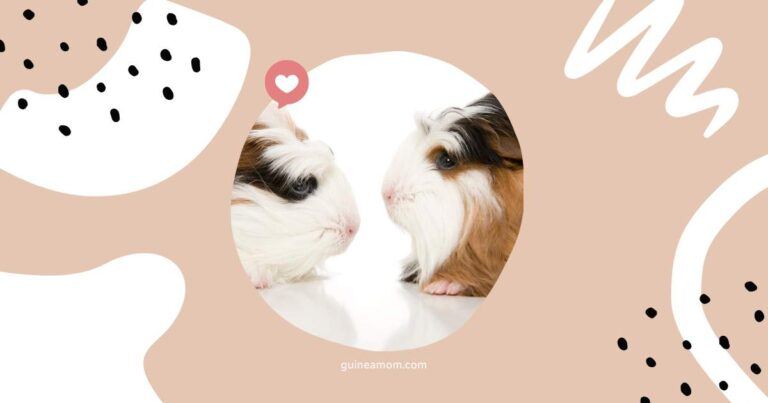
Guinea pigs get along best when they’re well matched. Personality matters — a pairing of one more dominant pig and one more easygoing one tends to be far more harmonious than two pigs who both want to be in charge. Sex matters too: same-sex pairs (or a neutered boar with a sow) avoid breeding, female pairs tend to be the easiest, and boar pairs need extra space and careful matching. And guinea pigs should only ever be paired with other guinea pigs — never rabbits.
If you’re choosing a companion, a rescue’s temperament-matching (“buddy dating”) service can help enormously. If two particular pigs simply have clashing personalities, sometimes the kindest solution is a better-matched companion.
Know Normal Dominance vs. Real Fighting
A big part of helping guinea pigs get along is not overreacting to normal behavior — because interrupting healthy hierarchy-sorting actually causes more problems.
Normal (leave them to it): rumbling and rumble-strutting, mounting, chin-raising, yawning, teeth chattering, chasing, and bottom-sniffing. This is just guinea pigs establishing or reaffirming their pecking order, and even the occasional minor nip is normal.
Real fighting (step in safely): both pigs rearing up face-to-face, lunging with intent, locking together in a “ball of fur,” or drawing blood with genuine bites. To separate fighting pigs, never use bare hands — throw a towel over them and use a dustpan or board, then give them time to calm down. Genuine, repeated fighting is a sign something’s wrong (often space, resources, hormones, or incompatibility) — not just normal bossiness.
Keep a Calm, Stable Environment
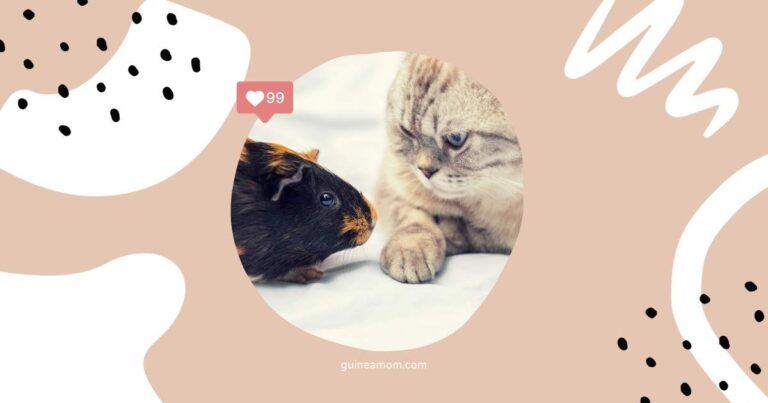
Guinea pigs are prey animals, and a stressful environment makes them tense and more prone to friction. Help them get along by keeping their home calm, quiet, and stable — away from predators (cats and dogs), loud noise, and constant disturbance, and with a predictable routine. Sudden changes and chronic stress can spark squabbling between pigs who’d otherwise be content, so a secure, settled environment supports a peaceful group.
When Pigs Who Got Along Start Squabbling
Sometimes companions who’ve lived together happily suddenly start bickering. Before worrying, look for a cause — it’s usually one of these:
- Too little space or a recent change to their setup.
- Competition over resources — check they have enough hideys, food, and water stations.
- Hormones — a sow in season, or a young pig hitting adolescence (around 3–5 months), may trigger a temporary flare-up of dominance as the hierarchy is re-tested. This usually settles on its own.
- A health problem — pain or illness can make a pig grumpy or change group dynamics, and older unspayed sows can develop ovarian cysts that cause behavioral changes. A pig whose behavior changes noticeably deserves a vet check, since guinea pigs hide illness.
Identify and address the trigger, and harmony usually returns. Persistent, escalating fighting despite good space and setup, though, may mean the pairing needs rethinking.
Signs Your Guinea Pigs Get Along Well
So what does success look like? Guinea pigs who get along happily will:
- Groom each other — a clear sign of trust and acceptance
- Rest and sleep near or beside each other
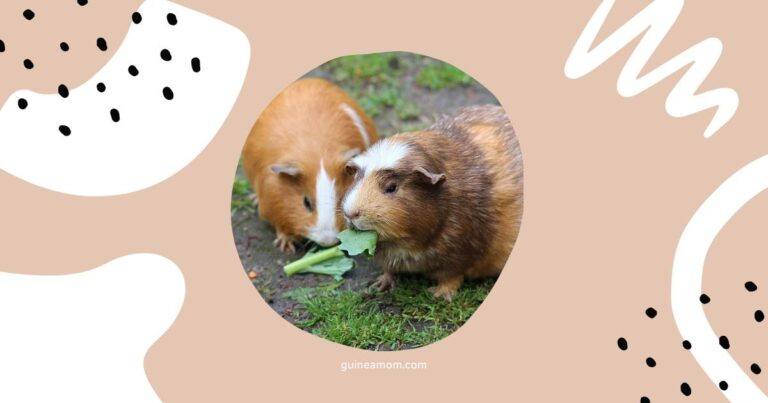
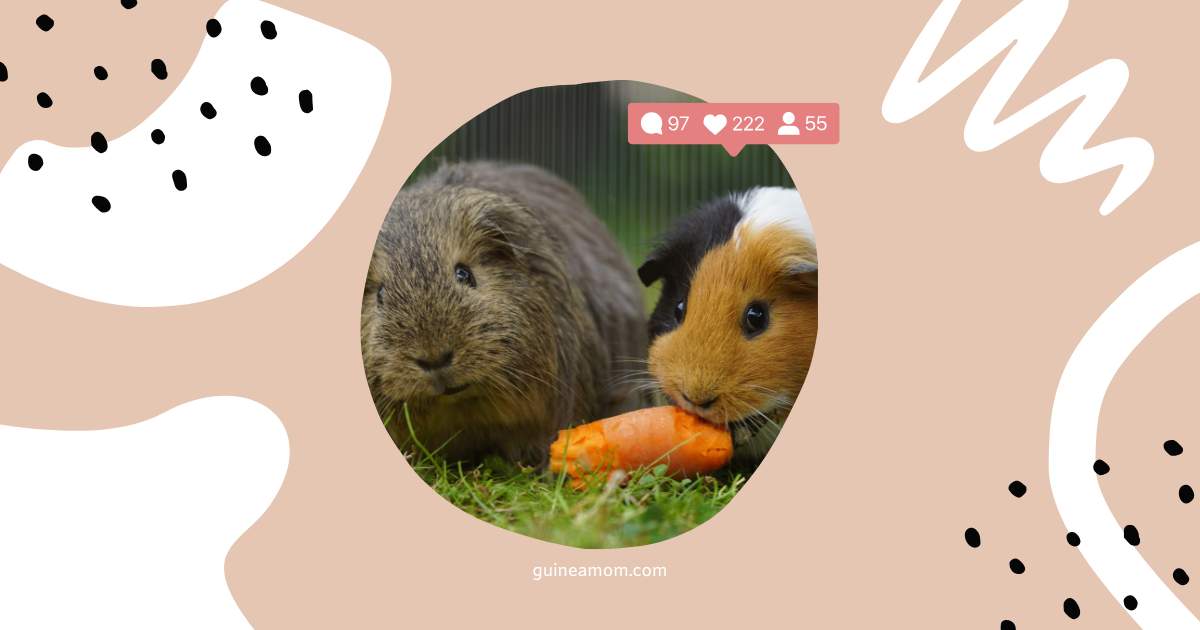
- Eat calmly together and share their space
- “Talk” to each other with contented chutts and purrs
- Popcorn and explore in a relaxed way
A bit of ongoing, low-level dominance (the odd rumble or reminder mount) is perfectly normal even in the closest pairs — it doesn’t mean they don’t get along.
If Two Guinea Pigs Really Can’t Get Along
Occasionally, despite everything, two particular guinea pigs simply aren’t compatible — most often two strongly dominant pigs. If serious fighting keeps happening despite plenty of space and resources, don’t force it, for the pigs’ sake. You can try a better-matched companion, or keep incompatible pigs in side-by-side cages with a shared barrier, so they still have the comfort of company without the conflict. A good rescue can help with matching and bonding. The aim is always for every pig to feel safe and content.
Key Takeaways
- Guinea pigs get along via a hierarchy — some dominance behavior is normal and necessary, not a problem to eliminate.
- Space is the biggest factor — cramped cages cause conflict, so bigger is always better.
- Provide duplicate resources — multiple two-exit hideys and food/water stations so there’s nothing to fight over.
- Choose compatible companions — match personalities (one dominant, one easygoing), use same-sex or neutered pairs, and never pair with rabbits.
- Don’t overreact to normal dominance (rumbling, mounting, chasing); only step in for real fighting, safely with a towel and dustpan.
- Keep the environment calm and stable — stress and disturbance spark squabbling.
- If peaceful pigs start bickering, check space, resources, hormones (season/adolescence), and health.
- Signs of harmony are grooming, resting together, and calm coexistence — and if two pigs truly can’t get along, try a better match or side-by-side living.
This article is intended as general educational information for guinea pig owners and is not a substitute for professional veterinary advice. If your guinea pigs fight seriously, are injured, or a pig’s behavior changes suddenly, separate them safely if needed and consult a qualified veterinarian or an experienced guinea pig rescue for guidance.