Guinea Pig Breed Health Issues
The health concerns linked to specific breeds and coat types — and why most problems aren’t breed-specific at all.
Here’s something many owners don’t realize: most serious guinea pig health problems affect all breeds equally — things like dental disease, respiratory infections, scurvy, and bladder stones don’t care what coat a pig has. Breed mainly matters in a few specific ways. Long-haired breeds are more prone to matting, soiled-rear hygiene problems (and the flystrike risk that comes with it), and overheating. Hairless breeds (Skinny Pig, Baldwin) are vulnerable to temperature extremes and skin problems. And a couple of coat varieties carry genuine genetic risks: Satin-coated pigs are prone to a serious bone disease, and breeding roan-to-roan or Dalmatian-to-Dalmatian can produce severely affected “lethal white” offspring. Understanding these breed-linked issues helps you care for your particular pig — and make responsible choices if you’re ever choosing or, especially, breeding one.
First, the Big Picture: Most Issues Aren’t Breed-Specific
Before diving into breed-linked concerns, it’s important to set expectations. The most common and most serious guinea pig health problems are universal — they affect every guinea pig regardless of breed.
Dental disease, respiratory infections, vitamin C deficiency (scurvy), urinary problems like bladder stones, digestive issues such as bloat and GI stasis, and skin parasites like mites can strike any pig, from a plain American to a fancy Texel. (We cover these in depth in our general guide to common guinea pig illnesses.) So choosing a particular breed won’t protect your pig from the big risks, and no breed is dramatically more “sickly” overall. Breed matters in specific, mostly coat-related ways — which is what the rest of this article focuses on.
Long-Haired Breeds: Hygiene and Heat
The flowing coats of breeds like the Peruvian, Silkie, Texel, Coronet, and Sheba are gorgeous, but they come with some breed-linked health considerations — almost all stemming from the coat itself.
Matting and skin problems. Long and curly coats tangle and mat easily, and tight mats can pull on the skin, trap moisture, and lead to skin irritation or infection underneath. Regular grooming is the main defense.
Soiled rear and flystrike risk. Long hair around the bottom readily becomes soiled with urine and droppings. Beyond being uncomfortable and unhygienic, a dirty, damp rear — especially in warm weather — raises the risk of flystrike, a serious condition where flies lay eggs on the soiled area. Keeping the rear clean and trimmed is essential.
Overheating. A heavy coat traps heat, and guinea pigs are already very heat-sensitive, so long-haired breeds can be more prone to overheating in warm conditions. Many owners trim the coat shorter to help.
Eye irritation. In breeds where hair grows toward or over the face (like the Peruvian), long hairs can irritate the eyes, so keeping the area trimmed and clean helps.
None of these are inevitable — they’re largely preventable with diligent grooming — but they’re the reason long-haired breeds need a committed owner.
Hairless Breeds: Skin and Temperature
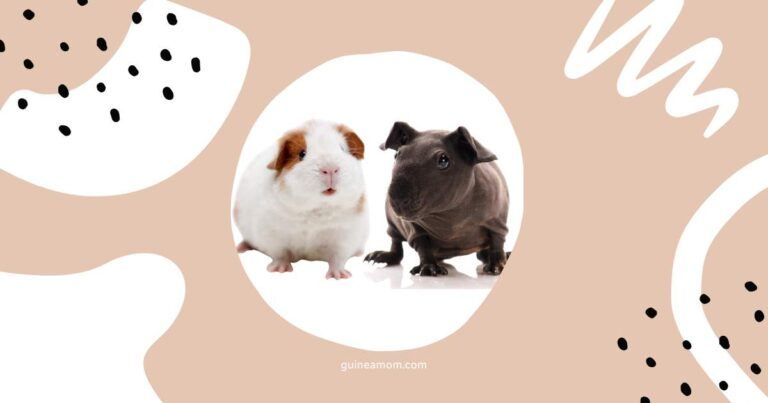
At the opposite extreme, the Skinny Pig and Baldwin face health considerations born of having little or no coat at all.
Temperature sensitivity. Without insulating fur, hairless pigs lose body heat quickly and are vulnerable to cold, while also being sensitive to heat. They need a warm, stable, draft-free environment, and careful attention in both winter and summer.
Skin vulnerability. Bare skin is more exposed to injuries, scratches, dryness, and irritation, and can sunburn with sun exposure — so protection from direct sun and regular skin checks matter. Any persistent skin changes warrant a vet’s attention.
Higher energy needs. Because they burn more energy staying warm, hairless pigs often eat more than coated breeds to maintain condition.
Hairless breeds can be healthy, delightful pets, but these added vulnerabilities mean they suit experienced, attentive owners who can meet their environmental needs.
Satin Breeds and Bone Disease (Osteodystrophy)
This is one of the most significant genuinely breed-linked health issues, and it’s important for anyone considering a Satin guinea pig to know about.
Satin refers to a coat variety with a distinctive glossy, almost glassy sheen, caused by a structural difference in the hair shaft. Unfortunately, Satin-coated guinea pigs are predisposed to a serious bone condition often called osteodystrophy (sometimes “Satin syndrome”), in which the bones fail to maintain proper mineral balance. This can lead to weakened, painful bones, fractures, dental problems, and difficulty eating, and it’s a progressive, distressing condition.
Because of this well-recognized link, the Satin coat is a real ethical and welfare consideration, and many welfare-minded people advise caution around breeding Satins. If you have or are considering a Satin pig, it’s worth being aware of the condition and working closely with a knowledgeable vet to monitor their health.
Roan, Dalmatian, and “Lethal White” Genetics
Another important breed-linked issue is genetic and relates specifically to breeding certain patterns — knowledge that matters greatly for anyone who might breed guinea pigs.
Roan (colored hairs mixed evenly with white) and Dalmatian (spotted) patterns are associated with a particular gene. When two pigs that both carry this pattern are bred together — roan to roan, or Dalmatian to Dalmatian — a proportion of the offspring can be born severely affected, often called “lethal whites.” These pups are frequently born largely white and may be blind, deaf, and have dental and digestive abnormalities, with serious welfare consequences.
The practical takeaway is clear: roan and Dalmatian-patterned guinea pigs should never be bred to each other. This is a key reason responsible breeding requires real knowledge of genetics — and a strong argument for leaving breeding to those who have it, or simply adopting rather than breeding at all.
The Hardier, Lower-Risk Breeds
By contrast, the short-haired breeds — the American (English), Teddy, Rex, and similar — don’t carry the same coat-related complications. Their easy-care coats mean fewer hygiene and heat issues, and (provided they’re not also a Satin or bred from clashing patterns) they aren’t predisposed to the specific genetic conditions above.
That doesn’t make them immune to the universal guinea pig health problems — every pig still needs the same preventive care — but it does make these breeds a sensible, lower-maintenance starting point for many owners, especially first-timers.
The Issues Every Breed Shares
It’s worth restating, because it’s so important: whatever breed you have, your pig still needs protecting from the common health problems that affect all guinea pigs. These include dental disease, respiratory infections, scurvy (from inadequate vitamin C), bladder stones and urinary issues, digestive problems like bloat and GI stasis, and skin parasites. Good universal care — a hay-based diet with daily vitamin C, a clean and suitable environment, companionship, and regular health monitoring — is the foundation of health for every breed, fancy-coated or plain.
When to See a Vet
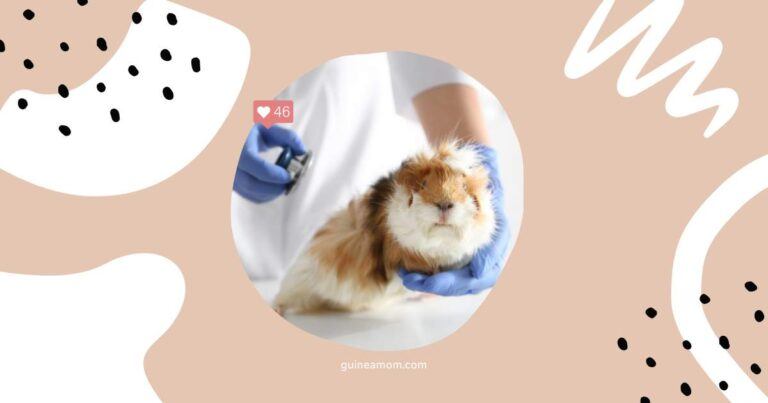
Regardless of breed, see a vet promptly if you notice signs of illness — not eating, lethargy, weight loss, breathing difficulty, or changes in droppings or urination. For breed-specific concerns, also seek veterinary advice for persistent skin problems or soiling in long-haired and hairless pigs, any signs of pain, difficulty moving, or dental trouble in a Satin pig, and any health questions about breeding or genetics. Finding a vet experienced with guinea pigs (an exotic or small-animal specialist) is especially valuable for managing breed-linked conditions.
Key Takeaways
- Most serious health problems affect all breeds — dental disease, respiratory infections, scurvy, and bladder stones aren’t breed-specific.
- Long-haired breeds are more prone to matting, soiled-rear hygiene problems (and flystrike risk), overheating, and sometimes eye irritation — largely preventable with grooming.
- Hairless breeds (Skinny Pig, Baldwin) are vulnerable to temperature extremes, skin injuries, and sunburn, and need extra environmental care.
- Satin-coated pigs are predisposed to a serious bone disease (osteodystrophy / “Satin syndrome”), an important welfare consideration.
- Roan and Dalmatian patterns carry a genetic risk — breeding two together can produce severely affected “lethal white” offspring, so they should never be bred to each other.
- Short-haired breeds carry fewer coat-related complications and are a lower-maintenance choice.
- Every breed shares the universal risks, so good preventive care matters regardless of coat.
- See a guinea-pig-savvy vet for both general illness and any breed-linked concerns.
This article is intended as general educational information for guinea pig owners and is not a substitute for professional veterinary advice. Breed-linked health conditions and genetics can be complex; for guidance on a specific breed, a health concern, or any questions about breeding, please consult a qualified veterinarian experienced with guinea pigs.