Best Guinea Pig Breeds For Beginners
The easiest, most forgiving breeds for first-time owners — and why breed matters less than you’d think.
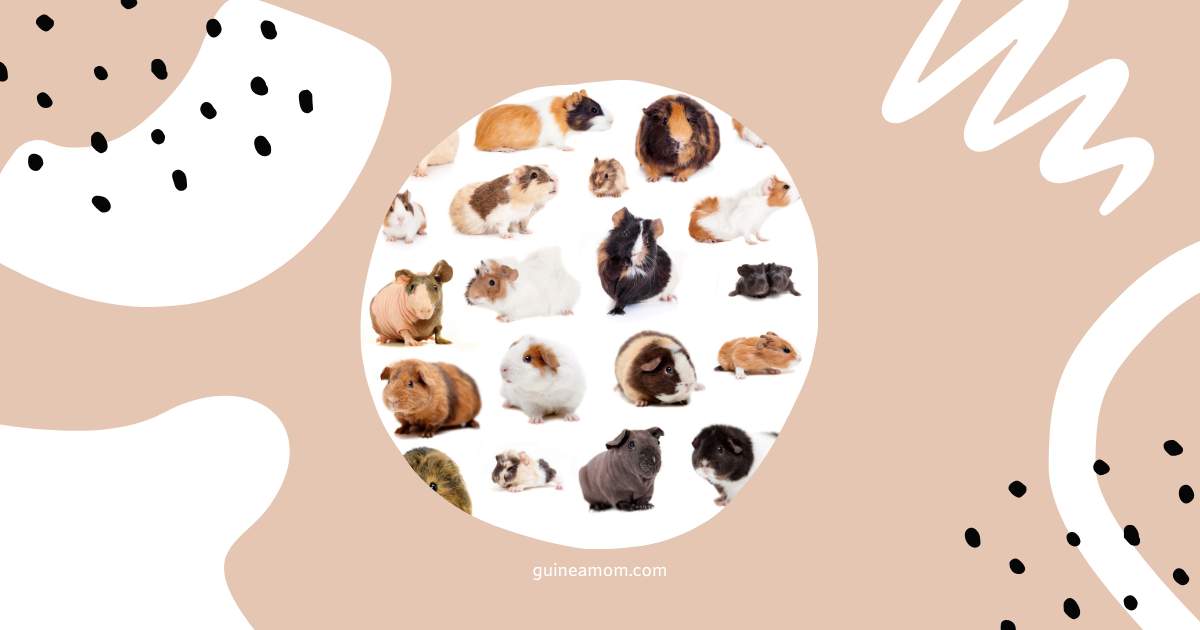
If you’re a first-time guinea pig owner, the best breeds to start with are the hardy, low-maintenance, short-haired ones — above all the American (English), the Teddy, and the Rex. They have easy-care coats that don’t need daily grooming, they’re widely available, and they let you focus on learning the basics of guinea pig care rather than wrestling with high-maintenance fur. As a beginner, it’s best to avoid the long-haired breeds (Peruvian, Silkie, Texel), which need daily grooming, and the hairless breeds (Skinny Pig, Baldwin), which need special care. But here’s the most important thing to know: for a beginner, the breed is honestly the least important decision you’ll make. Getting a companion (guinea pigs need a friend), committing to the daily care, and adopting a healthy, calm pig matter far more than which breed you choose.
What Makes a Breed “Beginner-Friendly”?
Before naming breeds, it helps to know what we’re actually looking for in a good starter pig. A beginner-friendly breed is one that lets you learn the ropes of guinea pig care without piling on extra difficulty. In practice, that means:
- A low-maintenance coat. Short hair that needs only occasional brushing, not daily detangling or trimming.
- A hardy, robust nature. No special environmental or skin needs to manage from day one.
- Wide availability. Easy to find through rescues and breeders, so you’re not hunting down a rare variety.
- No special-care requirements. Nothing that demands experience you don’t have yet.
Notice what’s not on that list: temperament by breed. That’s deliberate — because, as we’ll see, personality depends on the individual pig, not the breed. With those criteria in mind, here are the best starter breeds.
The Best Breeds for Beginners
The American (English)
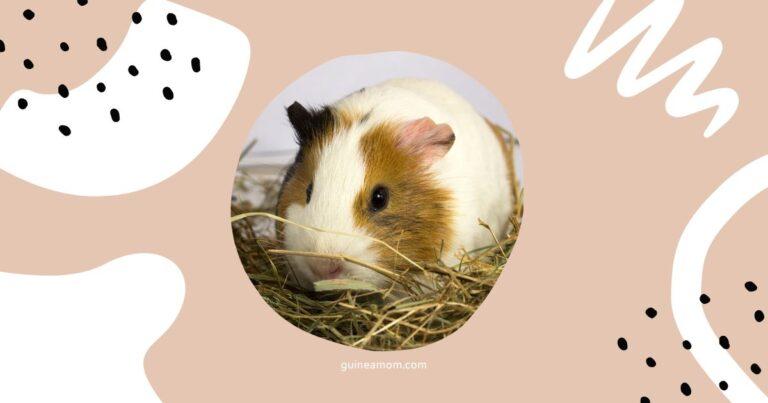
If there’s a perfect beginner guinea pig, it’s the American — known as the English in some countries. This is the classic short-haired guinea pig: a smooth, glossy coat that needs minimal grooming, a sturdy build, and easy availability in just about every color and pattern.
There’s nothing complicated to manage, which lets a new owner focus on the fundamentals — diet, handling, bonding, and daily care. It’s the most popular breed for good reason, and a wonderful first pig.
The Teddy
The Teddy is another excellent starter breed. Its dense, plush, slightly kinky coat looks adorable (hence the teddy-bear name) but is surprisingly low-maintenance — no long hair to tangle or trim. Teddies are also robust little pigs with an endearing upturned nose.
You get a lot of cuteness without a grooming burden, making the Teddy a great choice for a first-timer who wants a fluffier look without the work of a long-haired breed.
The Rex
Closely resembling the Teddy, the Rex has a short, dense, woolly coat that’s equally easy to care for. Like the Teddy, it offers a soft, plush appearance with none of the demanding upkeep of the long-haired breeds.
For a beginner, the Rex is a safe, low-fuss choice — a sturdy pig with a lovely coat that asks very little in the grooming department.
A note on other short-haired breeds
Breeds like the Himalayan (with its color-pointed markings) and the White Crested (with its single forehead crest) also have easy short coats and can suit beginners well. The key theme across all of these is the same: short coat, low maintenance, hardy. Any of them makes a sensible starting point.
Breeds to Approach With Caution as a Beginner
Just as useful is knowing which breeds to leave until you’ve got some experience.
Long-haired breeds — the Peruvian, Silkie, Texel, Coronet, Sheba, and similar — are beautiful, but their flowing coats demand daily brushing, regular trimming, and extra hygiene care around the rear. That’s a lot to take on while you’re still learning the basics, and a neglected long coat quickly leads to painful matting and hygiene problems.
Hairless breeds — the Skinny Pig and Baldwin — are charming but need careful management of warmth, sun protection, and skin health, plus they tend to eat more to stay warm. These special requirements make them a poor fit for a true first-timer.
None of these are off-limits forever — plenty of experienced owners adore them — but they’re better as a second or third pig once you’ve found your feet.
The Most Important Truth for Beginners: Breed Matters Least
Here’s the part most “best breeds for beginners” articles bury, but it deserves top billing: as a beginner, the breed you choose is the least important decision you’ll make. Far more important are the things that apply to every guinea pig, whatever its coat.
- Guinea pigs need a companion. They’re social herd animals, so the single biggest thing you can do for a happy pig is get two (a bonded pair), not one. This matters infinitely more than breed.
- The daily care is the real commitment. Unlimited hay, daily vegetables and vitamin C, fresh water, regular cleaning, and access to a guinea-pig-savvy vet — for several years. Being ready for this is what makes a successful owner.
- Temperament is individual. No breed is reliably calmer or friendlier than another, so a pig’s personality comes down to the individual animal and how it’s socialized — not its breed label.
- Setup matters. A spacious cage, safe bedding, hidey-houses, and a calm location set you and your pig up for success regardless of breed.
So by all means pick an easy-care breed — it genuinely helps — but don’t agonize over it. Nail the companionship, the care, and the setup, and you’ll be a great beginner owner with almost any breed.
Beginner Buying and Adoption Tips
A few final pointers to start off on the right foot:
- Consider adopting from a rescue. Rescue pigs are often already socialized and health-checked, and staff can help match you with a calm, healthy, beginner-friendly pig — frequently as a ready-bonded pair, which solves the companionship question instantly.
- Get a pair, not a single pig. It’s the kindest choice, and bonded pigs are often calmer and more confident.
- Choose a healthy pig. Look for bright eyes, clean ears and nose, a tidy rear, smooth breathing, a good body condition, and alert, active behavior.
- Meet them first if you can. Since temperament is individual, spending a little time with a pig (or letting rescue staff guide you) helps you find a calm, well-handled one.
Get those right, pick an easy-care breed you love the look of, and you’re set for a wonderful start to guinea pig ownership.
Key Takeaways
- The best beginner breeds are hardy and low-maintenance — above all the American (English), Teddy, and Rex, with other short-haired breeds (Himalayan, White Crested) also suitable.
- Beginner-friendly means an easy short coat, a robust nature, wide availability, and no special-care needs.
- Approach long-haired breeds with caution (daily grooming) and hairless breeds too (special warmth and skin care) until you have more experience.
- Breed matters least of all for a beginner — the big factors are companionship, daily care, setup, and the individual pig’s temperament.
- Guinea pigs need a companion — getting a bonded pair is far more important than which breed you pick.
- Temperament is individual, not breed-based — no breed is reliably friendlier.
- Adopt if you can, get a pair, choose a healthy pig, and meet them first to find a calm one.
This article is intended as general educational information for prospective guinea pig owners. Guinea pigs are a multi-year commitment requiring companionship, proper housing, a hay-based diet, and veterinary care. Please consider adopting from a rescue, and consult a qualified veterinarian for care guidance.