Guinea Pig Safe Treats: A Quick-Reference Checklist
A fast “can my guinea pig eat this?” guide — safe, in moderation, or never
The safest treats for guinea pigs are fresh, natural foods in small portions — and this article is built as a quick checklist so you can look something up fast. In short: many vegetables and herbs (like bell pepper, cucumber, leafy lettuce, and cilantro) are safe as regular treats; most fruits and certain veggies (apple, strawberry, carrot, broccoli, kale) are fine only in moderation because of sugar, calcium, acidity, or gas; and a clear list of foods — chocolate, onion, garlic, avocado, rhubarb, potato, dairy, and sugary shop-bought treats — should be given never. Always introduce new foods slowly, keep portions small, and when a food isn’t on a list or you’re unsure, leave it out and check with your vet. Use the tables below as your at-a-glance reference.
How to Use This Checklist
To keep things simple, every treat falls into one of three buckets:
✅ Safe — fine to offer regularly, in sensible portions, as part of the daily fresh-food allowance.
⚠️ In moderation — okay occasionally and in small amounts (a few times a week at most), usually because the food is high in sugar, calcium, acidity, or tends to cause gas.
❌ Never — toxic, harmful, or simply unsuitable for a guinea pig’s digestive system. Don’t feed these at all.
A few rules apply to everything below: hay always comes first (treats are extras, never a meal), portions stay small, introduce new foods one at a time and slowly, and wash all fresh produce. With that, here are the lists.
✅ Safe Treats (Fine Regularly)
These fresh foods are safe to offer regularly in normal, small portions — they form the backbone of healthy guinea pig treating.
| Treat | Notes |
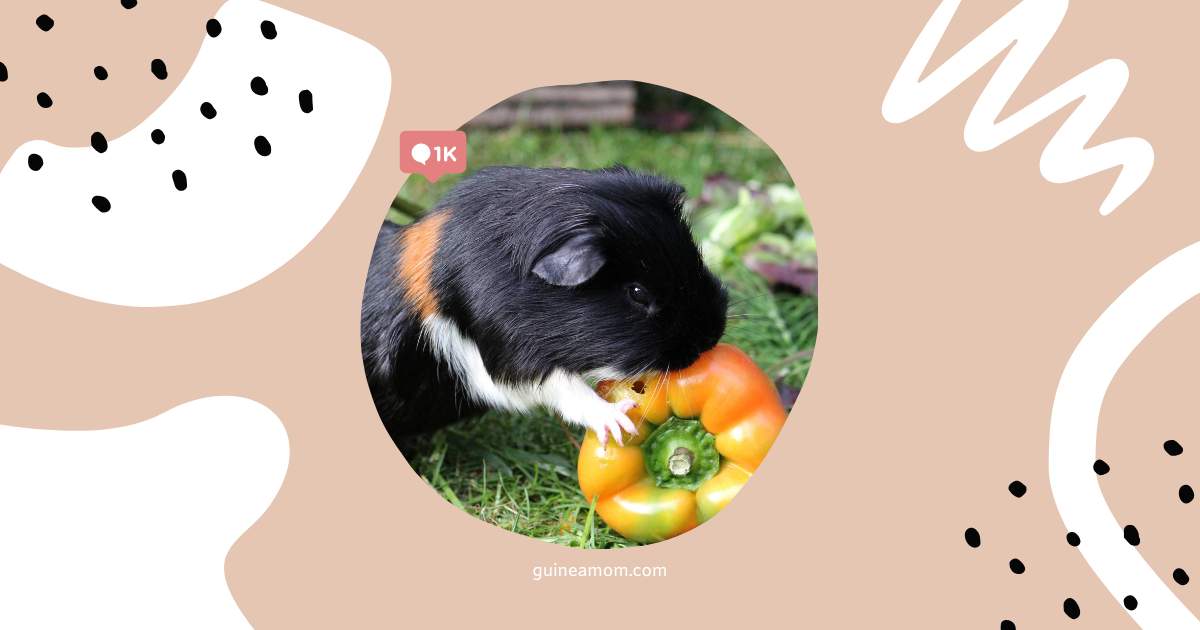
| Bell pepper (all colors) | A top choice — high in vitamin C and low in sugar |
| Cucumber | Hydrating and mild; light on nutrients, so pair with leafier foods |
| Leafy lettuces (romaine, green leaf, red leaf, butterhead) | Great daily greens — avoid iceberg (see below) |
| Cilantro / coriander | Nutritious, vitamin-C-rich, and usually a big favorite |
| Basil | Aromatic and well-loved |
| Courgette / zucchini | Mild and easy to digest |
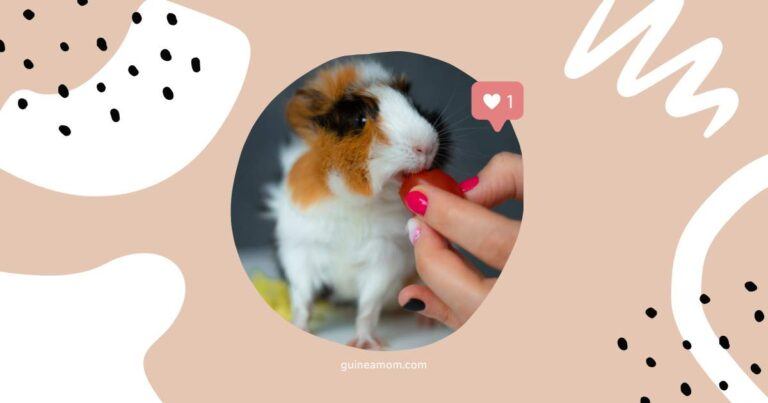
| Ripe tomato (flesh only) | Small amounts only — never the leaves or stems |
| Carrot tops (the leafy greens) | A healthy green — note the carrot root is moderation-only |
| Fresh grass (hand-picked) | Lovely and natural — never lawnmower clippings |
⚠️ Treats to Give in Moderation (Occasional, Small Amounts)
These are safe in small portions a few times a week, but not every day — usually because of sugar, calcium, acidity, or a tendency to cause gas.
| Treat | Why moderation |
| Apple (no seeds) | Sugary; always remove the pips, which aren’t safe |
| Strawberry | Sweet but vitamin-C-rich; a small slice is plenty |
| Blueberry | Sugary; one or two at a time |
| Banana | High in sugar/starch; can cause constipation if overfed |
| Orange | Good vitamin C but acidic — small amounts only |
| Kiwi / melon / pear | Sugary fruits; small, occasional portions (remove pear seeds) |
| Grapes / cherries | Sugary; halve grapes and remove pips/pits (choking risk) |
| Carrot (root) | Higher in sugar than many realize — an occasional treat |
| Spinach, kale, chard | Nutritious but high in calcium/oxalates — feed sparingly |
| Parsley, dill, mint | Lovely herbs, but parsley is high in calcium and some herbs are strong-flavored |
| Broccoli, cauliflower, cabbage, Brussels sprouts | Can cause gas and bloating — small amounts, not daily |
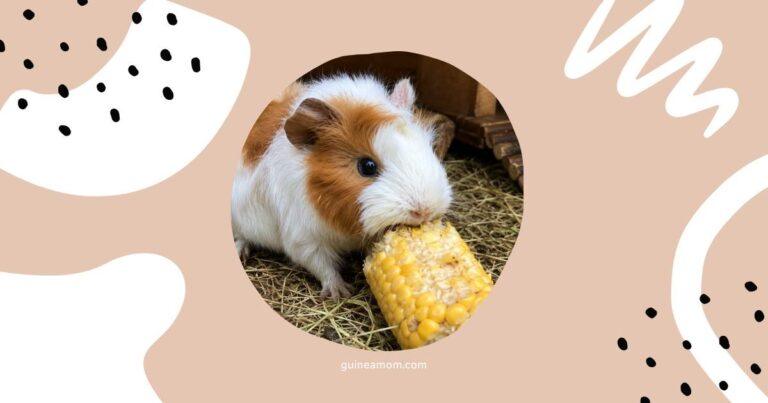
| Corn kernels / peas | Starchy and sugary — small portions |
| Celery | Fine if chopped small to avoid stringy choking |
| Dandelion greens | Loved and nutritious, but high in calcium — in moderation |
❌ Never Feed These
These foods are toxic, harmful, or simply unsuitable, and should never be given to a guinea pig.
| Never feed | Why |
| Chocolate | Toxic (contains theobromine and caffeine) |
| Onion, garlic, leek, chives, spring onion | The allium family can damage red blood cells |
| Potato (and peel, green parts, sprouts) | Contains toxic solanine |
| Tomato leaves, stems, unripe green tomato | Toxic (solanine) — only ripe flesh is safe |
| Rhubarb (and leaves) | Toxic (high in oxalic acid) |
| Avocado | Toxic and very high in fat |
| Mushrooms | Best avoided entirely |
| Nuts and seeds | Too high in fat; seeds/pips are a choking hazard |
| Iceberg lettuce | Causes diarrhea and offers almost no nutrition |
| Bread, pasta, rice, cereal, crackers | Starchy, processed, and unsuitable |
| Dairy (milk, cheese, yogurt) | Guinea pigs can’t digest dairy |
| Meat and animal products | Guinea pigs are strict herbivores |
| Chips, sweets, salty/processed human snacks | Harmful junk food |
| Sugary shop treats (yogurt drops, honey/seed sticks) | High in sugar/fat — widely sold but genuinely bad |
| Caffeine and alcohol | Toxic in any amount |
| Lawnmower clippings | Ferment fast and can cause dangerous bloat |
| Other animals’ food (rabbit, hamster, cat, dog) | Lacks vitamin C and contains unsuitable ingredients |
| Very acidic citrus (lemon, lime, grapefruit) | Too acidic — can upset the tummy and mouth |
| Toxic plants & bulbs (daffodil, tulip, lily, buttercup, foxglove, etc.) | Poisonous — only offer plants you can identify as safe |
A Few Golden Rules for Treating Safely
The lists above tell you what is safe; these habits keep treating safe in practice:
- Hay first, always. Treats are extras on top of a hay-based diet — they never replace it.
- Keep portions tiny. A strip of pepper, a single berry, a sprig of herbs.
- Mind the frequency. Safe veg treats can feature daily; fruit and sugary or gassy foods only a few times a week.
- Introduce slowly. Add one new food at a time and watch for soft stools before offering more.
- Wash everything, and remove uneaten fresh food after a few hours so it doesn’t spoil.
- Skip the sugary shop treats in favor of fresh, natural options.
- When in doubt, leave it out — and check with your vet about any food not on these lists.
What to Do If Your Guinea Pig Eats Something Unsafe
If your pig eats something from the “never” list — or something you’re unsure about — contact your vet promptly, noting what and roughly how much they ate. Keep your pig calm with access to hay and fresh water, and watch closely for signs of trouble such as not eating, lethargy, bloating, drooling, or changes in their droppings. Don’t attempt home remedies; let your vet guide you. With genuinely toxic foods, quick advice gives your pig the best outcome.
Key Takeaways
- Safe treats are fresh, natural foods in small portions — use the three lists (safe / moderation / never) as a quick reference.
- ✅ Safe regularly: bell pepper, cucumber, leafy lettuces, cilantro, basil, courgette, ripe tomato flesh, carrot tops, hand-picked grass.
- ⚠️ In moderation: most fruit (apple, strawberry, blueberry, banana, orange), carrot, high-calcium greens (spinach, kale, parsley), gassy veg (broccoli, cabbage, cauliflower), corn, celery, and dandelion.
- ❌ Never: chocolate, onion/garlic family, potato, tomato leaves/stems, rhubarb, avocado, mushrooms, nuts/seeds, iceberg lettuce, bread and processed foods, dairy, meat, sugary shop treats, lawn clippings, and toxic plants.
- Hay always comes first, and treats are small extras.
- Introduce new foods slowly, wash produce, and watch for digestive upset.
- When unsure, leave it out and ask your vet — and seek prompt advice if your pig eats something toxic.
This article is intended as general educational information for guinea pig owners and is not a substitute for professional veterinary advice. These lists are not exhaustive; if a food isn’t listed or you’re unsure whether it’s safe, leave it out and consult a qualified veterinarian. If you believe your guinea pig has eaten something toxic, contact your vet right away.