Guinea Pig Smell Sense: How Powerful Is It?
Smell is your piggy’s superpower — here’s how they use it to find food, mark territory, and recognize you.
Smell is a guinea pig’s strongest and most important sense — far more powerful than their eyesight, and central to how they experience the world. Guinea pigs have roughly twice as many olfactory (smell) genes as humans, letting them detect scents we can’t perceive at all. They use their smell sense constantly: to find food (including food they can’t see, thanks to a blind spot right under their nose), to recognize you by your personal scent, to identify other guinea pigs, to mark territory using several scent glands, and to detect danger — a vital prey-animal survival tool. The practical takeaway for owners: because their noses are so sensitive, avoid strong artificial scents (perfumes, scented cleaners, air fresheners) around your pigs, as these can irritate them and their delicate airways. Here’s a full look at this remarkable sense.
How Good Is a Guinea Pig’s Sense of Smell?
Very good indeed — smell is widely considered a guinea pig’s most developed sense, and their primary way of understanding their surroundings. While their eyesight is famously poor, their nose more than makes up for it.
The scientific angle is interesting: smell perception depends on olfactory receptor genes, and studies indicate guinea pigs have around 796 of them, compared with roughly 396 in humans — about double our number. More olfactory genes means the ability to detect and distinguish a far wider range of scents than we can.
One honest note: you’ll see all sorts of claims online about exactly how much better a guinea pig’s nose is than ours — some sources say 25 times, others claim 1,000 times. These figures vary wildly and aren’t well-established, so treat any specific multiplier with skepticism. What is well-supported is the meaningful part: guinea pigs smell far better than we do, detecting odors we’re completely unaware of.
Why Smell Matters So Much to Guinea Pigs
Their reliance on smell makes perfect sense once you consider two things:
They’re prey animals. In the wild, guinea pigs needed to detect predators before seeing them — smelling danger from a distance could save their lives. A sharp nose, combined with excellent hearing, formed an early-warning system that their weak eyesight couldn’t provide.
They needed to find food. Wild guinea pigs foraged for vegetation, and scent helped them locate food at a distance and identify what was safe to eat.
Their eyesight is limited. Guinea pigs see poorly in detail and have a blind spot directly in front of their nose — so they genuinely can’t see food right under their face. Smell (along with their whiskers) fills the gap.
What Guinea Pigs Use Their Sense of Smell For
Here’s how that powerful nose gets used every day:
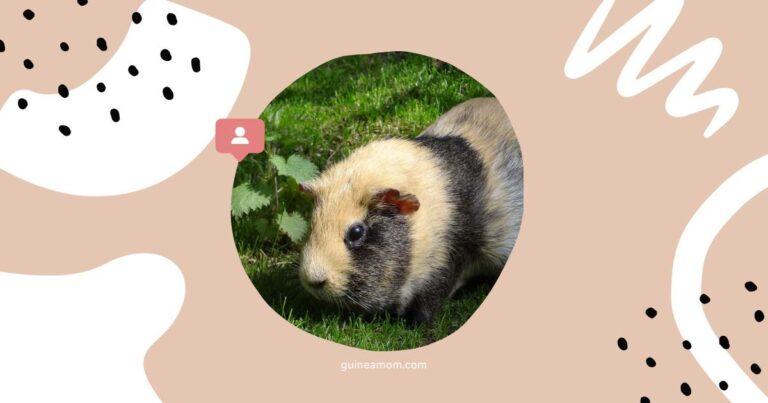
Finding food. This is the big one. Guinea pigs sniff out food they can’t see, and often sniff a new food carefully before eating it — checking whether it’s familiar and safe. If your pig seems to inspect a new veggie with their nose before committing, that’s completely normal, sensible caution.
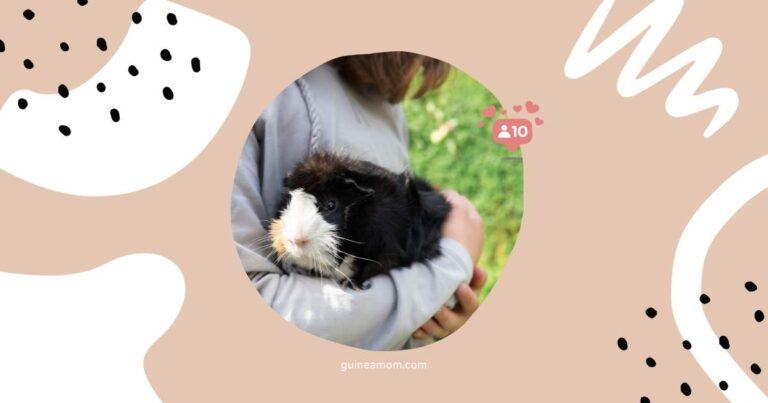
Recognizing you. Guinea pigs identify their owners largely by scent — your unique personal smell. When you handle them regularly, they learn your scent and come to associate it with safety, food, and comfort. It’s a big part of how they know you from a stranger.
Identifying other guinea pigs. Scent tells pigs who’s who — recognizing cage mates, family members, and strangers. This is why scent-swapping (exchanging bedding between cages) is such an important step when introducing two guinea pigs: it lets them get familiar before they ever meet.
Marking territory and communicating. Guinea pigs actively leave scent messages for each other (see the glands below).
Detecting danger. That prey-animal instinct remains — an unfamiliar or alarming smell (like a cat or dog) can put a guinea pig on high alert.
Navigating. Combined with their memory, scent helps guinea pigs find their way around their environment, including in the dark, when their poor night vision isn’t much help.
Guinea Pig Scent Glands: How They Leave Messages
Guinea pigs don’t just detect scent — they actively produce it, using several scent glands to communicate:
- The grease gland — located near the base of the spine (just above where a tail would be). Guinea pigs, especially boars, secrete an oily substance here and drag their rear across surfaces to mark territory. This gland is much more active in males, which is why they can smell a bit stronger and need occasional cleaning of the area.
- Chin and cheek glands — used for rubbing against objects and cage mates, marking things as familiar and safe.
- Perineal (rear) and foot glands — leaving scent as they move about, laying down scent trails.
You’ll see this behavior often: a pig rubbing their chin on a new hidey, or dragging their bottom along the cage floor after you’ve cleaned it. They’re not being odd — they’re re-labeling their home as theirs. (This is also why leaving a little of their old bedding after a clean helps: the familiar scent is already there, so they feel less need to re-mark.)
Scent also plays a role in breeding — males produce a distinctive odor when ready to mate, which females can detect but humans can’t.
Wondering whether guinea pigs smell bad? See Do Guinea Pigs Smell?
Are Guinea Pigs Sensitive to Smells?
Yes — and this is the most practical takeaway for owners. Because their sense of smell is so acute, guinea pigs are easily overwhelmed and irritated by strong artificial scents. Things that barely register to us can be genuinely unpleasant (and even harmful) to them.
Combined with their sensitive respiratory systems, strong scents can cause irritation and contribute to breathing problems. So keep these away from your guinea pigs:
- Perfume, cologne, and heavily scented body products
- Scented cleaning products (use plain vinegar and water for the cage instead)
- Air fresheners, plug-ins, scented candles, and sprays — never use these to mask cage odor; clean the cage instead
- Scented or dyed bedding
- Strongly fragranced laundry detergent on fleece (use unscented, and skip fabric softener)
- Cedar and pine shavings, whose aromatic oils are harmful
- Strong kitchen fumes and smoke
A neutral, fresh-smelling environment is genuinely kinder to a guinea pig’s nose.
Using Their Nose to Bond With Your Guinea Pig
You can put their smell sense to work in building your relationship:
- Let them sniff your hand before you pick them up, so they know it’s you (especially important given their blind spot and poor eyesight).
- Avoid heavily scented hand products before handling — strongly perfumed soap or lotion can mask your natural scent, the very thing they recognize you by.
- Leave a worn item (like a T-shirt or a piece of fleece with your scent) near their cage to help them get familiar with you.
- Use scent-swapping when introducing a new guinea pig, so they get used to each other’s smell before meeting.
- Hand-feed treats, so your scent becomes strongly associated with good things.
Key Takeaways
- Smell is a guinea pig’s strongest sense — far more important to them than sight.
- They have roughly twice as many olfactory genes as humans (~796 vs ~396), detecting scents we can’t; be skeptical of specific “X times better” claims online, which vary wildly.
- They rely on smell because they’re prey animals with poor eyesight — including a blind spot right under their nose.
- They use smell to find and check food, recognize you, identify other guinea pigs, mark territory, detect danger, and navigate.
- They have several scent glands — the grease gland (most active in boars), chin/cheek glands, and perineal/foot glands — used to mark territory and communicate.
- They’re very sensitive to artificial scents — keep perfumes, scented cleaners, air fresheners, scented bedding, and strong detergents away from them.
- Use scent to bond — let them sniff your hand, avoid perfumed hand products, and use scent-swapping when introducing new pigs.
This article is intended as general educational information for guinea pig owners and is not a substitute for professional veterinary advice. If your guinea pig shows signs of respiratory irritation or illness, consult a qualified veterinarian experienced with guinea pigs.