
Guinea Pig Socializing Mistakes
The common missteps that set back trust and harmony — and how to avoid them
Most guinea pig socializing problems come down to a handful of avoidable mistakes. With people, the big ones are rushing the bonding process, approaching like a predator (grabbing from above, chasing, cornering), ignoring a pig’s “I’ve had enough” signals, handling them unsafely, and giving up too soon. With other guinea pigs, the classic errors are keeping a pig alone, choosing the wrong companion, introducing them on existing territory, over-intervening in normal dominance behavior, and not providing enough space and resources. Almost all of these stem from forgetting one thing: guinea pigs are timid, social prey animals who need patience, safety, and the right setup. Avoid these mistakes and socializing — both with you and with their own kind — becomes dramatically smoother.
Why Socializing Goes Wrong
Before the specific mistakes, it’s worth understanding the root cause of most of them. Guinea pigs are prey animals and herd animals at the same time. That means they’re naturally cautious and easily frightened, and they have rich, structured social lives with other pigs.
Nearly every socializing mistake happens when we accidentally work against one of those two truths — by moving too fast for a nervous prey animal, or by misreading the natural social dynamics between pigs. Keep both in mind, and the fixes below will make intuitive sense.
We’ll split the mistakes into two groups: those made when bonding with you, and those made when socializing pigs with each other.
Mistakes When Bonding With People
1. Rushing the process
By far the most common mistake is wanting too much, too soon. Scooping up a brand-new pig for long cuddles before they’ve settled in overwhelms them and teaches fear instead of trust. New pigs need several quiet days just to adjust before much handling begins, and trust is built in small steps over days and weeks — not in a single afternoon.
2. Approaching like a predator
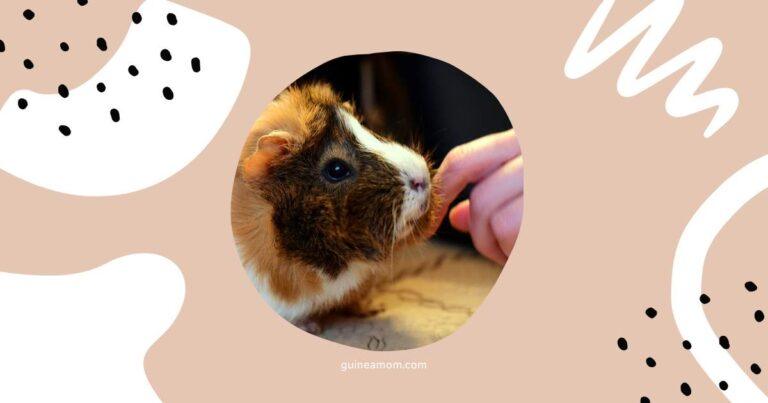
To a prey animal, a hand swooping down from above looks like a bird of prey, and being chased around the cage is genuinely terrifying. Grabbing from overhead, cornering a pig to catch them, or chasing them down all trigger deep survival instincts and undo your progress. Instead, move slowly, approach low and from the side, and let your pig come to you.
3. Ignoring their signals
Guinea pigs clearly tell us when they’ve had enough — persistent wriggling, head tossing, teeth chattering, freezing, or trying to hide. Pushing past these cues and forcing continued interaction breaks down trust. Honoring “I’ve had enough” by calmly returning your pig to their home is one of the most powerful trust-building things you can do, even though it feels counterintuitive.
4. Unsafe handling
Holding a pig without supporting their back end, or lifting them up high, risks both injury and fear. A sudden leap from height can seriously hurt a guinea pig. Always use two hands, fully support the chest and hindquarters, hold them close to your body, and stay low to the ground.
5. Expecting instant trust and giving up too soon
Some owners conclude their pig “just doesn’t like people” after a week or two. But guinea pigs are individuals — some take weeks or even months to fully relax, and that’s normal, not failure. Inconsistency makes it worse; sporadic, unpredictable interaction never lets trust build. The fix is patient, gentle, consistent routine.
6. Scolding or “punishing”
Guinea pigs don’t understand punishment, and reacting with frustration, loud noises, or rough handling only frightens them and damages the bond. They respond to positive associations — calm voices, gentle hands, healthy treats — not discipline. Always build trust through reward and patience, never correction.
Mistakes When Socializing Pigs With Each Other
1. Keeping a guinea pig alone
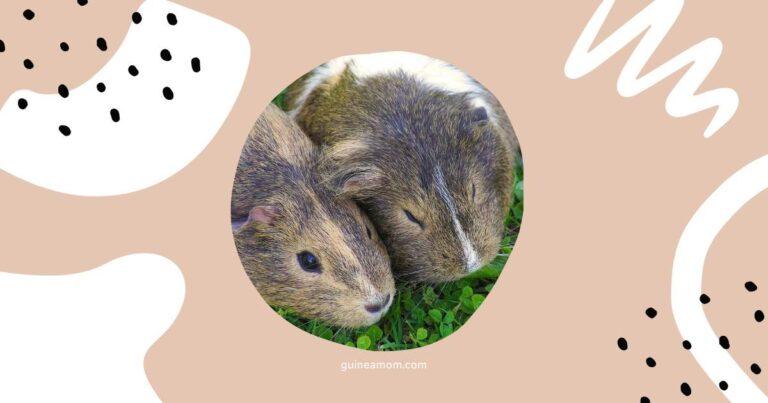
This is the single biggest social mistake. Guinea pigs are herd animals who generally thrive with the company of their own kind, and a solitary pig can become lonely, bored, and withdrawn. No amount of human attention fully replaces a piggy friend. Wherever possible, guinea pigs should live with at least one compatible companion.
2. Choosing the wrong companion
Two mistakes hide in here. The first is pairing a guinea pig with the wrong species — most importantly rabbits, which can injure pigs, have different needs, and don’t share their social language. Guinea pigs should be paired only with other guinea pigs. The second is ignoring personality: putting two strongly dominant pigs together, for instance, often causes more friction than pairing a bold pig with an easygoing one. Many rescues offer temperament-based matching to get this right.
3. Introducing them on existing territory
Putting a new pig straight into another pig’s established cage is asking for territorial conflict. Introductions go far better on neutral ground that neither pig considers theirs, followed by a thoroughly cleaned and ideally rearranged enclosure so it feels like shared space rather than one pig’s claimed turf.
4. Over-intervening in normal dominance behavior
Many owners panic at rumblestrutting, mounting, chin-raising, teeth chattering, and chasing, and rush to break it up. But this is normal, healthy behavior — it’s how pigs establish their pecking order. Interrupting it constantly actually prolongs the process. The skill is telling normal squabbling apart from genuine aggression (real biting, fur flying, drawn blood) and only stepping in for the latter.
5. Too little space and too few resources
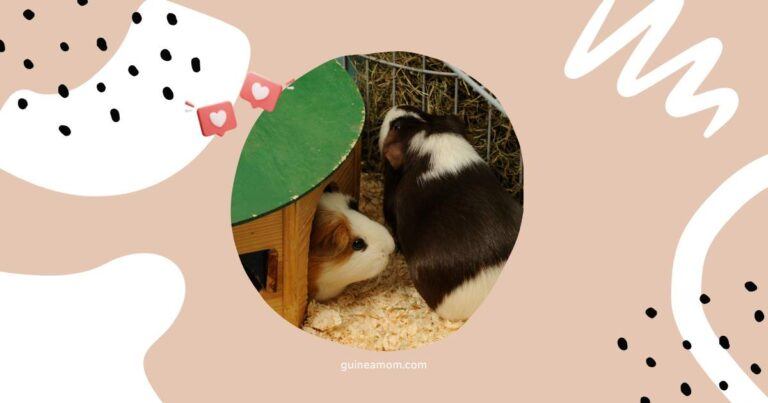
Cramped cages are a leading cause of conflict, because pigs can’t get away from each other and territory becomes contested. Equally, a single food bowl, one water source, or a hidey-house with only one exit lets a dominant pig guard resources and corner a weaker one. The fix is generous space plus multiple food stations, water sources, and hidey-houses with two exits each, so no pig can be trapped or starved out.
6. Forcing an incompatible pair — or giving up on introductions too fast
This is a balancing act. On one hand, rushing or abandoning introductions at the first sign of bossiness is a mistake, since a noisy hierarchy-sorting phase is normal and bonds often form after a few bumpy days. On the other hand, forcing two pigs to stay together despite genuine, repeated, blood-drawing aggression is also a mistake. Give introductions real time and patience, but accept when a specific pairing truly isn’t working and seek a better-matched companion (or side-by-side living) instead.
7. Skipping the new-pig health check and quarantine
Bringing a new guinea pig straight into contact with your existing pigs can spread illness or parasites. A new arrival should be checked over for health, and a quarantine period is wise before introductions, to protect everyone. Socializing should never come at the cost of spreading disease through your herd.
8. Disrupting a happy, bonded pair
Once two pigs are firmly bonded, separating them unnecessarily — for cage cleaning, a vet trip where only one needs to go, or rehoming one — can cause real stress and even re-trigger hierarchy disputes when reunited. Where possible, keep bonded friends together through life’s disruptions, since their friendship is part of what keeps them well.
A Mistake That Cuts Across Everything: Assuming It’s “Just Behavior”
One final, important error worth its own mention: assuming a sudden change in social behavior is purely emotional or “antisocial,” when it might be physical. A pig who suddenly becomes withdrawn, irritable, or stops interacting may be in pain or unwell, since guinea pigs hide illness and often show it first through behavior. Before chalking a change up to mood or personality, it’s always worth ruling out a health problem with a vet.
Key Takeaways
- Most socializing mistakes come from forgetting that guinea pigs are timid prey animals and social herd animals at the same time.
- With people, don’t rush. Let new pigs settle, build trust in small steps, and be consistent — some pigs take weeks or months to warm up.
- Don’t approach like a predator. Avoid grabbing from above, chasing, or cornering; move slowly and let your pig come to you.
- Respect their cues and handle them safely — honor “I’ve had enough,” always support the back end, and stay low to prevent falls.
- Never scold or punish. Guinea pigs respond to calm, positive, reward-based interaction, not discipline.
- Don’t keep a guinea pig alone, and never pair one with the wrong species — pigs need compatible guinea pig friends.
- Introduce on neutral ground, don’t over-intervene in normal dominance behavior, and provide ample space and multiple resources.
- Be patient but realistic with introductions, quarantine new arrivals for health, and avoid needlessly separating bonded pairs.
- Rule out illness before assuming a behavior change is “just” social — guinea pigs often show sickness through their behavior first.
This article is intended as general educational information for guinea pig owners. If your guinea pig shows persistent fear or aggression, or a sudden change in social behavior, consider consulting a qualified veterinarian or an experienced guinea pig rescue, as behavioral changes can have an underlying health cause.