Guinea Pig Social Needs And Care
The complete picture of what your piggy needs to feel safe, stimulated, and content
A guinea pig’s social needs go well beyond “give them a friend” — though that’s a big part of it. To truly thrive, a guinea pig needs the companionship of their own kind, positive interaction with their humans, mental stimulation and enrichment to stave off boredom, and a secure, spacious, predictable environment that lets them feel safe enough to be social in the first place. These needs are deeply tied to physical health, too: a pig whose social and emotional needs are met is calmer, more resilient, and generally healthier, while an under-stimulated or lonely pig is prone to stress, low mood, and even physical problems. Meeting these needs isn’t complicated, but it does take intention — and the payoff is a happy, engaged, sociable little companion.
Understanding the Whole Picture
It’s easy to think of guinea pig care as a checklist of physical things — food, water, a clean cage — and to treat “being social” as a separate, optional bonus. In reality, social and emotional wellbeing is a core part of welfare, every bit as essential as nutrition.
Guinea pigs are intelligent, sensitive, herd-living prey animals. That means they have genuine needs for company, stimulation, and security, and when those needs go unmet, it shows — in their behavior, their mood, and sometimes their health. Good guinea pig care, then, means looking after the whole animal: body and social life together. The rest of this article breaks that down into the key needs and how to meet each one.
Need 1: Companionship of Their Own Kind
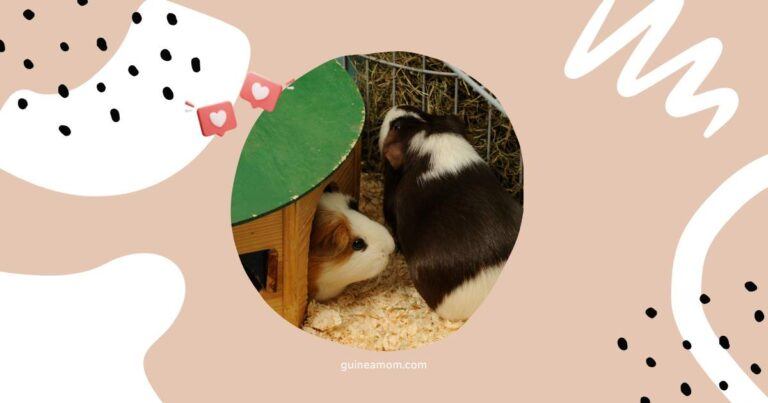
The foundation of a guinea pig’s social life is another guinea pig. As herd animals, they’re built for the company of their own species, with someone to huddle, groom, chatter, and graze alongside around the clock.
A compatible companion provides something humans simply can’t fully replicate, which is why keeping guinea pigs in pairs or groups is so strongly recommended (and, in some countries, expected on welfare grounds). The happiest setup is a pig who has both a piggy friend and a loving human. Getting the pairing right — matching temperament, introducing carefully, providing enough space — is its own topic, but the headline is simple: most guinea pigs should not live alone.
Need 2: Positive Interaction With You
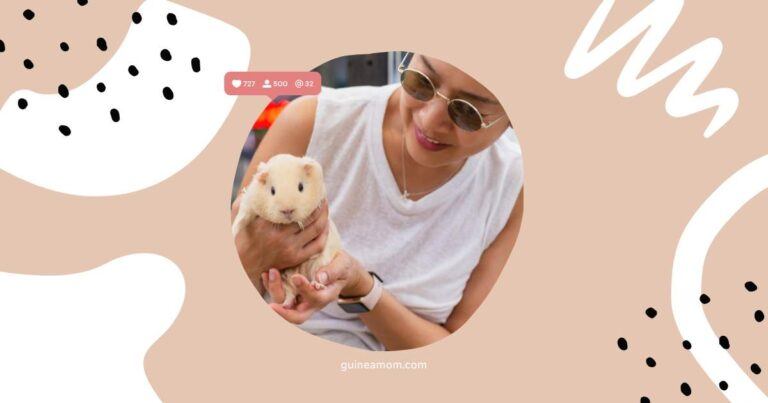
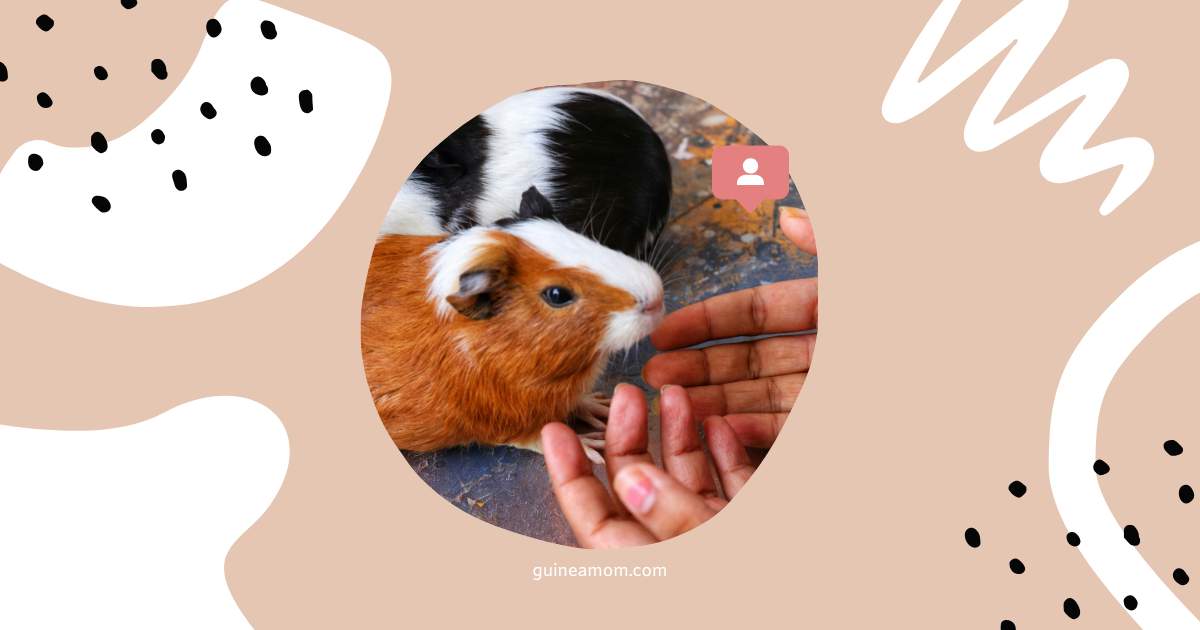
While a piggy friend covers their species-level social needs, your guinea pig also benefits enormously from a good relationship with you. Gentle, regular, positive interaction builds trust, provides stimulation, and deepens the bond between you.
This means calm, predictable handling on your pig’s terms, hand-feeding healthy treats, soft conversation, and quiet lap time — never rushed, forced, or rough. Over time, a well-socialized pig comes to recognize their humans, greet them with excited wheeks, and relax in their company. The key is consistency and patience: your interaction should feel safe and rewarding to your pig, so it strengthens their sense of security rather than adding stress.
Need 3: Mental Stimulation and Enrichment
Guinea pigs are curious, active little animals, and a bare, unchanging cage leaves them understimulated and bored — which can lead to low mood, frustration, and even repetitive behaviors. Enrichment keeps their minds engaged and their days interesting.
Good enrichment is easier than it sounds:
- Foraging opportunities. Scatter their hay, hide bits of healthy veg around the enclosure, or use forage toys so they have to seek out food the way they would in the wild. This taps into a deeply natural behavior.
- Tunnels and hidey-houses. Things to run through, hide in, and pop out of give a sense of safety and something to do — bonus points for hideys with two exits.
- Safe chew items. Guinea pigs need to chew constantly for dental health, so chew-safe toys and untreated materials serve double duty as enrichment.
- A changing environment. Occasionally rearranging the layout, rotating toys, or adding something new keeps the space fresh and interesting.
- Floor time. Supervised time to explore a larger, safe area is one of the best forms of enrichment there is — physically and mentally.
The aim is a pig who has things to investigate, chew, climb on, and explore, rather than an empty box to sit in.
Need 4: A Secure, Suitable Environment
A guinea pig can only be relaxed and social if they feel safe — so their environment underpins everything else. Several factors matter here.
Space. Cramped cages cause stress and conflict; generous space lets pigs move naturally, exercise, and (in a group) get away from each other when needed. Bigger is almost always better.
A calm, well-chosen location. Place the enclosure somewhere relatively quiet and stable, away from constant noise, drafts, direct sun, and — crucially — away from the sight and sound of predators like cats and dogs, which keep a prey animal permanently on edge.
Multiple resources. In a multi-pig home, provide several food stations, water sources, and hidey-houses so no pig can be cornered or guarded away from essentials. This prevents bullying and keeps the peace.
Safety and cleanliness. A secure, escape-proof, clean enclosure with soft, dry bedding supports both physical health and the sense of security that lets a pig settle and socialize.
Get the environment right, and you remove a huge amount of the background stress that otherwise undermines a guinea pig’s social wellbeing.
Need 5: Routine and Stability
Guinea pigs are creatures of habit, and predictability is reassuring to a prey animal. A consistent daily rhythm — regular feeding times, a familiar layout, and gentle, expected interaction — helps your pig feel safe and in control of their world.
Big disruptions (moving home, a major cage overhaul, the sudden arrival of a new pet, or being separated from a bonded friend) can unsettle a sensitive pig and temporarily dent their wellbeing. You can’t avoid every change, but you can introduce changes gradually, keep the fundamentals stable, and give your pig extra reassurance during transitions. A stable, predictable life is a quietly powerful part of good social care.
The Link Between Social Wellbeing and Physical Health
It’s worth emphasizing how intertwined these things are. A guinea pig whose social and emotional needs are met tends to be calmer, eat well, and cope better with the inevitable stresses of life. A pig who is lonely, bored, or chronically stressed, on the other hand, is more vulnerable — stress can suppress the immune system, dampen appetite, and contribute to the kind of decline guinea pigs are prone to.
This connection runs both ways, which is why it’s so important to remember that changes in social behavior can signal physical illness. A pig who suddenly withdraws or stops interacting may be unwell rather than simply “antisocial.” So caring for your pig’s social needs and watching their physical health aren’t two separate jobs — they’re two sides of the same coin.
Signs Your Guinea Pig’s Social Needs Are Being Met
How do you know you’ve got it right? A guinea pig whose social needs are well met tends to show it:
- Active, curious, and engaged with their environment
- Popcorning and playing, especially during floor time
- Eating well and chattering contentedly
- Interacting comfortably with cage mates — grooming, huddling, resting together
- Relaxed around you, perhaps greeting you with wheeks and settling calmly in your company
- Using their space and enrichment — exploring, foraging, chewing, investigating
If, instead, you see persistent hiding, lethargy, loss of appetite, or a pig who seems flat and disengaged, it’s a cue to look at both their social setup and their health — ideally with a vet’s input to rule out a medical cause.
Key Takeaways
- Social wellbeing is core to welfare, not an optional extra — it matters as much as food, water, and a clean cage.
- Companionship of their own kind is the foundation. Most guinea pigs should live with a compatible piggy friend, not alone.
- Positive human interaction — gentle, consistent, on your pig’s terms — adds stimulation and deepens the bond.
- Enrichment prevents boredom. Foraging, tunnels, chew items, a changing layout, and floor time keep curious minds engaged.
- A secure environment underpins everything — ample space, a calm location away from predators, multiple resources, and a clean, safe setup.
- Routine and stability reassure a habit-loving prey animal; introduce big changes gradually.
- Social and physical health are linked. Met social needs build resilience, and a sudden social change can signal illness.
- Watch for the good signs — an active, popcorning, well-eating, comfortably sociable pig is a pig whose needs are being met.
This article is intended as general educational information for guinea pig owners. If your guinea pig shows persistent signs of stress, withdrawal, or a change in behavior, please consult a qualified veterinarian, as these can sometimes have an underlying health cause.