Unsafe Foods For Guinea Pigs
The foods to keep firmly out of the cage — and why they’re a problem
Guinea pigs are strict herbivores with delicate digestive systems, so quite a few everyday foods are genuinely dangerous to them. Some are outright toxic — chocolate, onions and garlic, avocado, rhubarb, and the green parts of potato and tomato plants. Others their bodies simply can’t process — dairy, meat, bread, and processed human foods. And a third group is safe in small amounts but risky in excess, like gassy vegetables, high-calcium greens, and sugary fruit. On top of that, you’ll want to avoid spoiled food, lawnmower clippings, untested garden plants, and food made for other animals. The simplest rule to live by: when in doubt, leave it out — and check a reliable source before offering anything new. If your guinea pig does eat something toxic, contact a vet promptly.
Why a Guinea Pig’s Diet Is So Sensitive
Guinea pigs have evolved to eat one thing: fibrous plant material, mostly grass and hay. Their entire digestive system is built around a steady stream of high-fiber, low-sugar, herbivore-appropriate food. They can’t digest meat or dairy, they handle sugar and fat poorly, and their gut relies on a delicate balance of bacteria that’s easily upset.
On top of that, their bodies are small, so a “little bit” of something harmful is proportionally a much bigger dose than it would be for us. And because they can’t make their own vitamin C and are sensitive to sudden dietary changes, their nutrition needs to be both careful and consistent. All of this means the line between “treat” and “trouble” is narrower than many new owners expect — which is exactly why knowing the unsafe foods matters.
Outright Toxic and Dangerous Foods
These foods are genuinely harmful and should never be given to a guinea pig under any circumstances.
- Chocolate — contains theobromine and caffeine, both toxic to guinea pigs.
- Onions, garlic, leeks, chives, and shallots — this whole allium family can damage red blood cells and cause other serious problems.
- Avocado — contains persin and is very high in fat; unsafe on both counts.
- Rhubarb (and especially its leaves) — high in oxalic acid, which is toxic.
- Potatoes, potato peelings, and especially green or sprouted parts, leaves, and stems — contain solanine, a toxin.
- Tomato leaves, stems, and unripe green tomatoes — also contain solanine. (Ripe tomato flesh is fine in small amounts, but the green plant parts are not.)
- Caffeine and alcohol — in any form, dangerous and never appropriate.
- Mushrooms — best avoided entirely; some are toxic and they offer no benefit.
- Nuts and seeds — high in fat and a choking hazard.
If your guinea pig eats any of these, treat it as a potential emergency and contact your vet.
Foods Their Bodies Simply Can’t Handle
These aren’t always “toxic” in the poison sense, but guinea pigs can’t digest them, and feeding them causes real harm.
- Dairy products — milk, cheese, yogurt, and the like. Guinea pigs can’t digest dairy, so it causes digestive upset.
- Meat and any animal products — guinea pigs are strict herbivores; their systems aren’t built to process meat at all.
- Bread, pasta, crackers, cereal, and other starchy human foods — these offer nothing a pig needs and can disrupt their digestion.
- Chips, candy, and processed or salty snacks — junk food is as bad (or worse) for pigs as it is for us, with no place in their diet.
- Iceberg lettuce — not toxic exactly, but it’s mostly water with almost no nutrition and can cause diarrhea, so it’s best avoided in favor of leafier, darker lettuces.
The rule here is simple: guinea pigs should eat guinea pig food — hay, suitable fresh vegetables, a proper pellet, and the occasional healthy treat — not human food.
Safe in Moderation, Risky in Excess
This is the most nuanced category, and an important one. These foods aren’t dangerous in small, occasional amounts, but they cause problems when overfed — so portion and frequency matter.
- Gas-producing vegetables — cabbage, broccoli, cauliflower, and Brussels sprouts can cause painful gas and bloating if fed in quantity. Small amounts only, if at all.
- High-calcium, high-oxalate greens — spinach, kale, and similar greens are nutritious but, in excess, contribute to bladder stones. Feed sparingly and rotate them with lower-calcium options.
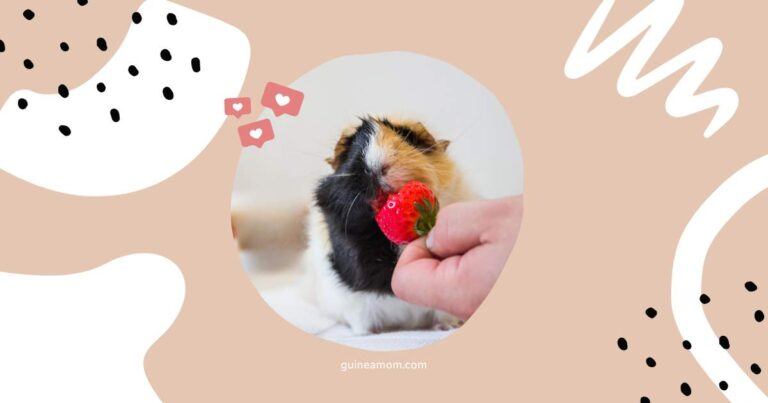
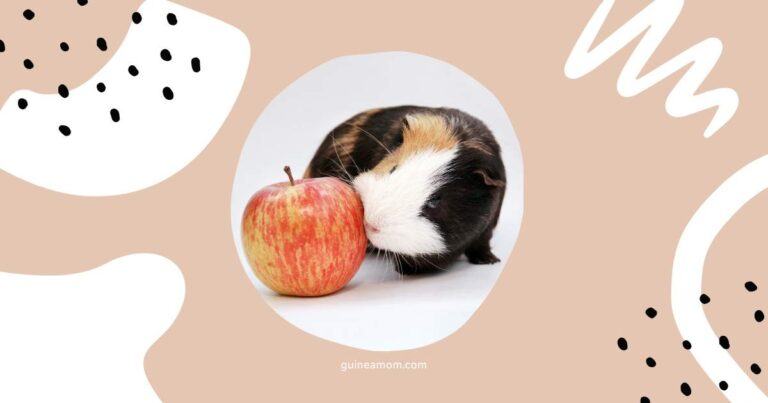
- Fruit — high in sugar, so it should be an occasional treat in tiny portions, not a daily staple. Too much causes digestive upset and weight gain.
- Carrots and other sugary or starchy veg — higher in sugar than many owners realize, so an occasional extra rather than an everyday food.
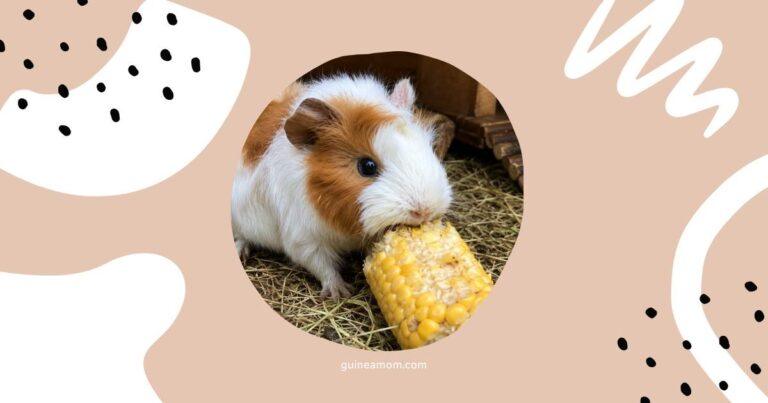
- Corn kernels — starchy and sugary; best limited.
The takeaway: “safe in moderation” is not the same as “feed freely.” Knowing the difference is part of feeding well.
Garden Plants and Foraging Dangers
Letting your guinea pig graze or offering fresh greenery can be lovely — but it comes with cautions, because many common garden and wild plants are toxic.
A number of ornamental and wild plants — including things like buttercups, foxglove, ivy, nightshade, daffodils and other bulbs, and many more — are poisonous to guinea pigs. Never offer plants you can’t positively identify as safe. Also avoid:
- Grass treated with pesticides, fertilizers, or weedkillers.
- Lawnmower clippings — they ferment rapidly and can make a pig seriously ill, so always pick grass by hand instead.
- Plants from areas frequented by other animals, which may be contaminated.
When foraging, the same rule applies as everywhere else: if you’re not certain it’s safe, don’t offer it.
The Wrong Food Products
A couple of food products are also worth avoiding, even though they’re sold for small animals.
- Food made for other animals — rabbit pellets, hamster mixes, and other rodent foods are not suitable. Notably, they don’t contain the vitamin C guinea pigs specifically need, and may include ingredients that aren’t appropriate.
- “Muesli”-style mixes — those colorful blends of seeds, corn, dried fruit, and pellets. They’re not outright toxic, but pigs pick out the sugary bits and leave the healthy parts, leading to an unbalanced, fattening diet. A plain, Timothy-based pellet is far better.
Always choose a quality, guinea-pig-specific pellet, and don’t be tempted by treats marketed for pigs that are loaded with sugar (like yogurt drops and honey sticks) — those belong on the avoid list too.
Spoiled and Moldy Food
This one’s easy to overlook. Any food that’s gone off — wilted, slimy, or moldy vegetables, or stale, damp hay — can make your guinea pig ill and should never be offered. Remove uneaten fresh food from the cage after a few hours so it doesn’t spoil, and always check that hay and pellets are fresh and dry. Clean, fresh food is part of safe feeding.
What to Do If Your Guinea Pig Eats Something Unsafe
If you discover your pig has eaten something from the toxic list, or something you’re unsure about, contact your vet promptly — sooner is always better with a small animal. Try to note what and roughly how much they ate, as that information helps your vet.
In the meantime, keep your pig calm, make sure they have access to hay and fresh water, and watch closely for any signs of distress — not eating, lethargy, bloating, drooling, or changes in their droppings. Don’t try to treat it yourself with home remedies; let your vet guide you. With toxic foods especially, quick professional advice gives your pig the best outcome.
Key Takeaways
- Guinea pigs are strict herbivores with delicate digestion, so many everyday human foods are genuinely harmful to them.
- Some foods are outright toxic — chocolate, onions and garlic, avocado, rhubarb, and the green parts of potato and tomato plants — and must never be fed.
- Others can’t be digested at all — dairy, meat, bread, and processed or salty human foods have no place in a pig’s diet.
- A third group is fine only in moderation — gassy veg, high-calcium greens, sugary fruit, and starchy vegetables cause problems in excess.
- Be careful when foraging — many garden and wild plants are toxic, and lawnmower clippings and treated grass are dangerous; only offer plants you can identify as safe.
- Avoid the wrong products — food made for other animals lacks vitamin C, and sugary muesli mixes and treats unbalance the diet.
- Never feed spoiled or moldy food, and remove uneaten fresh food promptly.
- If your pig eats something toxic, call your vet promptly — and when unsure about any food, leave it out.
This article is intended as general educational information for guinea pig owners and is not a substitute for professional veterinary advice. If you believe your guinea pig has eaten something toxic or is showing signs of illness, please contact a qualified veterinarian right away.