
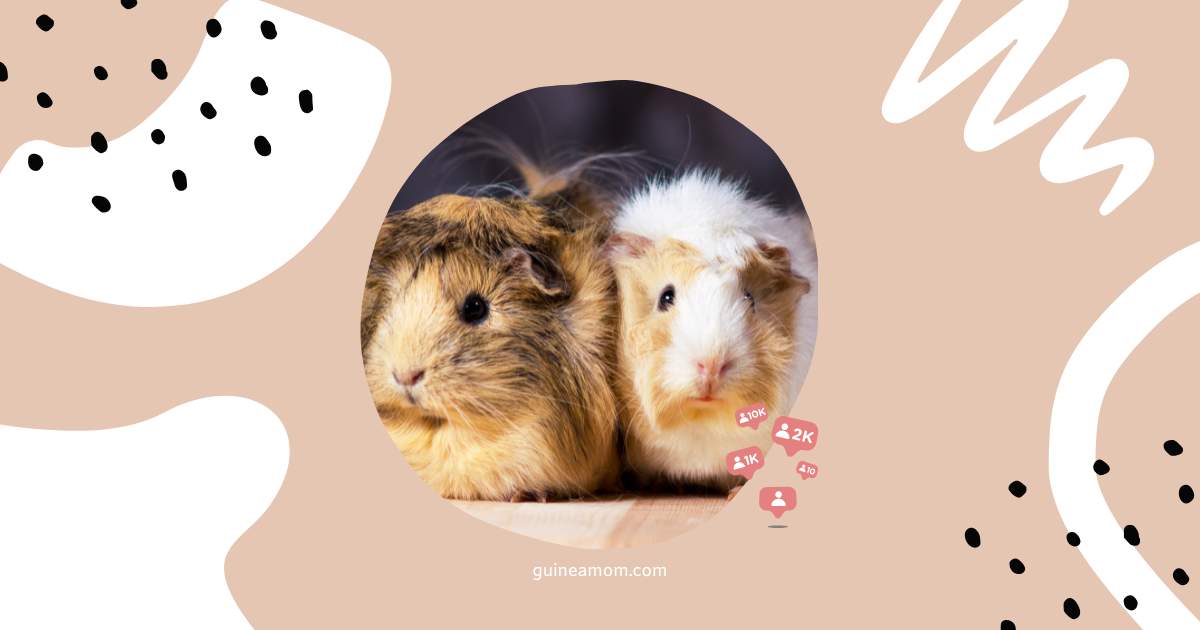
Introducing Two Male Guinea Pigs
How to bond boars successfully — the extra considerations that make male pairs work.
Yes — two male guinea pigs (boars) can absolutely live together happily. The idea that males always fight is a myth; plenty of boar pairs bond into devoted, lifelong friends. That said, male bonding takes a little extra care, because boars can be more prone to dominance clashes. The keys to success are lots of space (boars need more room than females), a good personality match (ideally one more dominant pig and one more easygoing one — two strongly dominant boars rarely work), and keeping females out of sight and smell (their presence makes boars compete). You introduce them on neutral territory just like any pair, expect intense-but-normal dominance behavior (which you shouldn’t interrupt), and only separate for genuine fighting. Bonding can take anywhere from hours to a few weeks. Here’s everything you need to know about pairing two boars.
Can I Introduce Two Male Guinea Pigs?
Yes, you can — and it’s worth busting the common myth head-on: two male guinea pigs do not automatically fight or fail to get along. Boar pairs are a completely valid, common, and often very successful setup, and many male duos become the closest of friends.
What’s true is that male bonding can be a bit more challenging than female bonding, because boars are more inclined toward dominance disputes. But “more challenging” is not “impossible” — with the right conditions (enough space, a compatible personality match, and no females around), a boar pairing has an excellent chance of working. So if you have one lonely male and are wondering whether to get him a male friend, the answer is a hopeful yes — just follow the boar-specific guidance below.
Why Male Bonding Is a Bit Different
Understanding why boar pairs need extra care helps you set them up for success. A few factors make male bonding distinct:
- Space matters even more. Cramped conditions are the number-one trigger for boar conflict (sometimes called “boar wars”). Males need generous room to establish territory and avoid each other when tensions rise.
- Females cause competition. The sight or smell of a female nearby can make boars compete and fight, even if they’d otherwise get along fine.
- Dominant personalities clash. Two boars who both want to be “top pig” will struggle — successful pairs usually have one clear leader and one who’s happy to submit.
- Dominance displays are more intense. Boars often put on a bigger show of rumbling, mounting, and posturing while sorting out their hierarchy. It looks alarming but is usually normal.
Keep these in mind, and you’ll dramatically improve your chances of a peaceful pairing.
How to Pair Two Male Guinea Pigs
Here’s how to give a boar pairing the best possible shot. (The overall process mirrors introducing any two guinea pigs — see our full step-by-step guide, How to Introduce Guinea Pigs to Each Other, for all the details — but these boar-specific points matter most.)
Choose a compatible pair. Personality is everything with boars. Aim for one more dominant pig and one more easygoing one, and avoid pairing two strongly dominant males. Pairing a younger boar with an older one often works especially well, as the adult tends to establish dominance calmly while the youngster naturally submits. A rescue can help match temperaments.
Give them plenty of space. This is the single most important factor for boars — provide a generously sized enclosure (well above the minimum for a single pig), because a roomy home prevents the territorial friction that sparks fights.
Keep females out of sight and smell. Before and during bonding, make sure there are no female guinea pigs nearby, as their presence drives boars to compete.
Swap scents and start side-by-side. In the days before meeting, swap bedding so they get used to each other’s smell, then set them up side-by-side (or with a barrier) so they can see and smell each other safely, with food scattered nearby to build positive associations.
Meet on neutral territory. Introduce them face-to-face in a space neither has claimed, with lots of room, multiple two-exit hideys (so no boar gets cornered), toys, and scattered treats. Supervise closely, starting with short sessions.
Provide duplicate resources. In their shared home, give multiple food and water stations and several hideys so there’s nothing to compete over — especially important for boars.
Normal Dominance vs. Real Fighting
With boars especially, it’s crucial to tell normal dominance apart from genuine fighting — and not to overreact to the former.
Normal (do NOT separate): rumbling and rumble-strutting, mounting, chin-raising, yawning (showing teeth), teeth chattering, chasing, bottom-sniffing, and even the occasional minor nip. This dominance show can be intense and last a while, but it’s how boars establish their pecking order — interrupting it only prolongs the process.
Real fighting (separate immediately, safely): both boars rearing up on their haunches face-to-face, lunging or leaping at each other, locking together in a fighting “ball,” or drawing blood with genuine bites. To separate, never use bare hands — throw a towel over them and use a dustpan, board, or oven mitt, as boar bites can cause serious injury. Give everyone time to calm down, then you can try again later.
How Long Does It Take for Two Male Guinea Pigs to Get Along?
There’s no fixed timeline — some boar pairs click within hours, while others take days or even a couple of weeks to fully settle. As a rule, boars may need a bit more patience than female pairs, since their dominance-sorting can be more prolonged and intense.
One thing to watch for specifically with males: even after an initial bond, a younger boar going through adolescence (around three to five months old) may challenge the older one for the top spot, causing a rough patch of renewed dominance behavior. This is normal and usually resolves on its own as they re-establish their hierarchy. Throughout the settling period, check both boars daily for any bites (especially around the ears and rear), stay calm and patient, and give them time. A stable, lasting boar friendship is well worth the wait.
Signs They’re Bonding
You’ll know your boars are becoming friends when you see:
- Grooming each other — the clearest sign of acceptance
- Resting or lying side by side
- Relaxed body language and a contented, deep purr
- Happy squeaking and popcorning
- Calm coexistence — eating, exploring, and settling near one another
Once dominance settles into this kind of relaxed companionship, your boar pairing is a success.
If Your Male Guinea Pigs Won’t Get Along
Sometimes, despite everything, two particular boars just aren’t compatible — most often when both have strongly dominant personalities. Serious, repeated fighting with real bites and blood is a sign this specific pairing may not work.
If that happens, don’t force it. You can try again slowly after a break, but you may need a different, better-matched companion. Two incompatible boars can also live in side-by-side cages with a shared barrier, keeping the comfort of company without the conflict. And there’s another option worth knowing: a neutered boar can live happily with a female, so neutering opens up a mixed-sex pairing if boar-to-boar bonding proves too difficult. A good rescue can help with matching and bonding, too. Whatever you decide, the goal is always both pigs’ wellbeing.
Key Takeaways
- Yes, two male guinea pigs can live together happily — the “boars always fight” idea is a myth.
- Male bonding needs extra care — boars are more prone to dominance clashes than females.
- The keys to success are plenty of space, a good personality match (one dominant, one easygoing — never two dominant), and keeping females out of sight and smell.
- Pairing a younger boar with an older one often works especially well.
- Introduce on neutral territory with lots of room, multiple two-exit hideys, and duplicate food stations to avoid competition.
- Expect intense but normal dominance (rumbling, mounting, chasing) — don’t separate for it; only step in for real fighting, safely with a towel and dustpan.
- Bonding takes hours to weeks, and a young boar may re-challenge during adolescence (3–5 months) — be patient and check daily for bites.
- If it doesn’t work, try a different match, side-by-side living, or neutering to pair with a female — and consider rescue help.
This article is intended as general educational information for guinea pig owners and is not a substitute for professional veterinary advice. If your guinea pigs fight seriously or are injured during introductions, separate them safely and consult a qualified veterinarian or an experienced guinea pig rescue for guidance.