Best Hay For Guinea Pigs: A Buying Guide
How to choose and buy the best hay — what to look for, which types to pick, and how to spot quality.
The best hay for guinea pigs is a fresh, green, sweet-smelling, dust-free grass hay — with timothy hay the gold-standard everyday choice for most adult pigs (widely available, high in fiber, low in calcium). Excellent alternatives include orchard grass (softer and sweeter, great for fussy eaters and timothy-allergic owners) and meadow hay (varied and foraging-friendly, though higher in calcium). Alfalfa hay is only for young, pregnant, or nursing pigs. When buying, quality matters as much as type: choose hay that’s green, fragrant, and free of dust and mold, buy it fresh and in amounts you’ll use up, and store it cool and dry. Here’s how to choose and buy the best hay for your piggies.
First: Quality Matters More Than Type
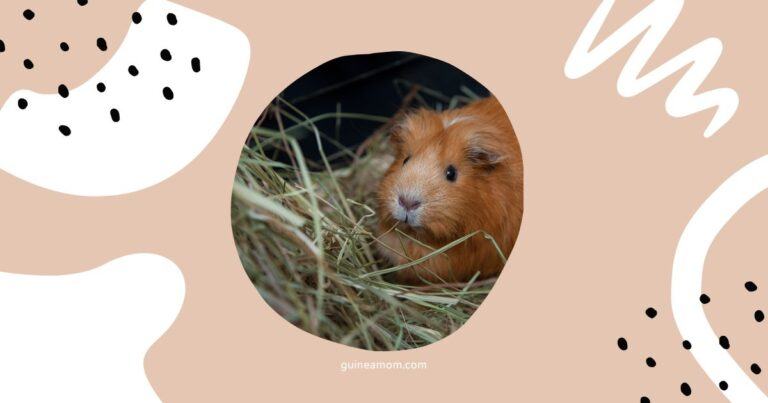
Before picking a type of hay, know this: a fresh, high-quality batch of any suitable grass hay beats a stale, dusty “better” type every time. Since hay makes up around 80% of your guinea pig’s diet — and they eat it constantly — its quality directly affects their health. So quality comes first.
Signs of good-quality hay:
- Green in color (meadow hay being the exception — it’s often golden) — green signals freshness and nutrients.
- Fresh, sweet smell — it should smell pleasant and grassy, never musty or sour.
- Dry, but not brittle or dusty — dust is a genuine hazard for guinea pigs’ sensitive lungs.
- Long-stemmed — long strands give better fiber and dental wear.
- No mold, no damp, no discoloration, and free of weeds or debris.
Avoid: dusty hay, yellow/brown or faded hay (except meadow), anything musty or damp, and the small, often poor-quality bags sold cheaply in some pet shops.
The Best Types of Hay (and Who They Suit)
For adult guinea pigs, you want a grass hay (not alfalfa). Here are the best options:
Timothy Hay — the gold standard
Timothy is the most popular and most recommended everyday hay for adult guinea pigs. It’s high in fiber, low in calcium, widely available, and has the ideal coarse-yet-palatable texture for dental wear. If you’re not sure what to buy, timothy is the safe default. (It also comes in 1st, 2nd, and 3rd cuttings — 2nd cut is the balanced favorite for most pigs.)
Orchard Grass — the soft, sweet alternative
Orchard grass is just as suitable as timothy — a grass hay fed unlimited — but it’s softer, leafier, and sweeter-smelling. It’s ideal for picky eaters, pigs who prefer leaves to stems, and especially owners who are allergic to timothy (many react less to orchard grass).
Meadow Hay — varied and foraging-friendly
Meadow hay is a natural mix of grasses, leaves, and flowers — great for foraging and enrichment, and often cheaper. The catch: it can be higher in calcium, so for stone-prone pigs it’s better as a supplement alongside timothy.
Oat Hay — a tasty extra
Oat hay is richer (more protein/fat/calories) with tasty seed heads — a good rotation hay or for pigs needing to gain weight, but best limited for overweight pigs.
Alfalfa — only for special cases
Alfalfa is NOT for everyday feeding. It’s a legume hay, very high in calcium — suitable only for young (under 6 months), pregnant, or nursing pigs, or an occasional treat for healthy adults.
How Much to Buy (and How Often)
- Buy in quantities you’ll use while it’s fresh. Hay loses quality (and vitamin content degrades) over time, so a giant bale that sits for a year isn’t a bargain. For one or two pigs, buy in moderate amounts and replenish regularly.
- Bigger boxes/bales are cheaper per kilo and fine if you can store them well and use them within a few months.
- Remember guinea pigs need unlimited hay — a pile the size of their body daily — so you’ll get through a surprising amount. Factor that into how much you buy.
Where to Buy Guinea Pig Hay
- Specialist small-pet hay suppliers (online) often have the freshest, highest-quality hay, with choices of type and cutting — frequently better than pet-shop hay.
- Pet shops are convenient but bagged hay can be drier, dustier, or older; check quality.
- Farm/local suppliers can be excellent value for fresh hay — just make sure it’s actual grass hay (not straw, which guinea pigs can’t eat) and hasn’t been treated with chemicals or stored damp.
- Whatever the source, judge each batch on the quality signs above rather than the brand alone.
How to Store Hay to Keep It Fresh
Good storage protects your investment and your pigs’ health:
- Keep hay somewhere cool, dry, and well-ventilated — not damp (which causes mold) or sealed airtight (which traps moisture).
- A breathable container (a cardboard box, fabric bag, or paper sack) is better than sealed plastic.
- Keep it off the floor and away from damp.
- Use older hay first, and discard any that smells musty or looks moldy.
A Note on Hay and Vitamin C
Remember that no hay — however good — provides enough vitamin C, which guinea pigs need daily. So the best hay is the foundation of the diet, but it works alongside fresh vegetables (especially bell pepper) and a vitamin-C-fortified pellet. Hay alone is not a complete diet.
Key Takeaways
- The best hay is fresh, green, sweet-smelling, long-stemmed, and dust-free — quality matters as much as type, since hay is ~80% of the diet.
- Timothy hay is the gold-standard everyday choice for adult guinea pigs (high fiber, low calcium, widely available).
- Orchard grass is an equally good, softer, sweeter alternative — great for fussy eaters and timothy-allergic owners.
- Meadow hay is varied and foraging-friendly but higher in calcium; oat hay is a tasty richer extra; alfalfa is only for young, pregnant, or nursing pigs.
- Buy fresh, in amounts you’ll use up — guinea pigs need unlimited hay, so you’ll go through plenty.
- Specialist hay suppliers often beat pet-shop hay for freshness; farm hay is good value (just make sure it’s hay, not straw).
- Store it cool, dry, and breathable, use older hay first, and discard anything musty or moldy.
- No hay provides vitamin C — pair it with veg and a vitamin C source.
This article is intended as general educational information for guinea pig owners. Product and supplier availability varies, so judge each batch on quality. If your guinea pig has specific health needs affecting their hay choice, consult a qualified veterinarian experienced with guinea pigs.