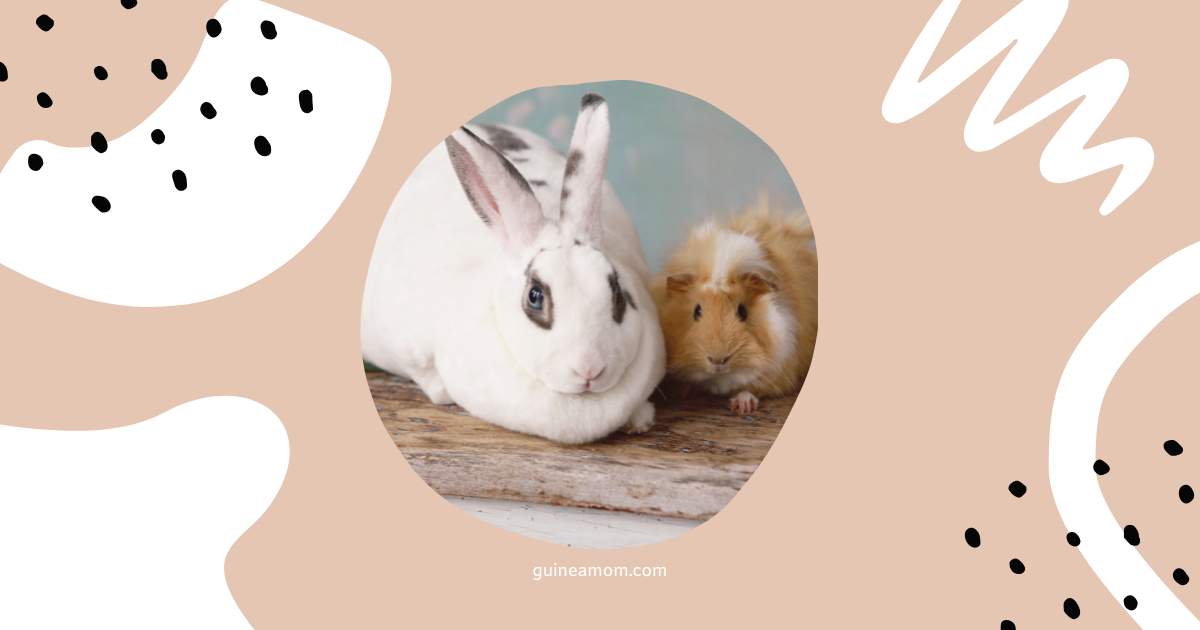
Can Guinea Pigs And Rabbits Live Together?
The old advice said yes — but experts now agree they shouldn’t. Here’s why rabbits and guinea pigs are best kept apart.
No — guinea pigs and rabbits should not live together, despite the once-popular belief that they make good companions. Animal welfare experts, including the RSPCA, now advise keeping rabbits with rabbits and guinea pigs with guinea pigs. There are four solid reasons: rabbits can carry a bacteria (Bordetella) that causes serious respiratory disease in guinea pigs; rabbits are much larger and can injure or kill a guinea pig with a single kick; the two species have different dietary needs (guinea pigs need vitamin C, rabbits don’t); and they communicate completely differently, so they can’t meet each other’s social needs. Both animals are far happier with a companion of their own kind. Here’s the full explanation.
Why the Old Advice Changed
For years, people kept rabbits and guinea pigs together, believing they were natural companions — and you’ll still see this advice in older books. But our understanding of animal welfare has moved on, and experts now firmly advise against it. The RSPCA and rabbit/guinea pig welfare organizations recommend keeping each species with its own kind. It turns out that what looks like a peaceful pairing often isn’t meeting either animal’s needs — and can be genuinely dangerous. Here’s why.
Reason 1: Disease Risk (Bordetella)
This is a serious, often-overlooked reason. Rabbits commonly carry a bacterium called Bordetella bronchiseptica — usually without being ill themselves — but in guinea pigs, this bacteria is a major cause of respiratory disease (pneumonia), which can be fatal. Simply by living alongside a rabbit, a guinea pig is exposed to a genuine health threat. (Dogs and cats can carry it too, which is another reason to keep guinea pigs away from them.)
Reason 2: Risk of Injury
Rabbits are much larger and more powerful than guinea pigs, with strong, muscular hind legs. Even without meaning harm, a rabbit can injure or kill a guinea pig with a single kick, and rabbits sometimes bully or bombard guinea pigs — chasing, mounting, or attacking them. Because the size and strength mismatch is so great, bites, kicks, and scratches from a rabbit can be fatal to a guinea pig. Many pairings that “seem fine” end in sudden, serious injury.
Reason 3: Different Diets
Rabbits and guinea pigs have genuinely different nutritional needs, which makes feeding them together problematic. The biggest difference: guinea pigs cannot make their own vitamin C and need a daily dietary supply, or they develop scurvy — whereas rabbits produce their own vitamin C and don’t need it added. Guinea-pig food is fortified with vitamin C; rabbit food isn’t. Housed together, they’ll eat each other’s food, meaning the guinea pig may not get enough vitamin C (and each may get a diet wrong for their species). They can share plain hay, but their pellets and greens really need to be fed separately.
Reason 4: They “Speak Different Languages”
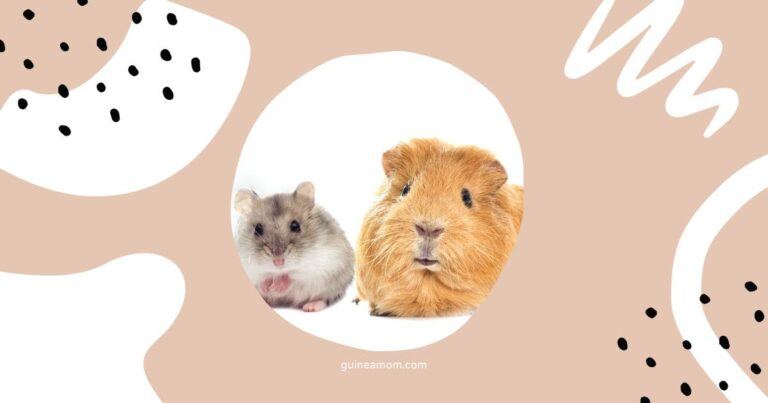
Guinea pigs and rabbits communicate and behave completely differently — as one source nicely put it, they’re “like Venus and Mars.” They don’t understand each other’s body language or social signals, so they can’t provide each other real companionship. A guinea pig housed with a rabbit but no other guinea pig is effectively socially alone — missing out on the same-species friendship they genuinely need. Both species are social and need a companion, but that companion needs to be one of their own kind who speaks their language.
Both Species Need Their Own Kind
The heart of the matter: both rabbits and guinea pigs are social animals that shouldn’t live alone — but the solution is a companion of the same species, not a cross-species pairing. Two (or more) guinea pigs will bond, communicate, snuggle, and thrive together in a way a rabbit simply can’t offer. So the kindest setup is:
- Guinea pigs housed with other guinea pigs
- Rabbits housed with other rabbits
- The two species kept separately
What If They Already Live Together?
If you already have a rabbit and guinea pig living together, get each a companion of their own species and plan to separate them into appropriate same-species groupings. However, if they’re long-bonded, get on well, and separating would distress them, some experts say it can be handled case-by-case — but even then, you should:
- Feed them separately (especially pellets and greens), and give the guinea pig its vitamin C.
- Provide the guinea pig with hideaways that have entrances too small for the rabbit to enter, so they always have a safe escape.
- Monitor closely for any bullying, injury, or signs of respiratory illness in the guinea pig.
- Ideally, give each a same-species friend so neither is socially isolated.
Key Takeaways
- Guinea pigs and rabbits should not live together — experts including the RSPCA now advise keeping each species with its own kind.
- Disease: rabbits often carry Bordetella, a bacteria that causes serious, sometimes fatal respiratory disease in guinea pigs.
- Injury: rabbits are much larger and can injure or kill a guinea pig with a kick, or bully them.
- Diet: guinea pigs need daily vitamin C (rabbits don’t), so their diets differ and shouldn’t be shared — feed separately.
- Communication: the two species don’t understand each other and can’t meet each other’s social needs.
- Both need a same-species companion — guinea pigs with guinea pigs, rabbits with rabbits.
- If already paired and closely bonded, handle case-by-case: feed separately, give the guinea pig rabbit-proof hideys, watch for injury and illness, and ideally provide same-species friends.
This article is intended as general educational information for guinea pig owners and is not a substitute for professional veterinary advice. If your guinea pig shows signs of respiratory illness or injury, consult a qualified veterinarian experienced with guinea pigs promptly.