What Type Of Hay Should I Buy For My Guinea Pig?
A simple guide to choosing the right hay — the most important food your piggy eats.
For an adult guinea pig, buy grass hay — and timothy hay is the most popular and widely recommended choice. That said, orchard grass, meadow hay, and oat hay are all excellent too, and offering a variety is even better for nutrition and interest. The one hay to avoid for adults is alfalfa: it’s high in calcium and is only suitable for young (under six months), pregnant, or nursing pigs. Whatever type you choose, pick hay that’s fresh, green, sweet-smelling, and dry — never dusty, brown, yellow, damp, or musty. And remember: hay isn’t a side dish. It should make up around 80% of your guinea pig’s diet and be available at all times, so it’s worth getting right. Here’s how to choose.
Why Hay Matters So Much
Before the types, it’s worth understanding why this choice matters. Hay is the foundation of a guinea pig’s diet — around 80% of everything they eat — and it should be available unlimited, 24 hours a day. It does two essential jobs: the fiber keeps their digestive system moving (preventing dangerous slowdowns), and the constant chewing wears down their continuously growing teeth (preventing painful dental disease).
Because your pig eats so much of it, and relies on it so heavily, the type and quality of hay you buy genuinely affects their health. So this isn’t a minor decision — it’s arguably the most important food purchase you’ll make for your guinea pig.
Grass Hay: The Right Choice for Adult Guinea Pigs
For healthy adult guinea pigs, you want grass hay. There are several good types, and each has its own character:
Timothy hay is the gold standard — the most popular and commonly recommended grass hay for guinea pigs. It has a good balance of fiber, and most pigs love it. If you’re not sure where to start, start here.
Orchard grass is a soft, sweet-smelling grass hay that many pigs adore. It’s a great alternative or addition to timothy, and some owners with hay allergies find it a little easier to handle.
Meadow hay is a natural mix of different grasses (and sometimes herbs and flowers), offering variety and interesting textures and flavors that pigs enjoy foraging through.
Oat hay is a tasty option featuring oat seed heads that many guinea pigs love to nibble. It’s great for variety, though its texture is a bit coarser.
Other grass hays — like bromegrass, and botanical or herbal blends — can add further variety too.
The best approach for most owners is to offer a variety of grass hays. Mixing types provides a broader range of nutrients, keeps mealtimes interesting, and lets you discover your pig’s favorites.
A Word on Timothy “Cuts”
If you shop for timothy hay, you may notice it sold by cut — first, second, or third cut — which refers to when in the season it was harvested. Here’s the quick guide:
- First cut is coarser and more stalky, with more fiber and seed heads — great for chewing and dental health, though some pigs find it rougher.
- Second cut is softer and leafier with a good balance of stalk and leaf — the most popular choice, and a great all-rounder.
- Third cut is the softest and leafiest, with little stalk — some pigs love it, but it has less of the coarse fiber that’s so good for chewing.
Many owners find second cut the sweet spot, or mix cuts to give both the coarse fiber pigs need and the soft leafy hay they enjoy. It often comes down to your individual pig’s preference.
Alfalfa Hay: Only for Some Pigs
Here’s an important distinction: alfalfa (lucerne) is not a grass hay — it’s a legume, much higher in calcium and protein than grass hays. That makes it right for some pigs and wrong for others:
- Suitable for: young guinea pigs (under about six months), and pregnant or nursing sows — all of whom need the extra calcium and protein for growth and milk production.
- Not suitable as a staple for healthy adults: the high calcium can contribute to bladder stones, a painful and serious problem.
So for a normal adult guinea pig, stick to grass hay and skip the alfalfa (it can be an occasional small treat at most). If you have a baby, pregnant, or nursing pig, alfalfa is beneficial — just transition to grass hay as they mature or finish nursing.
How to Choose Good-Quality Hay
Whatever type you buy, quality matters as much as variety. Good hay is:
- Green in color (fresh), not brown, yellow, or faded
- Sweet and fresh-smelling, with a pleasant grassy aroma
- Dry and leafy, with a good mix of strands
- Clean and dust-free
Avoid hay that is: brown or yellowed (old), dusty (can cause respiratory problems), damp, musty, or moldy (dangerous — never feed moldy hay), or that looks more like straw than hay (straw is a bedding material, not food, and has little nutrition).
Where to Buy Hay
You have a few options, each with pros and cons:
- Pet stores — convenient, with familiar brands, though often pricier and in smaller bags.
- Online retailers — specialist guinea pig hay brands offer great quality and variety, often at better value in bulk (just factor in shipping).
- Farm and feed stores — usually the cheapest for larger quantities, and often very fresh, though you’ll want to check quality and buy an amount you can use before it goes stale.
Whichever you choose, prioritize freshness, and buy a quantity you can get through while it’s still green and sweet.
How to Store Hay
Good hay can go bad if stored poorly, so keep it cool, dry, and well-ventilated, out of direct sunlight, and off damp floors. A breathable container or box in a dry spot works well — avoid sealing fresh hay in airtight plastic, which can trap moisture and cause mold. Proper storage keeps your hay green, sweet, and safe, and prevents the dampness that leads to mold.
How Much Hay Should You Provide?
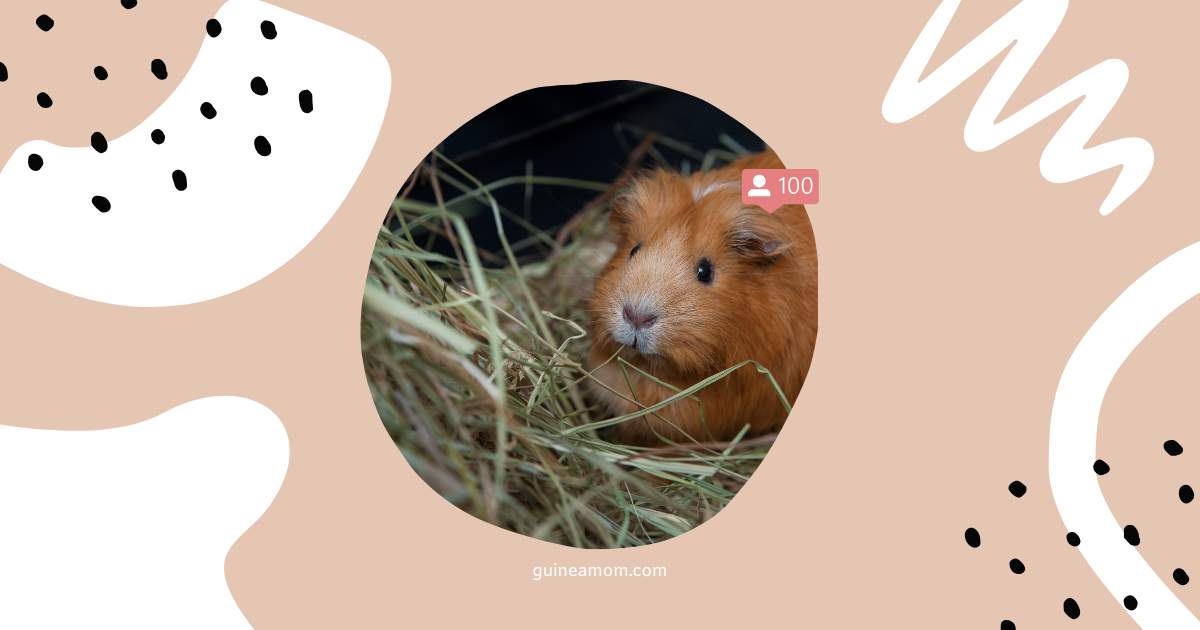
The simple answer: unlimited. Hay should be available to your guinea pig at all times, freely and continuously, making up around 80% of their diet. Never ration it — a guinea pig should be able to munch hay whenever they like, all day and night. Keep their hay pile topped up and fresh, and remove any that’s been soiled or trampled.
Key Takeaways
- Buy grass hay for adult guinea pigs — timothy is the top choice, with orchard grass, meadow, and oat hay all excellent; variety is ideal.
- Timothy comes in cuts — second cut is the popular all-rounder; first cut is coarser (more fiber), third cut is softest (less fiber).
- Avoid alfalfa for healthy adults (high calcium → bladder stones) — it’s only for young, pregnant, or nursing pigs.
- Choose quality hay — green, sweet-smelling, dry, and dust-free; never brown, dusty, damp, or moldy, and not straw.
- Buy from pet stores, online brands, or farm/feed stores — prioritizing freshness and a usable quantity.
- Store hay cool, dry, and ventilated, out of sunlight, to keep it fresh and prevent mold.
- Offer hay unlimited, at all times — it’s the foundation of the diet at around 80%, essential for digestion and dental health.
This article is intended as general educational information for guinea pig owners and is not a substitute for professional veterinary advice. For guidance on your individual guinea pig’s diet, including the right hay for their age and health, consult a qualified veterinarian experienced with guinea pigs.