Can Guinea Pigs And Hamsters Live Together?
No — never. These two small pets have opposite needs and personalities, and housing them together is dangerous for both.
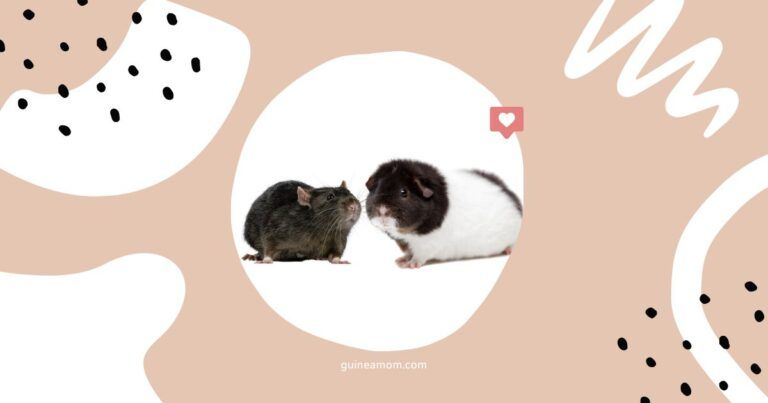
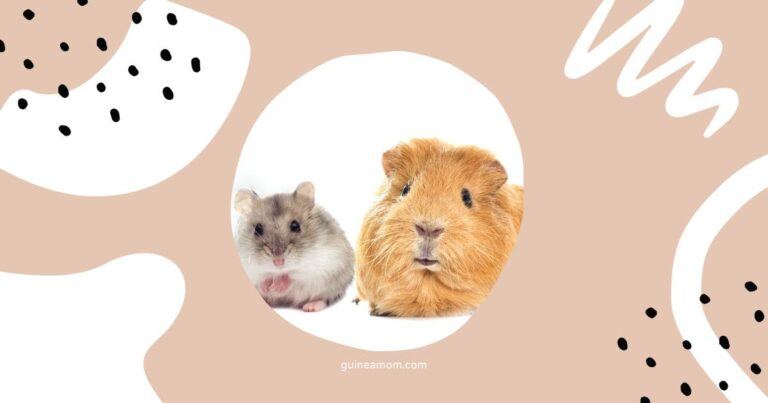
No — guinea pigs and hamsters should never live together, under any circumstances. Although both are small, cute, and often sold in the same pet-shop aisle, they are completely different animals with opposite needs. Guinea pigs are social herd animals who need company; hamsters (especially Syrians) are solitary and fiercely territorial and want to live alone. They have different diets, different activity patterns, and different ways of communicating — and crucially, a territorial hamster can bite and seriously injure a guinea pig, while the size difference and stress make cohabiting dangerous for both. Vet-reviewed sources are unanimous: keep them in separate enclosures. Here’s why.
Why This Pairing Simply Doesn’t Work
It’s an understandable question — they’re both small “pocket pets” — but guinea pigs and hamsters are about as different as two small mammals can be. Housing them together fails on every important measure: social needs, temperament, diet, activity, communication, and safety. Let’s go through them.
Reason 1: Opposite Social Needs
This is the fundamental clash:
- Guinea pigs are highly social herd animals. They need the company of other guinea pigs and become lonely and depressed alone.
- Hamsters (especially Syrian hamsters) are solitary and territorial. They naturally live alone and will defend their space aggressively — many hamsters won’t even tolerate another hamster, let alone a different species.
So one animal craves company while the other demands solitude — there’s no way to satisfy both in a shared space.
Reason 2: Territorial Aggression and Injury Risk
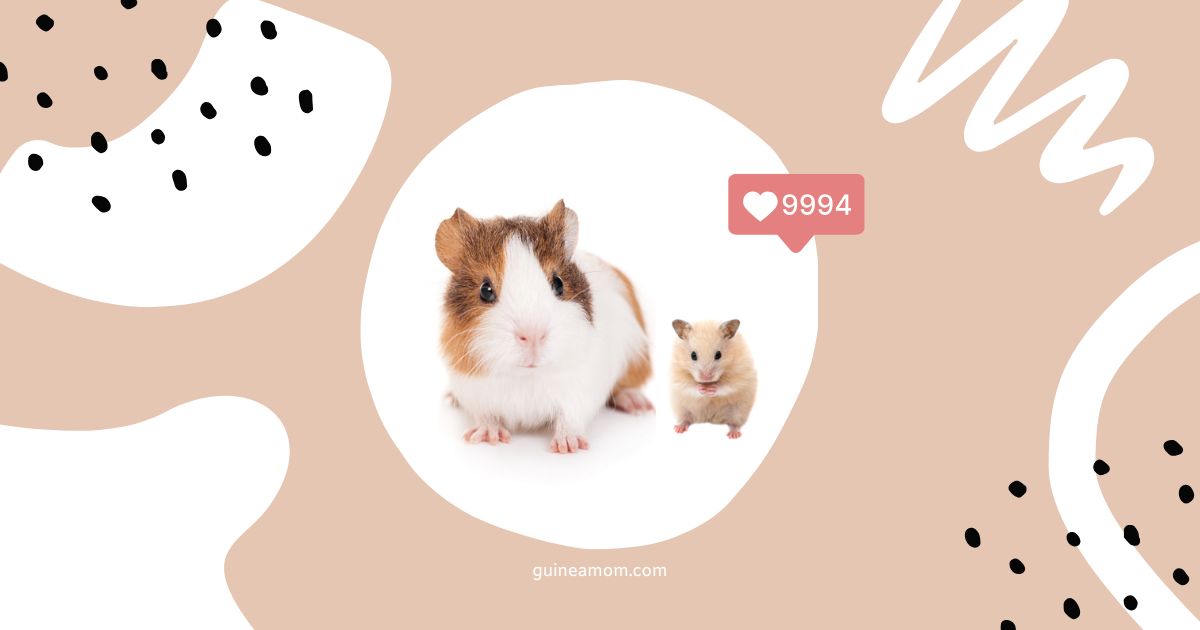
Because hamsters are so territorial, a hamster sharing space with a guinea pig is likely to feel threatened and defend its territory by biting and attacking. Despite being much smaller, a hamster has sharp teeth and can inflict real injury on a guinea pig. Meanwhile, the much larger guinea pig could accidentally trample or crush the tiny hamster. Both animals are at genuine risk — as one experienced keeper bluntly put it, if you let these species loose together, someone ends up “dead or severely injured.”
Reason 3: Different Diets
Guinea pigs and hamsters need completely different food:
- Guinea pigs are herbivores needing unlimited hay, fresh vegetables, and — critically — a daily source of vitamin C (which they can’t make themselves).
- Hamsters are omnivores eating a mix of grains, seeds, pellets, and the occasional bit of protein (like mealworms).
Housed together, each would eat the wrong food, and the guinea pig could develop scurvy from lack of vitamin C. Their diets simply aren’t compatible.
Reason 4: Different Activity Patterns
Their body clocks clash too. Hamsters are largely nocturnal, active and noisy at night — running on wheels and foraging in the dark. Guinea pigs are crepuscular (active at dawn and dusk) and rest at various times through the day and night. A nocturnal hamster bustling around would disturb the guinea pig’s rest, causing stress for both.
Reason 5: They Can’t Communicate
Guinea pigs and hamsters communicate in completely different ways and don’t understand each other’s signals at all. So they can’t provide each other companionship — and misread signals can lead to fear and conflict. A guinea pig needs a fellow guinea pig to bond with; a hamster wants to be left alone entirely.
What They Each Need Instead
- Guinea pigs should live with at least one other guinea pig — they’re happiest in pairs or small groups of their own kind.
- Hamsters should live alone (Syrian hamsters especially) in their own enclosure, designed for their climbing, burrowing, and wheel-running needs.
- Keep the two species in completely separate cages, ideally where they can’t constantly see or smell each other, since even the presence of the other can cause stress.
Key Takeaways
- Guinea pigs and hamsters should never live together — vet-reviewed sources are unanimous.
- Opposite social needs: guinea pigs are social and need company; hamsters (especially Syrians) are solitary and territorial and want to live alone.
- Injury risk: a territorial hamster can bite and injure a guinea pig, while the much larger guinea pig could crush the hamster.
- Different diets: guinea pigs are herbivores needing vitamin C; hamsters are omnivores — sharing food would harm both.
- Different activity patterns: nocturnal hamsters would disturb the guinea pig’s rest.
- They can’t communicate or provide each other companionship.
- Keep them separate — guinea pigs with other guinea pigs, hamsters alone in their own enclosure.
This article is intended as general educational information for guinea pig owners and is not a substitute for professional veterinary advice. If your guinea pig is injured or shows signs of illness, consult a qualified veterinarian experienced with guinea pigs.