Can Guinea Pigs And Rats Live Together?
No — despite both being small and social, rats can prey on guinea pigs and the two should never share a cage.
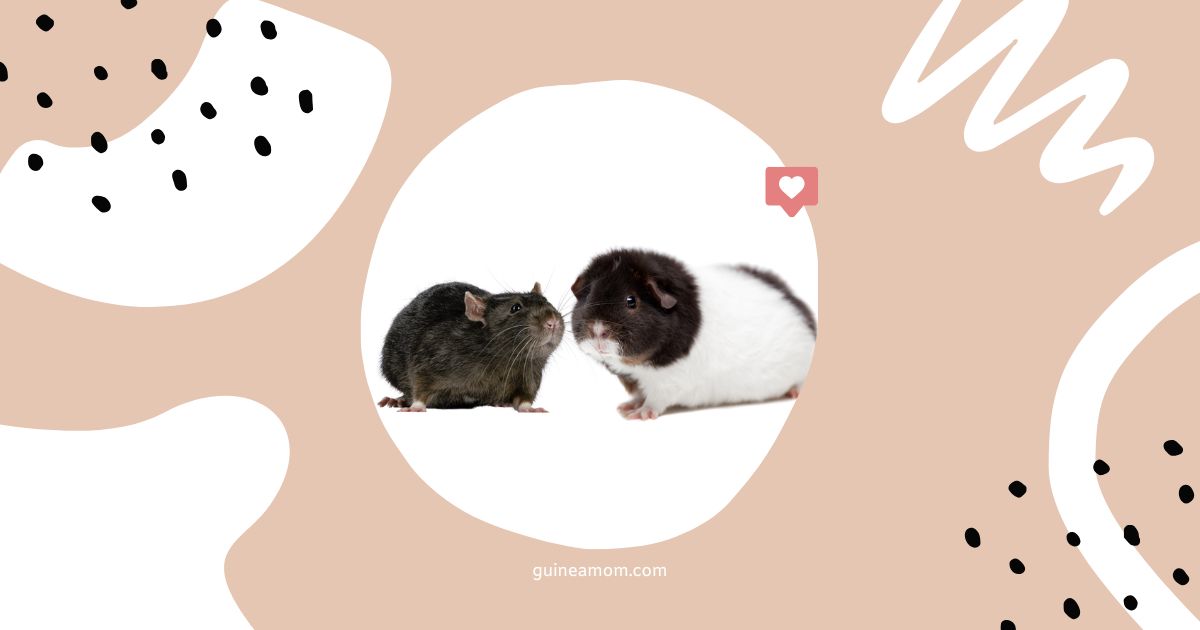
No — guinea pigs and rats should not live together. They may seem like they’d be compatible — both are small, social, intelligent rodents — but they should be kept in separate enclosures. The main concerns: rats are omnivores with predatory instincts and can bite, attack, and even prey on a guinea pig (especially a young or small one); the two species have different diets, space, and social needs; and housing them together causes stress, territorial conflict, and injury. Rats can also carry diseases that may affect guinea pigs. Both are wonderful, sociable animals — but each is happiest with companions of its own kind. Here’s the full explanation.
Why “Both Are Social Rodents” Isn’t Enough
It’s a reasonable thought: guinea pigs and rats are both small, clever, sociable rodents who enjoy company, so surely they’d get along? But sharing a species-level label (“rodent”) doesn’t make two animals compatible — their actual needs, diets, and instincts differ significantly, and one of those differences is genuinely dangerous.
Reason 1: Rats Have Predatory Instincts
This is the big one. Unlike guinea pigs (strict herbivores), rats are omnivores — they eat both plants and animal protein, and they have predatory instincts. Rats will readily prey on smaller animals when the opportunity arises, and they can bite, attack, and seriously injure or kill a guinea pig — a particular danger for baby or small guinea pigs. Even a normally friendly pet rat can act on instinct. This predator-prey risk alone makes cohabiting unsafe.
Reason 2: Different Diets
Their nutritional needs don’t match:
- Guinea pigs are herbivores needing unlimited hay, fresh vegetables, and a daily source of vitamin C (which they can’t produce).
- Rats are omnivores needing a varied diet that includes protein.
Fed together, each would get the wrong nutrition, and the guinea pig could develop scurvy without adequate vitamin C. Their diets simply aren’t interchangeable.
Reason 3: Different Needs and Social Structures
Guinea pigs and rats have different requirements for space, housing, enrichment, and social structure. Guinea pigs need floor space to run on solid ground; rats are climbers who need vertical, multi-level space. Their social worlds are different too — guinea pigs bond with fellow guinea pigs, rats with fellow rats — and they don’t understand each other’s communication. So they can’t meet each other’s social needs, and forcing them together causes stress and territorial conflict.
Reason 4: Disease Risk
Rats can carry bacteria and diseases that may be transmissible to guinea pigs (and vice versa), adding a health risk to the physical dangers. Keeping the species separate protects both from illnesses they might pass to one another.
What They Each Need Instead
Both species are social and shouldn’t live alone — but each needs its own kind:
- Guinea pigs should live with other guinea pigs, in a spacious ground-level cage.
- Rats should live with other rats (they’re very social and do best in same-sex pairs or groups), in a tall, multi-level cage suited to climbing.
- Keep the two in completely separate enclosures. If you keep both as pets, house them apart and supervise carefully to ensure a rat can never access the guinea pigs.
Key Takeaways
- Guinea pigs and rats should not live together — they need separate enclosures.
- Rats are omnivores with predatory instincts and can bite, attack, or prey on guinea pigs, especially small or young ones.
- Different diets: guinea pigs are herbivores needing vitamin C; rats are omnivores needing protein — sharing food harms both.
- Different needs: guinea pigs need floor space, rats need climbing space; they don’t understand each other socially.
- Disease risk: rats can carry illnesses transmissible to guinea pigs.
- Both need their own kind — guinea pigs with guinea pigs, rats with rats — housed completely separately.
This article is intended as general educational information for guinea pig owners and is not a substitute for professional veterinary advice. If your guinea pig is injured or shows signs of illness, consult a qualified veterinarian experienced with guinea pigs.