Can Guinea Pigs Swim?
Technically yes — but they absolutely shouldn’t. Forcing a guinea pig to swim is stressful and genuinely dangerous.
Guinea pigs can technically swim — but they should never be made to. They can instinctively paddle to stay afloat if they end up in water (a survival reflex), which is why you’ll see videos of them “swimming.” But guinea pigs are not built for it, don’t enjoy it, and find it genuinely frightening. Making a guinea pig swim exposes them to real dangers: drowning from exhaustion, stress, pneumonia from getting cold and wet, ear and skin infections, and more. In the wild they live in dry burrows and avoid water, only swimming to escape a predator. So while the answer to “can they?” is a technical yes, the answer to “should you let them?” is a firm no. Here’s why — and what to do if your pig ever ends up in water.
Can They, or Can’t They?
You’ll find this debated, so here’s the honest answer: guinea pigs can stay afloat and paddle, so in the strict sense, yes, they can swim. It’s a survival instinct — if a guinea pig falls into water, it will paddle to try to reach safety, and won’t immediately sink.
But “can paddle to survive” is very different from “is a swimmer.” What looks like swimming in online videos is usually a frightened animal paddling frantically to keep its head above water and get out — not a pet enjoying a dip. So the ability exists, but it’s an emergency survival reflex, not a hobby they enjoy.
Why Guinea Pigs Shouldn’t Swim
Here’s why you should never make a guinea pig swim, however cute the videos look:
They’re not built for it and tire fast. Guinea pigs have round, land-adapted bodies that aren’t shaped for swimming. Staying afloat takes enormous effort, so they exhaust quickly — and an exhausted guinea pig in water is at serious risk of drowning.
It’s extremely stressful. Guinea pigs are prey animals that evolved on dry land, living in burrows far from water. Being in water puts them in a state of fear and duress, and chronic or acute stress genuinely harms their health — it can weaken their immune system and even lead to longer-term problems.
Risk of pneumonia. Guinea pigs can’t regulate their body temperature well, so getting wet and cold puts them at real risk of pneumonia, a leading cause of death in guinea pigs. This is why even after a necessary bath, they must be dried thoroughly and quickly.
Water can enter their lungs. A panicking guinea pig breathes rapidly, and in water this means they can inhale water into their lungs, causing damage that can be fatal.
Ear and skin infections. Water in the ears can cause ear infections, and prolonged wetness can lead to skin problems.
Chemicals hurt them. Chlorine (pools/hot tubs) and salt water irritate and harm a guinea pig’s sensitive skin, eyes, and nose.
Poor depth perception. Guinea pigs can’t judge how deep water is, which adds to their fear and the danger.
Put simply: there’s no benefit to a guinea pig from swimming, and a long list of serious risks. As one guide neatly put it — if you want a pet that enjoys the water, get a fish.
What About Baths?
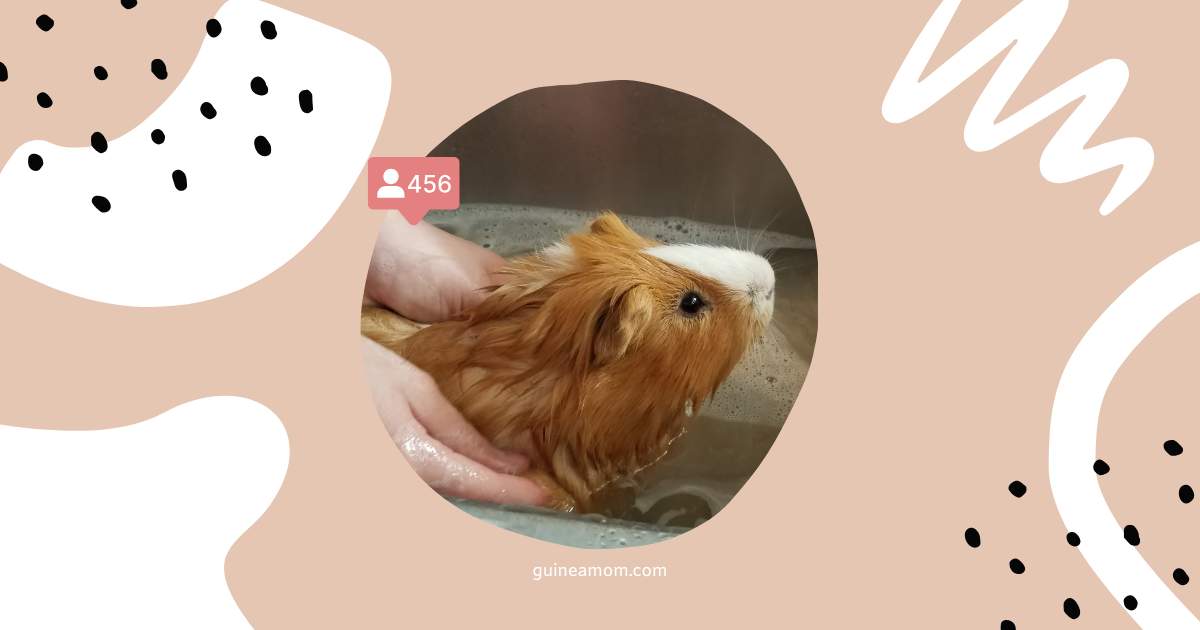
Baths are a separate thing from swimming — and guinea pigs rarely need them (they’re clean self-groomers). When a bath is genuinely necessary (significant soiling, a medicated bath, or heavy grease buildup), the key is that it’s not swimming:
- Use very shallow, lukewarm water — just enough to cover their feet, never deep enough to swim in.
- Keep it quick, calm, and gentle.
- Dry them thoroughly afterward (towel, and a hairdryer on low/warm held at a safe distance) to prevent chilling and pneumonia.
- Never submerge them or let the water reach swimming depth.
So even for a legitimate bath, the water should never be deep enough that your guinea pig has to swim.
What to Do If Your Guinea Pig Ends Up in Water
If your guinea pig accidentally falls into water (a pool, pond, or full tub):
- Remove them immediately and calmly.
- Dry them thoroughly with a towel, then gently with a hairdryer on a low, warm setting held at a safe distance, keeping them warm throughout.
- Keep them warm and calm as they recover from the fright.
- Watch closely over the following days for signs of illness — especially breathing difficulties, lethargy, loss of appetite, or a runny nose (possible pneumonia) — and see a vet if any appear.
To prevent accidents, never leave a guinea pig unsupervised near open water, and keep any outdoor enclosures safely away from ponds or pools.
Key Takeaways
- Guinea pigs can technically swim — they’ll instinctively paddle to survive — but they should never be made to.
- What looks like “swimming” in videos is usually a frightened animal paddling to escape, not enjoying itself.
- Swimming is dangerous — they tire and can drown, it’s extremely stressful, and it risks pneumonia, inhaling water, ear and skin infections, and chemical irritation from chlorine or salt.
- There’s no benefit to a guinea pig from swimming, only risks.
- Baths are different but rarely needed — use only shallow, lukewarm water (never swimming depth), keep it quick, and dry thoroughly to prevent chilling.
- If your pig accidentally gets in water, remove them, dry and warm them thoroughly, and watch for signs of pneumonia (see a vet if they appear).
- Never leave guinea pigs unsupervised near open water.
This article is intended as general educational information for guinea pig owners and is not a substitute for professional veterinary advice. If your guinea pig has been in water and shows any signs of illness (especially breathing problems), consult a qualified veterinarian experienced with guinea pigs promptly.