Can Guinea Pigs Fart?
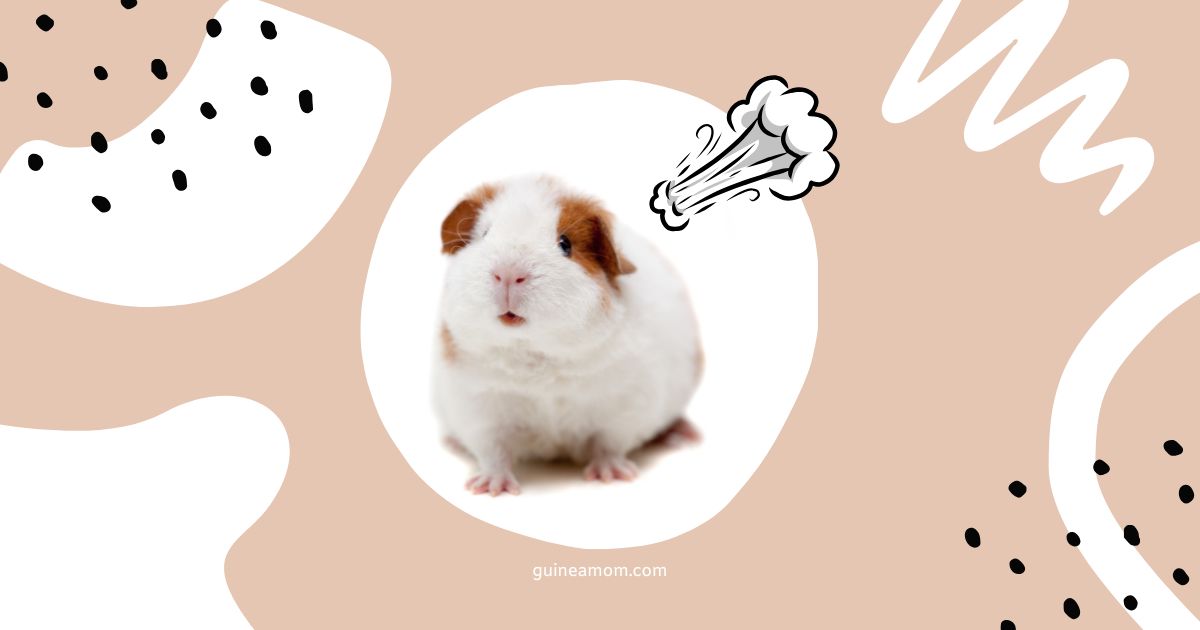
Yes — a little. But because they can’t pass large amounts of gas, a bloated guinea pig is a genuine emergency.
Yes, guinea pigs can fart — passing gas is a normal, natural part of their digestion, just as it is for us. Their farts are usually very subtle, quiet, and odorless, so you’ll rarely notice them. But here’s the crucial thing every owner must know: guinea pigs cannot pass large amounts of gas the way we can. So while a little occasional gas is fine, when gas builds up faster than they can release it, it becomes trapped — a painful, dangerous condition called bloat, which can be fatal if not treated quickly. So the honest answer is “yes, they fart a little — but excess gas is a medical emergency.” Here’s what you need to know to keep your pig safe.
So, Do Guinea Pigs Actually Fart?
You’ll see this debated online, but the accurate answer is: yes, guinea pigs do produce and pass gas as a normal byproduct of digestion. Their gut bacteria break down their high-fiber diet (hay and vegetables), producing gases like methane and carbon dioxide, plus a little air they swallow while eating — and some of this is released as a fart.
The catch is that guinea pig farts are typically very subtle and often completely silent, and usually odorless — so you may never actually notice one. (If you do smell a strong odor, that could hint at a digestive imbalance worth monitoring.)
So the reason some sources say “guinea pigs can’t fart” isn’t that they produce no gas — it’s that they can’t easily pass a large amount of it. And that limitation is where the real health concern lies.
The Real Issue: Guinea Pigs Can’t Pass Large Amounts of Gas
Here’s the key difference between us and guinea pigs. When we get gassy, we can burp or pass wind and feel relief. Guinea pigs can’t do this effectively — they can’t burp, they can’t vomit, and they can only pass small amounts of gas. So when gas builds up faster than their body can release it, it gets trapped in the digestive tract.
This trapped gas is the condition known as bloat (or gastrointestinal bloat/GI stasis), and it’s genuinely dangerous:
- The trapped gas expands and compresses the internal organs
- It slows or stops the gut (gastrointestinal motility)
- This creates a vicious cycle — discomfort reduces appetite, which slows digestion further, allowing even more gas to build
- Left untreated, it can cut off blood supply to organs and become fatal
This is why “can guinea pigs fart?” is actually an important health question, not just a funny one.
Signs of Bloat (a Medical Emergency)
Contact a vet immediately if your guinea pig shows signs of bloat:
- A swollen, distended, hard, or tight belly (it may feel taut like a drum)
- Loss of appetite or refusing food
- Fewer or no droppings
- Lethargy, restlessness, or reluctance to move
- Hunched posture and signs of pain
- Whimpering or squeaking when touched on the belly
- Heavy or labored breathing
Bloat can worsen very quickly, so don’t wait it out — this is a true emergency needing prompt veterinary care.
What Causes Excess Gas and Bloat?
Understanding the causes helps you prevent it. Common triggers include:
- Gas-producing vegetables, especially the cabbage family — broccoli, cauliflower, cabbage, Brussels sprouts, and kale — plus, for some pigs, foods like beans.
- Too much sugary or starchy food, or too many fresh herbs at once.
- Sudden diet changes — a guinea pig’s gut needs consistency; abrupt changes cause upset.
- Eating too fast and swallowing air (in greedy eaters).
- Not enough fiber (hay) — hay keeps the gut moving; without it, digestion slows and gas builds.
- Stress, which affects gut function.
- Dehydration.
How to Prevent Gas and Bloat
- Feed unlimited grass hay — it’s the single most important thing for healthy digestion.
- Limit gas-producing veggies — offer brassicas (broccoli, cabbage, cauliflower) only in small amounts, if at all, and watch how your pig reacts.
- Introduce new foods gradually, one at a time, in small amounts.
- Keep the diet consistent and avoid sudden changes.
- Provide fresh water at all times.
- Encourage gentle activity (floor time), which helps keep the gut moving.
- Know your pig’s normal — normal appetite, droppings, and belly — so you spot changes early.
What to Do If Your Guinea Pig Seems Gassy
If your pig seems mildly uncomfortable or gassy but not in obvious distress, you can:
- Offer plenty of hay and fresh water, and hold off on rich or new foods.
- Gently massage their belly to help move trapped gas, and encourage light movement.
- Keep them warm and calm.
- Monitor closely — but if there’s any sign of significant bloat (hard swollen belly, not eating, no droppings, pain), don’t try to manage it at home — see a vet immediately. Never give gas-relief medications without veterinary guidance.
Key Takeaways
- Yes, guinea pigs fart — it’s a normal part of digestion, usually subtle, silent, and odorless.
- But they can’t pass large amounts of gas — they can’t burp or vomit, so excess gas gets trapped.
- Trapped gas causes bloat — a painful, potentially fatal emergency where gas compresses organs and slows the gut.
- Signs of bloat include a swollen hard belly, loss of appetite, few or no droppings, lethargy, pain, and labored breathing — see a vet immediately.
- Common causes: gassy vegetables (cabbage family), sugary/starchy food, sudden diet changes, eating too fast, too little hay, and stress.
- Prevent it with unlimited hay, limited brassicas, gradual food introductions, a consistent diet, fresh water, and activity.
- Occasional subtle gas is normal — but significant bloat is always an emergency.
This article is intended as general educational information for guinea pig owners and is not a substitute for professional veterinary advice. Bloat is a medical emergency — if your guinea pig has a swollen belly, stops eating, or seems in pain, consult a qualified veterinarian experienced with guinea pigs immediately.