Do Guinea Pigs Eat Less In Hot Weather?
Yes, often — but a drop in appetite can also be an early warning of dangerous heat stress. Here’s how to tell the difference.
Yes — guinea pigs often eat a little less in hot weather, much as we lose our appetite on a sweltering day. A mild dip in pellet or food intake when it’s warm, in a guinea pig who is otherwise acting completely normal — still nibbling hay, drinking, moving around, and alert — is usually nothing to panic about. But here’s the crucial catch: a reduced appetite is also one of the early warning signs of heat stress, which is a genuine, potentially fatal emergency for guinea pigs. So the key is watching the whole picture. If eating less comes alongside lethargy, lying stretched out and flat, fast or open-mouthed breathing, red ears, drooling, or wobbliness, that’s not simple summer appetite loss — that’s heat stress, and it needs a vet immediately. And because guinea pigs must eat almost constantly, a pig that stops eating altogether is always an emergency. Here’s how to tell the difference and keep your pigs safe.
Why Guinea Pigs Are So Vulnerable to Heat
To understand the appetite question, you need to know why heat is such a big deal for guinea pigs. They originated in the cool highlands of the Andes, so they’re built for cooler temperatures — and they have no sweat glands, meaning they can’t cool themselves down by sweating the way we do.
Their ideal temperature range is narrow: roughly 18–23°C (65–75°F). Above that, they start to struggle, and once it exceeds about 28–30°C (82–86°F), they’re at real risk. They also live close to the ground, where warm surfaces, bedding, and enclosed hides can create a hotter microclimate than the surrounding air. In short: guinea pigs tolerate cold far better than heat, and hot weather is genuinely dangerous for them — which is why any heat-related change deserves attention.
Normal Summer Appetite Loss vs. Heat Stress
This is the heart of the matter. A mild, harmless reduction in appetite looks like this:
- Your pig eats a bit less (often leaving some pellets) but is still eating hay and vegetables
- They’re still drinking water
- They’re moving around, alert, and behaving normally otherwise
- No breathing changes, no lethargy, no other symptoms
That’s usually just the heat curbing their appetite a little — keep them cool, make sure hay and water are always available, and monitor them.
By contrast, heat stress is a medical emergency, and appetite loss is just one part of a bigger, alarming picture (see the signs below). The distinction comes down to: is eating less the only change, with your pig otherwise normal — or is it one of several worrying signs?
Warning Signs of Heat Stress (Act Immediately)
If your guinea pig shows any of these — especially alongside reduced appetite — treat it as an emergency:
- Lying stretched out flat on the floor or a cool surface, trying to cool down
- Lethargy and reluctance or inability to move
- Fast, heavy, or open-mouthed breathing / panting
- Red or hot ears
- Drooling or difficulty swallowing
- Weakness, wobbliness, or unsteadiness
- Being unusually quiet (remember, prey animals hide illness — a quiet pig in a heatwave may be in trouble, not resting)
- Rapid, significant weight loss over a short time
- In severe cases: collapse, seizures, or unconsciousness
Guinea pigs can deteriorate very quickly once heat stroke sets in, and it can be fatal. So don’t wait to “see if it improves” — if you see these signs, act now.
What to Do If You Suspect Heat Stress
If your guinea pig is showing signs of overheating:
- Move them to a cooler area immediately — somewhere shaded and airy, or an air-conditioned room.
- Begin gentle cooling — offer a wrapped frozen water bottle or a cool tile to lie against, and you can lightly dampen their fur with cool (not cold) water, or wrap them in a cool, damp towel.
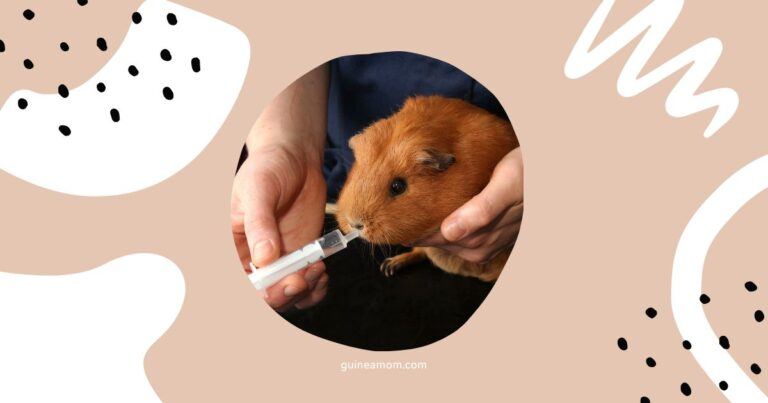
- Offer water — you can gently syringe a little cool water (no needle) if they’ll take it.
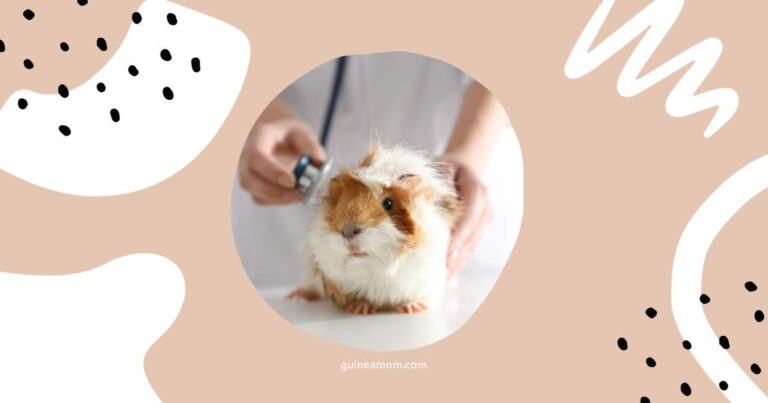
- Contact a vet immediately — heat stroke needs professional care.
Critically — never do these:
- Never plunge or place your guinea pig in cold or icy water. The shock can be dangerous, even fatal. Cooling must be gradual and gentle.
- Never offer ice cubes to chew — a choking hazard and hard on their teeth.
How to Keep Guinea Pigs Cool (and Eating) in Hot Weather
Prevention is far better than treatment. To protect your pigs and keep their appetite up:
- Move their cage out of direct sunlight to the coolest part of the home, and indoors/air-conditioned during heatwaves.
- Provide shade and good airflow (a fan nearby, but not blowing directly on them).
- Offer wrapped frozen water bottles or ceramic/cool tiles for them to lie against.
- Always provide fresh, cool water — several sources if possible, and check bottles aren’t blocked.
- Give hydrating veggies like cucumber and washed, damp leafy greens (a refreshing, water-rich snack that also tempts a heat-reduced appetite).
- Avoid plastic hides that trap heat — use ceramic or open shelters in summer.
- Groom long-haired pigs and keep their coats trimmed (but never shave them — the coat also insulates against heat).
- Keep bedding dry and clean, and check daily for flystrike risk (a serious summer danger, especially around a soiled rear).
- Keep making hay and food available — never restrict it — so they can eat whenever they feel able.
Who’s Most at Risk
Some guinea pigs are especially vulnerable to heat and need extra vigilance:
- Long-haired breeds (Peruvians, Silkies, Texels) — their dense coats trap heat.
- Overweight guinea pigs.
- Elderly and very young pigs.
- Pregnant sows.
- Pigs with existing health problems (heart disease, respiratory issues).
For these pigs, even moderate warmth that a healthy adult would tolerate can become dangerous, so watch them especially closely.
When to Call a Vet
Contact a vet immediately if your guinea pig shows any signs of heat stress (panting, lethargy, lying flat, red ears, drooling, wobbliness, collapse). Also contact a vet if your pig:
- Stops eating altogether (a genuine emergency — guinea pigs must eat near-constantly to keep their gut moving)
- Is producing fewer or no droppings
- Seems generally unwell beyond a mild appetite dip
- Shows rapid weight loss
When it comes to heat, it’s always better to act early and be reassured than to wait.
Key Takeaways
- Yes, guinea pigs often eat a little less in hot weather — a mild dip in an otherwise-normal pig is usually harmless.
- But reduced appetite is also an early sign of heat stress, a potentially fatal emergency — so watch the whole picture.
- Guinea pigs are very heat-vulnerable — they’re built for cool climates, can’t sweat, and do best at 18–23°C (65–75°F).
- Harmless appetite dip = eating a bit less but still eating hay, drinking, moving, and alert. Heat stress = appetite loss plus lethargy, lying flat, panting, red ears, drooling, or wobbliness.
- If you suspect heat stress, move them somewhere cool, cool them gently, and call a vet immediately — never use cold/icy water or ice cubes.
- Prevent it with shade, airflow, cool water, frozen wrapped bottles, hydrating veggies, cool tiles, and keeping cages out of the sun.
- Long-haired, overweight, elderly, young, pregnant, or unwell pigs are most at risk.
- A pig that stops eating entirely is always an emergency — contact a vet straight away.
This article is intended as general educational information for guinea pig owners and is not a substitute for professional veterinary advice. Heat stress and heat stroke are medical emergencies — if your guinea pig shows any warning signs, or stops eating, contact a qualified veterinarian experienced with guinea pigs immediately.