How To Keep Guinea Pigs Warm In Winter
Keeping your piggies cozy and safe through the cold months — indoors and out.
While guinea pigs cope with cold better than heat, winter still poses real risks — they can develop hypothermia and respiratory illness if they get too cold or damp. They do best at 17–23°C (63–73°F), and start to struggle below about 15°C (59°F). To keep them warm: bring outdoor pigs indoors (a porch, shed, or car-free garage) in cold spells, add extra bedding and hay and cozy hideouts, use pet-safe microwavable heat pads (like a SnuggleSafe), keep housing dry, draft-free, and well-ventilated, stop water bottles freezing, and keep pigs in bonded pairs so they can snuggle for warmth. Crucially, never move indoor pigs suddenly outside in winter, and never use heat lamps, electric mats, or clothing. Here’s the full winter-care guide.
Are Guinea Pigs Okay in the Cold?
Guinea pigs handle cold better than heat — but that doesn’t mean winter is safe to ignore. Originally from South America, they’re sensitive to temperature changes, and both extremes make them unwell. They’re comfortable at around 17–23°C (63–73°F), and once the temperature drops below about 15°C (59°F), they’re at risk of getting dangerously cold.
The real dangers in winter are hypothermia (body temperature dropping too low) and respiratory illness (pneumonia and infections), which both the Blue Cross and PDSA highlight as major cold-weather risks. Cold combined with damp is especially dangerous. So keeping guinea pigs warm, dry, and draft-free through winter genuinely protects their health.
A note on “hibernation”: guinea pigs do not hibernate. In cold weather they may sleep more and be less active (a state called torpor), but a guinea pig that seems cold, still, and unresponsive is not hibernating — they’re in danger, and need warming and a vet urgently.
Bring Outdoor Guinea Pigs Indoors
The single best thing you can do for outdoor guinea pigs in winter is bring them inside during cold weather. Options, in order of preference:
- Into your home — but a porch, conservatory, or utility room is often ideal, as the main house can be too warm and stuffy (and the contrast when they go back out is harder on them).
- A shed or a car-free garage — never a garage used for cars, as exhaust fumes can be fatal.
Honestly, many owners simply keep guinea pigs indoors year-round for exactly these reasons — it’s the safest option.
Critical warning: never move an indoor guinea pig suddenly outdoors in winter. A sudden temperature change can make them seriously ill. If pigs are living inside, keep them inside until the weather is consistently warm again.
If They Stay Outside: Winterproof the Hutch
If guinea pigs must stay outside, prepare their housing thoroughly:
- Make it waterproof and draft-proof — position it in a sheltered spot where wind, rain, and snow can’t reach, and use windbreaks.
- Insulate it — thick layers of newspaper on the floor, plenty of extra bedding hay in sleeping areas, hideys, and tunnels.
- Cover the housing with a thick blanket or a fitted cover — but ensure there’s still airflow inside (never seal it completely, which traps damp and stale air).
- Raise the hutch off the cold ground if possible.
- Keep it bone dry — change any wet bedding daily and clean thoroughly weekly, since damp is as dangerous as cold.
Extra Bedding and Cozy Hideouts
Whether indoors or out, cozy bedding is your pig’s main source of warmth:
- Add extra bedding and hay — guinea pigs burrow into it to stay warm, and hay is both insulation and food.
- Provide plenty of snuggly hideouts — solid wooden hideouts with one entrance are warmest (they reduce drafts), plus fleece tunnels and cuddle cups.
- Use guinea-pig-safe fleece blankets for extra coziness.
- Keep bedding dry — damp bedding chills a pig fast, so change it promptly.
Safe Heating Options
Some pigs — especially outdoor ones — benefit from extra warmth:
- ✅ Pet-safe microwavable heat pads (such as a SnuggleSafe) are the recommended option. They last several hours; always keep the cover on and bury them under bedding so the heat isn’t directly on the skin.
- ✅ A safe, indirect heat source for the room.
⚠️ Never use these — they’re genuinely dangerous:
- Heat lamps — fire risk and can overheat or burn.
- Electric heat mats meant for other uses.
- Radiators as the direct heat source, or placing the cage right against one.
- Clothing or “coats” for guinea pigs — these cause stress, prevent grooming, and can irritate their skin.
- Direct heaters blowing on the cage.
Stop the Water Freezing
A frozen water bottle means a pig that can’t drink — a real winter hazard:
- Insulate the bottle by wrapping it in bubble wrap or an old sock, or use a specially-made bottle cover.
- Press or move the ball in the spout every few hours to stop it freezing in place.
- Check water at least twice daily in freezing weather.
- Many pigs use water bowls — these need checking often too (and an animal-safe heat pad underneath can help).
Companionship Keeps Them Warm
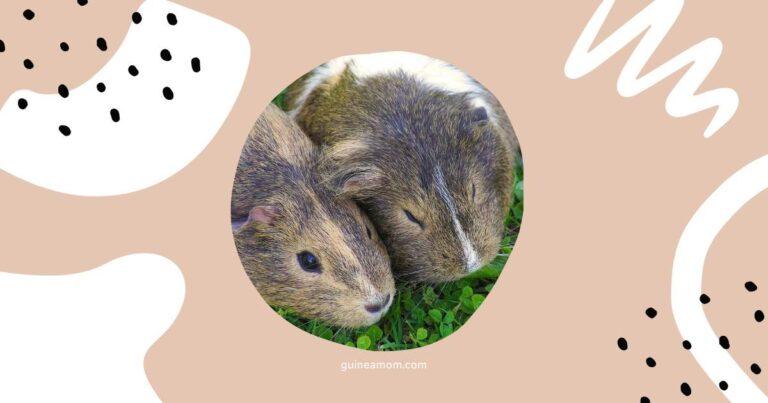
Here’s a lovely bonus reason for the golden rule that guinea pigs should never live alone: bonded pigs snuggle together and share body heat. Two (or more) guinea pigs cuddled up are genuinely warmer than one — so keeping guinea pigs in pairs or a herd isn’t just good for their happiness year-round, it can make a real difference to staying cozy in winter.
Diet in Winter
Keeping warm burns energy, so:
- Provide unlimited hay — constant munching generates body heat and keeps their digestion going.
- Your pigs may eat a bit more in winter to maintain body condition — that’s normal.
- Serve vegetables at room temperature, not fridge-cold, which can chill them and upset their stomach.
- Keep fresh water available (unfrozen!).
Signs a Guinea Pig Is Too Cold
Watch for signs of a pig getting dangerously cold, and act quickly:
- Cold ears and feet, and a cold body
- Shivering
- Lethargy, sluggishness, or unresponsiveness
- Curling up tightly and refusing to move
- Loss of appetite
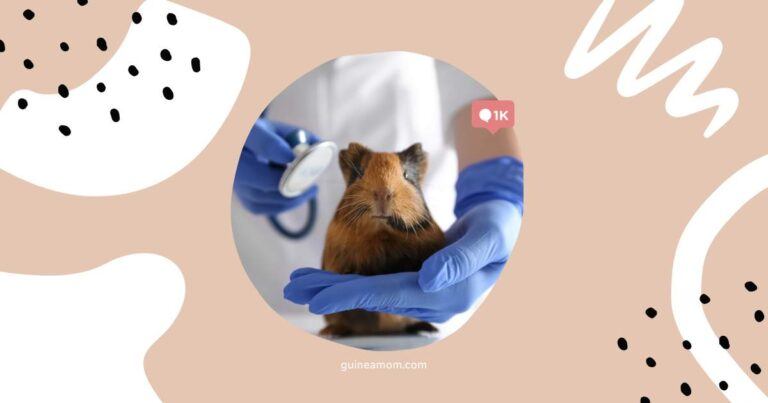
If you see these, gently warm your pig (wrap them in a warm towel, use a covered heat pad, hold them against your body warmth) and contact a vet promptly — hypothermia is dangerous, and respiratory illness can follow cold exposure.
Key Takeaways
- Guinea pigs cope with cold better than heat, but winter still poses real risks — hypothermia and respiratory illness.
- They’re comfortable at 17–23°C (63–73°F) and struggle below about 15°C (59°F).
- Bring outdoor pigs indoors in cold weather (a porch, shed, or car-free garage — never a garage with car fumes).
- Never move indoor pigs suddenly outdoors, and remember guinea pigs don’t hibernate — a cold, still pig is in danger.
- If outdoors, winterproof the hutch — waterproof, draft-proof, insulated, covered (with airflow), and bone dry.
- Add extra bedding, hay, and cozy wooden hideouts, and use pet-safe microwavable heat pads (covered, under bedding).
- Never use heat lamps, electric mats, radiators as direct heat, or clothing.
- Stop water bottles freezing (wrap them, move the ball, check twice daily), and keep pigs in pairs so they can snuggle for warmth.
- Know the too-cold signs (shivering, cold body, lethargy) and warm them gently and see a vet if needed.
This article is intended as general educational information for guinea pig owners and is not a substitute for professional veterinary advice. If your guinea pig shows signs of hypothermia or respiratory illness, contact a qualified veterinarian experienced with guinea pigs promptly.