Symptoms Of Vitamin C Deficiency In Guinea Pigs
How to recognize scurvy early — from the first subtle signs to the serious ones that need urgent care.
The symptoms of vitamin C deficiency (scurvy) in guinea pigs often start subtly and come and go, which makes them easy to miss — so knowing what to look for matters. Early signs include a rough, unkempt coat, eating less, weight loss, and mild lethargy. As it progresses, you’ll see the more distinctive signs: reluctance or difficulty moving, a stiff or limping gait, swollen and painful joints, squealing when touched or picked up, bleeding or swollen gums, bruising, and poor wound healing, along with diarrhea and increased infections. Because these overlap with other illnesses — and because guinea pigs hide sickness — any combination of these warrants a prompt vet visit. The good news is that caught early, scurvy is very treatable. Here’s a detailed guide to recognizing every stage.
Why the Symptoms Are Easy to Miss
Vitamin C deficiency is one of the trickiest guinea pig conditions to spot early, for two reasons.
First, guinea pigs are prey animals that instinctively hide illness — showing weakness in the wild attracts predators, so a sick guinea pig works hard to appear normal until they’re quite unwell.
Second, scurvy symptoms often wax and wane and start vaguely — a slightly rough coat here, a bit less appetite there — so owners frequently don’t realize anything’s wrong until the more obvious signs (like limping) appear. This is exactly why regular observation and weekly weigh-ins are so valuable: they catch the subtle early changes before scurvy becomes advanced.
Early Symptoms (Watch for These First)
These are the initial, easily-overlooked signs. Catching scurvy at this stage means the easiest treatment and fullest recovery:
- A rough, dull, or unkempt coat. One of the earliest visible changes — the fur loses its sleek, groomed look and may appear ruffled or greasy.
- Reduced appetite. Your pig eats less enthusiastically, or leaves more food than usual.
- Weight loss. Often the first measurable sign — which is why weighing weekly on a kitchen scale is one of the best early-warning tools you have. A pig can be losing weight before anything else looks wrong.
- Mild lethargy. Less active, less curious, spending more time still or hunched.
- Being quieter than usual or less interested in interaction.
At this stage, nothing may look dramatically wrong — but a combination of a rough coat, eating less, and losing weight is a real red flag.
Progressing Symptoms
As the deficiency continues, the signs become more pronounced and more specific to scurvy:
- Reluctance to move. Your pig moves around less and may seem to avoid it.
- Difficulty walking, stiffness, or a limp. Often described as a “walking on eggshells” gait, or dragging the back legs.
- Swollen, painful joints. Particularly the leg joints (knees, ankles, wrists), which may look enlarged or feel tender — a hallmark of scurvy caused by failing collagen.
- Squealing or crying out when moving, being handled, or picked up — a sign of genuine pain.
- A hunched posture and general appearance of discomfort.
The joint and movement problems are the most distinctive scurvy signs, because vitamin C is essential for the collagen that keeps joints, cartilage, and connective tissue healthy.
Advanced and Serious Symptoms
Left untreated, scurvy becomes severe and can be life-threatening. Serious signs include:
- Bleeding and swollen gums, and bleeding under the skin or in the tissues (bruising) — because weak blood vessels leak.
- Small bruise-like spots on the skin or ears.
- Poor wound healing — cuts and grazes that don’t heal, or heal very slowly.
- Frequent infections, especially respiratory infections, as the immune system weakens.
- Dental problems and difficulty eating (which worsens the deficiency in a vicious cycle).
- Diarrhea, and in severe cases bloody diarrhea.
- Severe weakness, collapse, or refusal to eat entirely.
At this stage the situation is genuinely urgent — untreated scurvy can lead to permanent joint damage or death.
The Symptom That’s Always an Emergency
Whatever the cause, a guinea pig that has completely stopped eating is a medical emergency. Guinea pigs must eat almost constantly to keep their digestive system moving — going even a short time without food can trigger a life-threatening condition called gastrointestinal stasis. So if scurvy (or anything else) has stopped your pig eating, contact a vet immediately, day or night. Don’t wait to see if it improves.
How to Tell Scurvy Apart From Other Conditions
Here’s an important nuance: several scurvy symptoms overlap with other guinea pig illnesses, so you can’t always be certain it’s vitamin C deficiency from the signs alone. For example:
- Limping and stiffness can also mean arthritis, an injury, or bumblefoot (sore feet).
- Weight loss and reduced appetite can indicate dental disease or many other problems.
- Rough coat and lethargy are non-specific — they accompany all sorts of illness.
- Respiratory infection shares the “unwell, off food” picture.
This overlap is why a vet visit is essential rather than self-diagnosing. That said, scurvy is so common in guinea pigs — and vitamin C supplementation so safe and simple — that vets often address possible deficiency as part of treatment regardless. The distinctive combination that most strongly suggests scurvy is swollen/painful joints + reluctance to move + rough coat + weight loss, especially in a pig whose diet may have been low in vitamin C (for instance, one fed old pellets or few fresh vegetables).
What to Do If You Notice These Symptoms
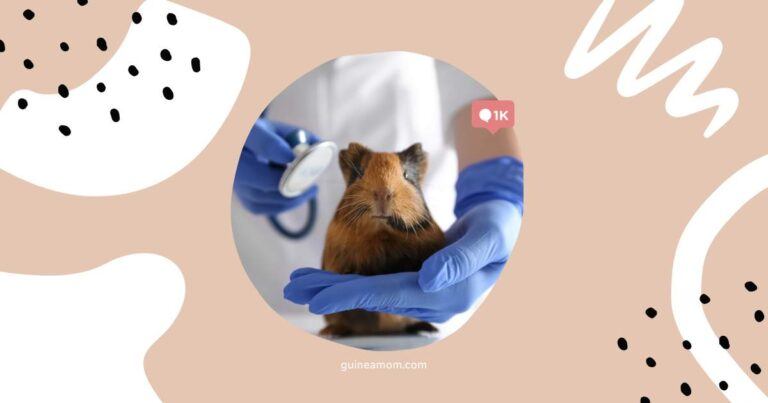
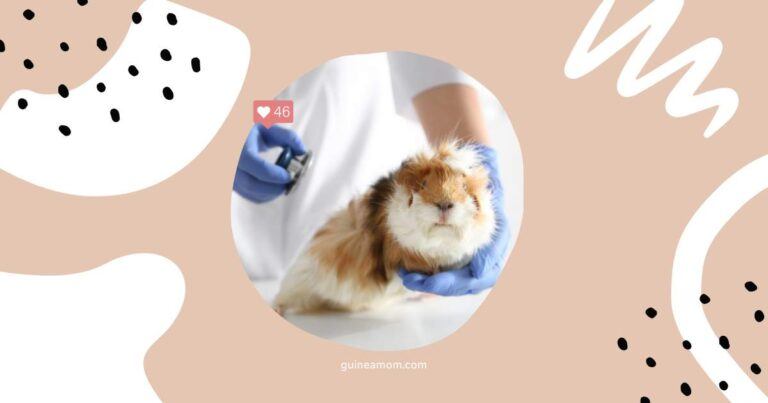
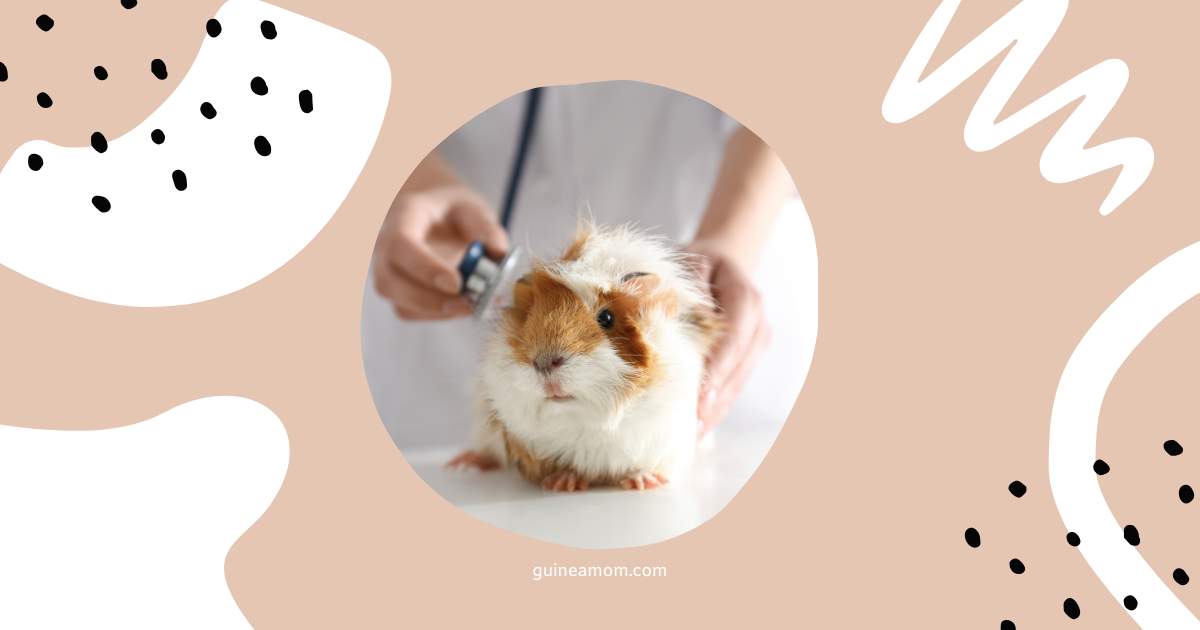
- See a vet promptly — ideally a guinea-pig-savvy exotic vet. Early treatment brings the best outcome.
- Don’t delay, and treat a pig that’s stopped eating as an emergency.
- Review the diet — have they been getting daily vitamin-C-rich vegetables? Are the pellets fresh (under ~90 days old)?
- Boost vitamin C in the meantime with fresh bell pepper and other vitamin-C foods — but still see the vet, and confirm any supplement doses with them.
- Keep weighing your pig to track their condition.
With prompt care, most guinea pigs recover fully within a few weeks, so early recognition genuinely saves suffering.
(For full details on causes, vitamin C requirements, treatment, and prevention, see our main guide: Guinea Pig Vitamin C Deficiency (Scurvy).)
Key Takeaways
- Scurvy symptoms start subtly and wax and wane, and guinea pigs hide illness — so early signs are easy to miss.
- Early signs: a rough, unkempt coat, eating less, weight loss (often the first measurable sign), and mild lethargy.
- Progressing signs: reluctance to move, stiffness or limping, swollen/painful joints, squealing when handled, and a hunched posture.
- Advanced signs: bleeding/swollen gums, bruising, poor wound healing, frequent infections, dental problems, diarrhea (sometimes bloody), and severe weakness.
- The joint and movement problems are the most distinctive signs of scurvy.
- A pig that has stopped eating is always an emergency — contact a vet immediately.
- Symptoms overlap with other conditions (arthritis, dental disease, injury, infection), so a vet visit is essential rather than self-diagnosing.
- Act promptly — with early treatment, most guinea pigs recover fully within a few weeks.
This article is intended as general educational information for guinea pig owners and is not a substitute for professional veterinary advice. If your guinea pig shows any of these symptoms, consult a qualified veterinarian experienced with guinea pigs promptly — and treat a pig that has stopped eating as an emergency.