Guinea Pig Care Tips: The Complete Guide
Everything you need to keep your guinea pigs healthy and happy — the essentials, in one place.
Great guinea pig care comes down to a handful of essentials: keep your pigs with a companion (they’re social herd animals), house them in a spacious, clean, safe home, feed a diet built on unlimited hay plus daily vegetables and vitamin C, provide constant fresh water, handle them gently, keep up basic grooming, and stay alert to health problems (since guinea pigs hide illness). Get these fundamentals right and you’ll have contented, healthy pigs that can live 5 to 7 years or more. This guide pulls together the key care tips across every area — and links to our in-depth articles if you want to go deeper on any topic.
Tip 1: Never Keep a Guinea Pig Alone
Guinea pigs are social herd animals, and companionship is one of the most important things for their wellbeing — arguably as vital as food and shelter. A lone pig is prone to loneliness and stress, so wherever possible, keep at least two compatible guinea pigs together.
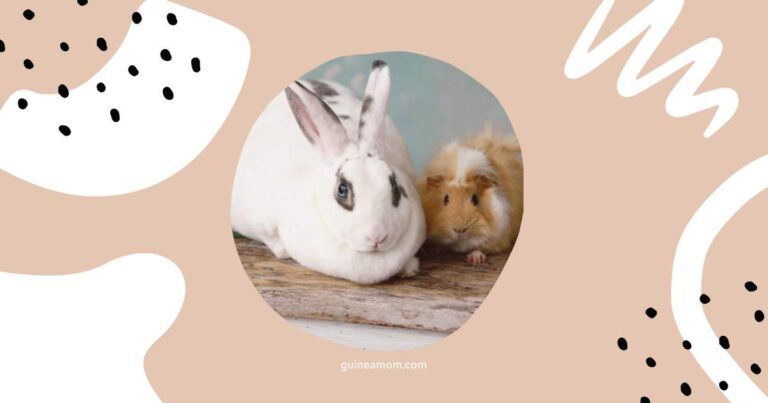
Good pairings include two sows, or a neutered boar with a sow. Introduce new pigs carefully on neutral territory, and never house guinea pigs with rabbits, who have different needs and can injure them. A bonded pair grooming, chatting, and snuggling together is one of the real joys of keeping these animals.
Learn more: Guinea Pig Social Needs and Care.
Tip 2: Provide a Spacious, Safe Home
Most pet-shop cages are far too small. Guinea pigs are active and need room to run and explore, so prioritize floor space (they’re ground dwellers — height matters little). Choose an enclosure with a solid floor (never wire, which harms their feet) and good ventilation, and place it somewhere calm and temperature-stable, away from predators, drafts, and direct sun. Indoors is usually best.
Add multiple hidey-houses so your prey-animal pigs feel secure, use safe bedding (fleece or paper-based — never pine or cedar shavings), and keep it all clean with regular spot-cleaning and fuller cleans. A good home prevents a surprising number of health and behavior problems.
Tip 3: Feed a Hay-Based Diet
Diet is where many owners go wrong, but the rule is simple: unlimited grass hay should make up the bulk of what your pigs eat, available 24/7. Hay keeps their ever-growing teeth worn down and their digestion moving — preventing two whole categories of illness.
On top of hay, provide a daily portion of fresh vegetables (about a cup per pig, built mostly from low-sugar, low-calcium options like bell pepper and leafy greens), a small amount of quality pellets, and constant fresh water. Keep fruit and sugary treats occasional.
Tip 4: Don’t Forget Vitamin C
Here’s a care tip unique to guinea pigs: they can’t make their own vitamin C and need it from their diet every single day, or they develop scurvy. Provide it reliably through vitamin-C-rich vegetables (bell peppers are excellent) and a vitamin-C-fortified pellet. It’s best not to rely on vitamin C drops in the water, which degrade quickly and can put pigs off drinking.
Tip 5: Handle Them Gently and Build Trust
Guinea pigs are prey animals, so trust takes patience. Let a new pig settle before lots of handling, then win them over gradually with a calm voice and hand-fed treats. When you pick one up, support the whole body — one hand under the chest, one under the bottom — hold them close, and stay low to the ground in case they leap. Never grab from above, chase, or squeeze. Gentle, consistent handling turns a nervous pig into a trusting companion.
Tip 6: Keep Up Basic Grooming
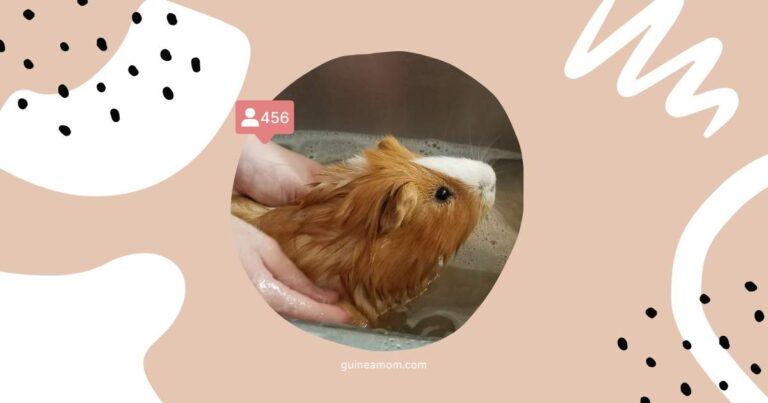
Grooming keeps your pigs healthy and is a great chance to spot problems early. Brush according to coat type (occasional for short-haired pigs, daily for long-haired ones), trim nails every few weeks, and keep an eye on the rear end and grease gland, especially in long-haired pigs and older boars. Guinea pigs rarely need baths — they keep themselves clean, and over-bathing harms their skin. Use grooming time to check eyes, ears, teeth, feet, and skin.
Tip 7: Watch for Signs of Illness
Because guinea pigs instinctively hide illness, staying alert is a core care skill. Learn your pigs’ normal behavior and weigh them regularly — a drop in weight or appetite is often the first sign of a problem. Warning signs to act on include not eating, fewer or no droppings, lethargy, hunching, breathing trouble, or a change in droppings. Find a guinea-pig-savvy (exotic) vet before you need one, and seek help promptly, since guinea pigs can decline fast.
Tip 8: Manage Temperature Carefully
Guinea pigs are sensitive to heat and cope poorly with it — they can overheat at temperatures that only feel warm to us. Keep them out of direct sun, ensure good airflow, and offer cooling aids (like a wrapped frozen bottle) on hot days. In cold weather, protect against drafts and provide extra cozy bedding. A stable, comfortable temperature is an underrated but important part of care.
Tip 9: Provide Enrichment and Exercise
A bored guinea pig is an unhappy one. Provide tunnels, safe chew toys, and foraging opportunities (like scattered hay or hidden veg), and give supervised floor time in a safe, enclosed area to run and explore. Enrichment and exercise keep your pigs physically fit and mentally engaged — and help prevent obesity and low mood.
Tip 10: Commit for the Long Haul
Finally, remember that a guinea pig is a multi-year commitment — commonly 5 to 7 years, sometimes longer. Good care means being ready to provide companionship, proper food, a clean home, and vet care for their whole life. It’s a genuinely rewarding commitment, and these charming, characterful little animals give a lot of joy in return.
Go Deeper
This guide covers the essentials, but each area has more to explore. For the details, see our in-depth articles on guinea pig diet, housing, common illnesses, social behavior, grooming, and lifespan — and much more across the blog.
Key Takeaways
- Never keep a guinea pig alone — they’re social animals who need a compatible companion.
- Provide a spacious, clean, safe home with solid floors, safe bedding, hidey-houses, and a calm, temperature-stable location.
- Feed a hay-based diet — unlimited grass hay, daily veg, a little pellet, and constant fresh water.
- Supply daily vitamin C, since guinea pigs can’t make their own.
- Handle gently and patiently to build trust with these prey animals.
- Keep up basic grooming — brushing, nail trims, and hygiene checks — and bathe only rarely.
- Watch closely for illness — weigh regularly, know the warning signs, and have a guinea-pig-savvy vet.
- Manage temperature, provide enrichment and exercise, and commit to their care for the long haul (5–7 years or more).
This article is intended as general educational information for guinea pig owners and is not a substitute for professional veterinary advice. For guidance on your guinea pig’s specific health and care needs, consult a qualified veterinarian experienced with guinea pigs.