Guinea Pig Sleeping Habits
Why your piggy naps with its eyes open, sleeps so little, and never seems to stop — explained.
Guinea pigs have wonderfully unusual sleeping habits. They’re crepuscular — most active at dawn and dusk — rather than nocturnal or fully daytime animals, and they sleep in short naps spread across both day and night rather than in one long stretch. Remarkably, they only need about four to six hours of sleep a day in total, taken as many little “power naps.” And here’s the famous one: guinea pigs often sleep with their eyes open, a prey-animal instinct to stay alert — so if your pig closes its eyes to sleep, take it as a lovely compliment, because it means they feel completely safe with you. They like to nap in dark, cozy, enclosed spots, and big changes in their sleep can be a useful early health clue. Here’s the full picture of how guinea pigs sleep.
Are Guinea Pigs Nocturnal?
This is one of the most common questions, and the answer is no — guinea pigs are not nocturnal (they’re not strictly daytime animals either). They’re best described as crepuscular, meaning they’re most active during the twilight hours of dawn and dusk.
In practice, though, their sleep is spread throughout the whole 24-hour cycle — they don’t have a set schedule, and they nap in short bursts during both day and night. This is why you’ll rarely catch your guinea pig in a long, deep sleep, and why they always seem to be awake, munching, and pottering about whenever you look. Interestingly, pet guinea pigs may also partly adapt to their human family’s routine over time. So if you were hoping for a pet that sleeps neatly through the night, guinea pigs march to their own (very flexible) drum.
How Much Do Guinea Pigs Sleep?
Surprisingly little! Guinea pigs need only around four to six hours of sleep per day in total — far less than many pets, and taken in a scattered, fragmented way rather than all at once.
They’re expert “power nappers,” typically taking numerous short naps throughout the day and night. Individual naps often last just a few minutes to around 30 minutes, and a pig may have many of these little recharges over a day. Some pigs — especially older ones or those settled into a comfortable routine — may nap for slightly longer stretches. This is exactly why guinea pigs seem almost constantly awake and busy: with such short naps, they’re rarely “off” for long.
Why Do Guinea Pigs Sleep So Little — and in Short Bursts?
The answer lies in their history as prey animals. Guinea pigs originated in the Andes of South America, where, near the bottom of the food chain, they were constantly at risk from predators. A small animal that falls into a long, deep sleep leaves itself dangerously vulnerable.
So guinea pigs evolved to sleep in short, light, fragmented bursts — enough to rest and recharge, but never so deeply or for so long that they couldn’t wake instantly and flee from danger. Even though your pampered pet faces no predators in your living room, this instinct is hardwired into their DNA. It’s why they nap lightly, wake easily, and stay ready to bolt at a moment’s notice.
Do Guinea Pigs Sleep With Their Eyes Open?
Yes — and this is the habit that surprises (and sometimes worries) owners most. Guinea pigs often sleep with their eyes open, or only partly closed. It’s a clever survival adaptation: keeping their eyes open lets them stay alert to danger, and predators are also less likely to attack prey that appears to be awake.
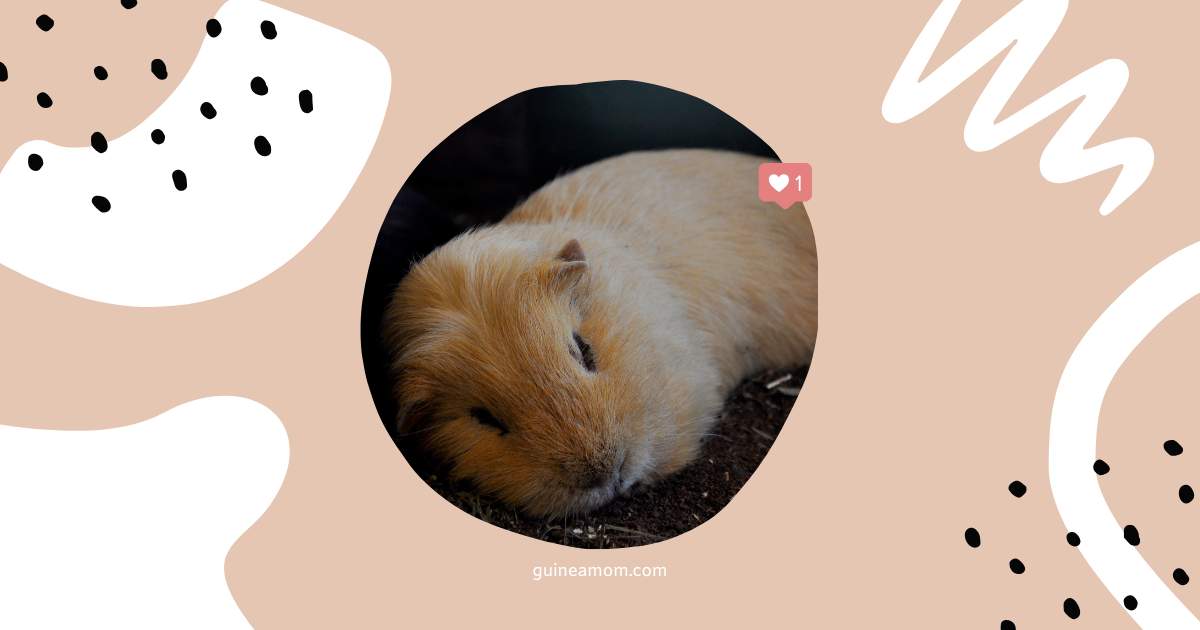
Guinea pigs do have eyelids and can close their eyes — they just rarely do. And here’s the heartwarming part: a guinea pig will usually only close its eyes to sleep when it feels completely safe, secure, and relaxed. So if you catch your pig snoozing with its eyes shut, take it as a genuine compliment — it means they trust you and their home. Not every pig sleeps eyes-open, and that’s fine too; it simply reflects how secure they feel.
One small caution: sleeping-with-eyes-open is normal, but if open eyes come alongside lethargy, not eating, or generally unusual behavior, that could signal illness rather than restful napping — so always read it in context.
How and Where Do Guinea Pigs Sleep?
Guinea pigs sleep in a variety of ways, and knowing what’s normal helps you spot when they’re simply resting. They may doze sitting upright and very still (sometimes looking almost trance-like or glazed), or lying down. You might see little twitches of their whiskers or feet as they nap, which is completely normal. When a pig feels really secure, it may stretch right out or flop onto its side — a lovely sign of comfort and trust.
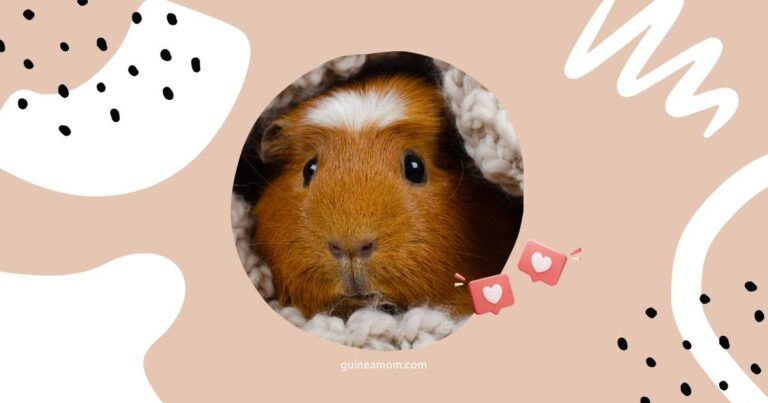
As for where, guinea pigs instinctively prefer dark, enclosed, secure spots that mimic the sheltered burrows their wild ancestors used. That’s why they love to nap inside hidey-houses and tunnels, in shaded corners, or tucked against a wall (which protects their backs). And because they’re social animals, bonded pigs often sleep close together, huddling for warmth and security.
How to Help Your Guinea Pig Sleep Well
Good rest keeps your pig healthy, so a few things help them sleep comfortably:
- Provide hidey-houses — at least one per pig — plus tunnels and cozy, dark, enclosed spaces where they feel safe.
- Use soft, comfortable bedding (fleece or paper-based), never wire floors!
- Keep their home in a calm, quiet spot, away from loud noise and constant disturbance.
- Maintain a stable, comfortable temperature, since guinea pigs are sensitive to extremes.
- Keep a consistent routine, which helps them feel secure.
- Offer companionship — a compatible friend to huddle and rest with.
- Don’t disturb a napping pig — let them take their little power naps in peace.
A secure, cozy environment lets your guinea pig get the quality rest they need.
When Sleep Habits Signal a Health Problem
Because guinea pigs hide illness, changes in their sleep can be a useful early warning. Keep an eye out for:
- Sleeping much more than usual, especially if combined with not eating — this can indicate illness or depression.
- Major, lasting changes to their normal sleep routine.
- Lying on their side for unusually long periods — while some pigs just find this comfy, prolonged or out-of-character side-lying can occasionally signal a problem.
- Lethargy or seeming “switched off” rather than restfully napping.
If you notice any of these, especially alongside changes in eating or behavior, it’s worth a visit to a guinea-pig-savvy vet, since guinea pigs mask illness well and early attention matters.
Key Takeaways
- Guinea pigs are crepuscular — most active at dawn and dusk, not nocturnal — and nap across both day and night.
- They sleep only about four to six hours a day, in short “power naps” of a few minutes to around 30 minutes.
- They sleep in short, light bursts because, as prey animals, long deep sleep would leave them vulnerable.
- Guinea pigs often sleep with their eyes open to stay alert — and closing their eyes to sleep is a sign they trust and feel safe with you.
- They nap in various positions (upright, lying down, stretched out) and prefer dark, enclosed spots like hideys, often sleeping close to companions.
- Help them rest with hideys (one per pig), soft bedding, a calm quiet location, stable temperature, routine, and companionship.
- Watch for sleep changes as a health clue — oversleeping with poor appetite, lethargy, or unusual side-lying can signal illness and warrant a vet check.
This article is intended as general educational information for guinea pig owners and is not a substitute for professional veterinary advice. If your guinea pig’s sleep or activity changes noticeably, or they seem lethargic or off their food, please consult a qualified veterinarian experienced with guinea pigs.