Why Do Guinea Pigs Need Hay?
Hay isn’t just food — it’s the single most important thing in a guinea pig’s diet. Here’s why.
Hay is the cornerstone of a guinea pig’s diet — making up around 80% of what they eat — and they need it for three essential reasons. First, dental health: a guinea pig’s teeth grow continuously throughout their life (up to about 1.5mm a week!), and the constant chewing of fibrous hay is what wears them down and prevents painful dental disease. Second, digestion: guinea pigs have a fiber-dependent digestive system that must keep moving constantly — without enough hay, their gut slows or stops, a life-threatening condition. Third, mental and physical wellbeing: foraging, chewing, and nestling in hay keeps them occupied and content. Pellets and vegetables simply cannot replace hay for these jobs. That’s why guinea pigs need unlimited hay, available at all times. Here’s the full explanation.
Hay Is the Foundation of the Whole Diet
Before the “why,” here’s the scale of it: hay should make up about 80% of a guinea pig’s daily diet (estimates range from 70–90%, but 80% is the standard figure). Everything else — fresh vegetables, a small amount of pellets, the occasional fruit treat — fills in the remaining fifth. Nothing else in a guinea pig’s diet comes close to this importance.
As one vet guide puts it, when you bring a guinea pig home, the single most important thing you can provide is hay. So why does this humble dried grass matter so much? Three big reasons.
Reason 1: Hay Keeps Their Teeth Healthy
This is one of the most important — and most surprising to new owners. A guinea pig’s teeth never stop growing. They’re what’s called “open-rooted” or hypselodont teeth, continuously growing throughout the animal’s entire life, by as much as 1.5mm every week.
If those ever-growing teeth aren’t constantly worn down, they become overgrown, causing serious dental disease — painful spurs, misaligned bites, mouth injuries, difficulty eating, and a cascade of related health problems. Dental disease is one of the most common serious issues in guinea pigs.
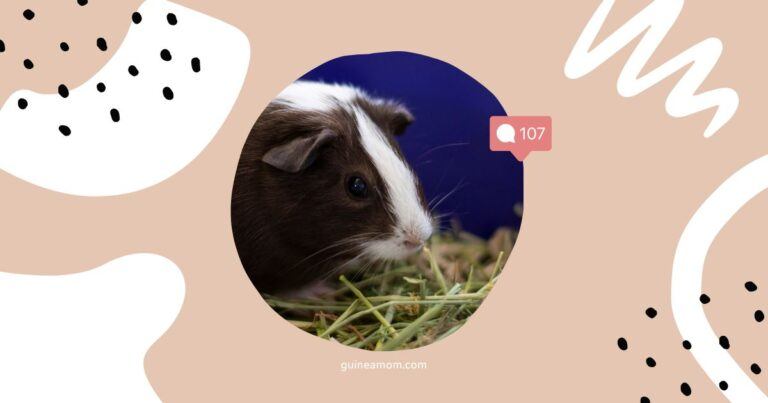
The solution is chewing hay. The long strands of fibrous hay require lots of grinding, side-to-side chewing — and the hay even contains tiny abrasive particles (called phytoliths) that help file the teeth down as your pig munches. No other food does this job: pellets and vegetables are chewed too quickly and don’t provide the sustained grinding teeth need. Constant hay-chewing is what keeps a guinea pig’s teeth at a healthy length.
Reason 2: Hay Keeps Their Digestion Moving
The second essential job is digestive. Guinea pigs are herbivores with a specialized, fiber-dependent digestive system that is built to process a near-constant flow of high-fiber food.
Here’s how it works: the fiber in hay keeps food moving steadily through the gut (a process called gut motility or peristalsis), and hay is fermented in a part of their intestine called the caecum, producing fatty acids and vitamins essential to their health. Their whole system depends on this continuous fiber intake.
The danger comes when there isn’t enough fiber. Without sufficient hay, gut movement slows down and can stop altogether — a serious, life-threatening condition called gastrointestinal (GI) stasis, where the digestive system grinds to a halt. This is a genuine emergency. So the steady supply of fiber from hay is quite literally keeping their digestive system alive and moving. (A good sign it’s working: a healthy, hay-munching guinea pig poops a lot throughout the day.)
Reason 3: Hay Supports Mental and Physical Wellbeing
Beyond teeth and digestion, hay plays a genuine role in a guinea pig’s happiness and natural behavior:
- Foraging and enrichment — rummaging through hay to find the tastiest bits satisfies their natural grazing instinct and keeps them mentally occupied.
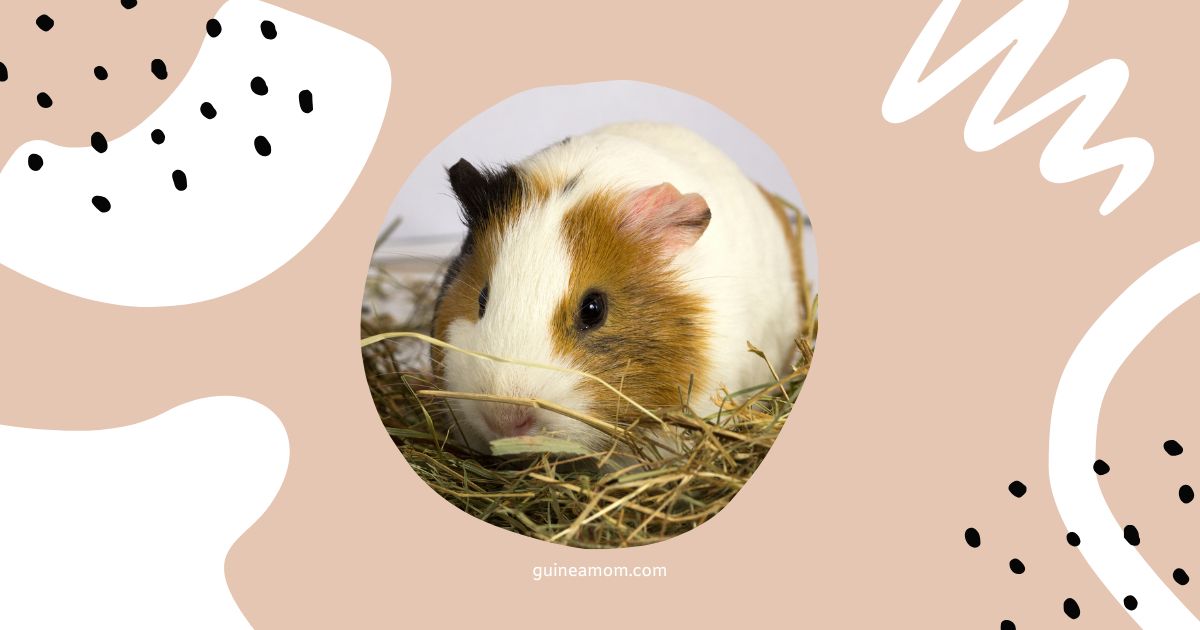
- Comfort and security — guinea pigs love to burrow, nestle, and even sleep in hay, which helps them feel safe.
- Activity — grazing keeps them gently active throughout the day, which supports a healthy weight.
A guinea pig with plenty of hay is a busier, more content, more natural-behaving pig — boredom and the problems that come with it (stress, bar-chewing) are far less likely.
Why Pellets and Veggies Can’t Replace Hay
It’s worth being clear on this, because some owners assume pellets (which look like concentrated food) are the main meal. They’re not. Pellets and vegetables cannot do hay’s jobs:
- They don’t provide the sustained chewing teeth need to wear down.
- They don’t supply the constant high fiber the gut depends on.
- In fact, too many pellets are harmful — guinea pigs often prefer them to hay, so overfeeding pellets fills them up and makes them eat less hay, leading to dental and digestive problems (and obesity).
So pellets are a small supplement (a source of concentrated nutrients and stabilized vitamin C), vegetables provide vitamin C and variety, but hay is the main event. Keep pellets limited precisely so your pig eats plenty of hay.
One Thing Hay Doesn’t Provide: Vitamin C
A quick but important caveat: while hay is essential, it does not provide enough vitamin C, which guinea pigs can’t make themselves and need daily to avoid scurvy. That’s what the fresh vegetables (especially bell pepper) and fortified pellets are for. So hay is the foundation, but it works alongside a vitamin-C source — hay alone is not a complete diet.
Learn to spot the warning signs in our guide to the symptoms of vitamin C deficiency in guinea pigs.
Key Takeaways
- Hay is the cornerstone of a guinea pig’s diet — about 80% of what they eat — and nothing else can replace it.
- Dental health: their teeth grow continuously (up to ~1.5mm/week), and chewing fibrous hay is what wears them down and prevents painful dental disease.
- Digestion: guinea pigs have a fiber-dependent gut that must keep moving — too little hay causes life-threatening GI stasis.
- Wellbeing: foraging, chewing, and nestling in hay keep them occupied, content, and naturally active.
- Pellets and veggies can’t replace hay — they don’t provide the sustained chewing or constant fiber, and too many pellets reduce hay intake.
- Hay doesn’t provide vitamin C, though — guinea pigs still need daily vitamin C from vegetables and fortified pellets.
- The takeaway: provide unlimited, fresh hay at all times — it’s the single most important part of guinea pig care.
This article is intended as general educational information for guinea pig owners and is not a substitute for professional veterinary advice. If your guinea pig stops eating hay or shows signs of dental or digestive problems, consult a qualified veterinarian experienced with guinea pigs promptly.