How To Clip Guinea Pigs’ Nails?
A gentle step-by-step guide to trimming your piggy’s nails safely at home.
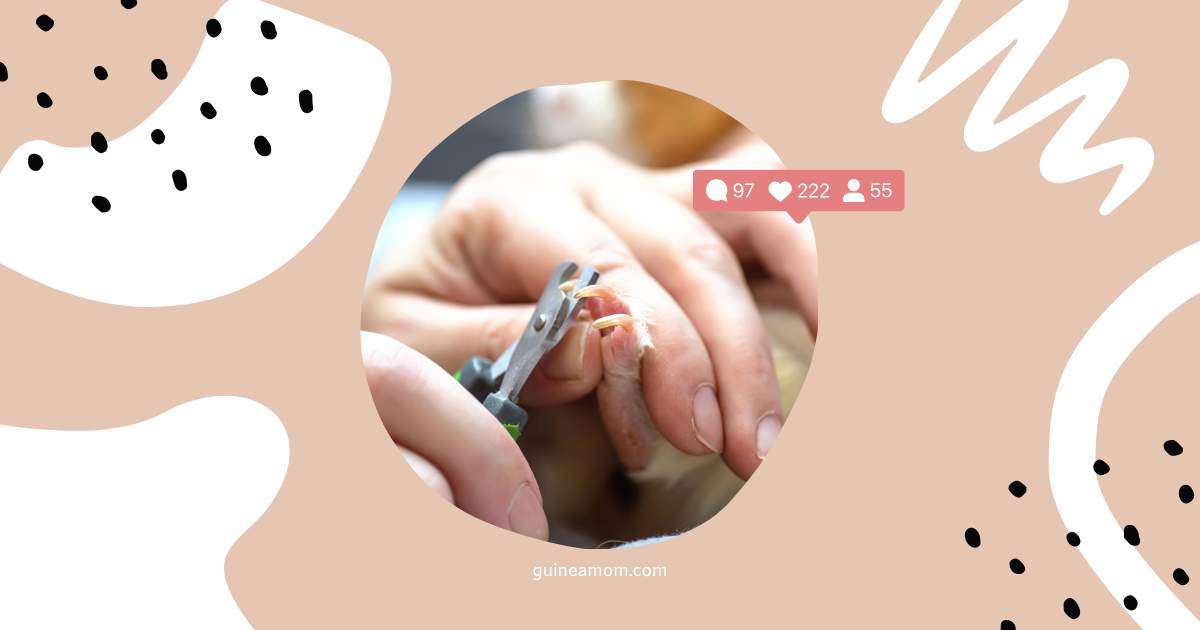
Yes, you can clip your guinea pig’s nails at home — and with a calm approach, it’s simpler than it looks. You’ll need small-animal or human nail clippers, good lighting, and (just in case) some styptic powder or cornflour. Hold your pig securely and comfortably, gently take one foot, and clip only the tip of each nail, avoiding the pink “quick” — the blood vessel inside the nail, which is easy to see in pale nails but hidden in dark ones. Go slowly, a few nails at a time, reward your pig with treats, and don’t force it. Nails should be trimmed roughly every two to four weeks. If your pig has dark nails you can’t read, or you’re nervous, a vet or groomer can do it or show you how. Here’s the full step-by-step.
Why Nail Trimming Matters
Guinea pigs’ nails, like their teeth, grow continuously throughout their lives — and unlike in the wild, pet pigs don’t wear them down enough naturally. Left untrimmed, nails become overgrown: they curl round, snag on things, grow into awkward shapes, and can even curl into the footpad, causing pain, injury, and difficulty walking.
So regular nail trimming isn’t optional — it’s an essential part of routine care that keeps your pig comfortable and mobile. The good news is that once you get the hang of it, it’s a quick, straightforward task you can do at home.
How Often Should You Clip Guinea Pig Nails?
As a general guide, guinea pig nails need trimming roughly every two to four weeks — about once a month for many pigs, though it varies. Some pigs’ nails grow faster than others, so the best approach is to check them regularly and trim whenever they’re getting long. Nails that are starting to curve or catch on things are due for a clip. Keeping to a regular schedule makes each trim smaller and easier (for both of you).
What You’ll Need
Gather everything before you start, so the trim is quick and calm:
- Nail clippers — small-animal nail clippers are ideal, but human nail clippers (or even baby nail clippers) work well for guinea pigs’ small nails.
- Good lighting — essential for seeing the quick, especially on darker nails.
- Styptic powder or cornflour (cornstarch) — to stop bleeding if you accidentally nick the quick. Keep it within reach, just in case.
- Treats — to reward your pig and keep the experience positive.
- A towel — useful for gently wrapping a wriggly pig.
- A helper (optional) — one person to hold and reassure, one to clip, makes things much easier.
Understanding the Quick
Before you clip, it’s important to understand the quick — the key to trimming safely. The quick is the pink blood vessel and nerve that runs inside the nail. Your goal is to clip the nail below (beyond) the quick, taking only the tip — cutting into the quick is painful and causes bleeding.
- On pale or clear nails, the quick is easy to spot — you’ll see the pink extending partway down the nail. Clip a little beyond where the pink ends.
- On dark nails, the quick is hidden, which makes it trickier (more on that below). The safe approach is to trim only tiny amounts.
A quick note on anatomy: guinea pigs have four toes on each front foot and three on each back foot, so don’t be surprised by the different counts.
How to Clip Your Guinea Pig’s Nails: Step by Step
1. Set up a calm space
Choose a quiet spot with good lighting, and have all your supplies within reach. A calm environment keeps your pig calmer too.
2. Hold your pig securely and comfortably
There are a few positions that work — pick what suits you and your pig:
- Held against your chest or sitting on your lap
- Gently wrapped in a towel (“burrito style”), with one foot eased out at a time
- With a helper holding and reassuring your pig while you clip
The aim is for your pig to feel secure but not squeezed. Talk softly and keep them relaxed.
3. Hold the foot and look at the nail
Gently take one foot and hold a toe steady between your fingers. Look at the nail and identify the quick (the pink part), so you know where it’s safe to cut.
4. Clip just the tip
Position the clippers to take only the tip of the nail, staying safely beyond the quick, and make a clean, decisive snip. It’s always better to trim too little than too much — you can take a bit more off, but you can’t undo a cut that’s too short.
5. Take it slow
You don’t have to do all the nails at once. Trim a few at a time, offer breaks and treats, and stop if your pig becomes very stressed — you can finish later. A few relaxed sessions beat one stressful struggle.
6. Reward your pig
Finish with a favorite treat and gentle praise, so your pig associates nail trims with something positive. Over time, this makes each session easier.
Tips for Dark Nails
Dark nails are the trickiest part of guinea pig nail care, because you can’t see the quick. A few tips help:
- Shine a light behind the nail — a small flashlight or your phone’s torch held behind the nail can sometimes reveal the quick as a shadow, showing you where it is.
- Trim tiny amounts at a time — take off small slivers rather than one big cut, checking as you go.
- When in doubt, less is more — it’s far safer to leave a nail slightly long than to risk cutting the quick. You can always trim again in a couple of weeks.
If you really can’t judge dark nails confidently, there’s no shame in having a vet or groomer do them.
What to Do If You Cut the Quick
Even careful owners occasionally nick the quick — so don’t panic if it happens. It will bleed and briefly hurt, but it’s usually a minor issue. Here’s what to do:
- Stay calm — your pig takes cues from you.
- Apply styptic powder or cornflour (cornstarch) to the nail tip, with gentle pressure, to stop the bleeding.
- Hold gentle pressure for a moment until the bleeding stops.
- Comfort your pig and give them a break and a treat.
The bleeding should stop quickly. Keep an eye on the nail afterward, and if bleeding won’t stop or the toe looks injured or infected, contact your vet.
Tips for a Wriggly or Nervous Pig
Many guinea pigs dislike having their feet handled, so patience helps:
- Use a helper or the towel-wrap method to keep them secure and safe.
- Do it in short sessions — even a few nails per day is fine.
- Choose a calm moment when your pig is relaxed.
- Use treats and a soft voice to build positive associations.
- Handle your pig’s feet gently at other times, so nail trims feel less unfamiliar.
The calmer and more routine you make it, the easier it gets over time.
When to See a Vet or Groomer
Sometimes it’s best to get professional help. Consider a vet or experienced groomer if: you’re nervous or unsure, your pig has dark nails you can’t read, the nails are badly overgrown or curled (which may mean the quick has grown long too and needs careful, gradual trimming), or you cut the quick and the bleeding won’t stop. A vet can also show you the technique in person, which many owners find reassuring before doing it themselves.
Key Takeaways
- Guinea pig nails grow continuously and need trimming roughly every two to four weeks to prevent painful overgrowth.
- Use small-animal or human nail clippers, good lighting, and keep styptic powder or cornflour handy in case of bleeding.
- Avoid the quick — the pink blood vessel inside the nail; clip only the tip, beyond it.
- Hold your pig securely and calmly (against you, towel-wrapped, or with a helper), and clip just the tips.
- Go slowly — a few nails at a time, with treats and breaks — and trim too little rather than too much.
- For dark nails, shine a light behind them, trim tiny amounts, and err on the side of caution.
- If you cut the quick, stay calm and apply styptic powder or cornflour with gentle pressure.
- See a vet or groomer if you’re unsure, the nails are overgrown, or bleeding won’t stop.
This article is intended as general educational information for guinea pig owners and is not a substitute for professional veterinary advice. If you’re unsure how to trim your guinea pig’s nails, the nails are badly overgrown, or you have any concerns, please consult a qualified veterinarian or experienced groomer.