
How To Prepare For Guinea Pig Babies
Getting ready for the birth and arrival of pups — for a safe, smooth experience for mom and babies.
Preparing for guinea pig babies (called pups) comes down to a few key steps: get a vet involved to confirm the pregnancy and assess risks, boost the mother’s nutrition (unlimited food, extra vitamin C and calcium), set up a safe, quiet, clean birthing environment, and — essentially — separate the mother from any males, since she can fall pregnant again immediately after giving birth. You’ll also want to pup-proof the cage so tiny babies can’t get hurt, have a kitchen scale ready to weigh them, understand the birth process so you know what’s normal versus an emergency, and — importantly — have a plan for the pups (where they’ll go, and separating the sexes early). Because guinea pig birth carries real risks, keeping a guinea-pig-savvy vet on call is part of being prepared. Here’s how to get ready.
Step 1: Start With a Vet
Before anything else, involve a veterinarian experienced with guinea pigs. A vet can confirm the pregnancy (usually by ultrasound), help estimate how far along she is and roughly how many pups to expect, and assess any risk factors — such as whether she’s overweight, a first-time mother, or older, all of which raise the risk of complications.
Just as importantly, this is your chance to set up an emergency plan: know your vet’s hours, where to go for after-hours emergencies, and have a sense of potential costs (a difficult birth can require an emergency C-section). Going in informed and prepared is the single best thing you can do for a safe outcome.
Step 2: Prepare Her Diet
A pregnant sow has much higher nutritional needs, as she’s growing pups and preparing to produce milk. Preparing her diet ahead of time supports both her health and her babies’.
Provide unlimited food and water — and never restrict it, as a pregnant sow that doesn’t eat enough is at risk of dangerous pregnancy toxemia. Boost her vitamin C and calcium, which are needed in higher amounts now: many vets recommend adding alfalfa hay (richer in calcium and protein) alongside her usual grass hay during pregnancy, plus a quality vitamin-C-fortified pellet and calcium-rich leafy greens. Make any dietary changes gradually to avoid digestive upset.
Step 3: Set Up a Safe Birthing Environment
The right environment keeps mom calm and babies safe. A few priorities:
- Separate her from any males. This is essential — a sow can become pregnant again immediately after giving birth, so a male must be kept away from her around the birth to prevent back-to-back pregnancies.
- Keep it calm and quiet. Place her cage in a low-traffic, peaceful spot to reduce stress.
- Make it clean and provide nesting spots. A clean enclosure with a cozy, safe hidey-house gives her somewhere secure to settle.
- Consider her cage mates. Whether to keep other guinea pigs with her depends on their behavior — if they bother her or she seems irritated, it may be best to give her space, while keeping her in her familiar home.
Step 4: Pup-Proof the Cage
Newborn pups are tiny but mobile almost immediately, so the cage needs to be safe for them before they arrive:
- Use safe, solid flooring — never wire, which can injure tiny feet, and check there are no gaps a pup could slip through or get stuck in.
- Provide soft, deep bedding that’s easy for little ones to move on.
- Remove hazards like high ledges, steep ramps, or anything a pup could fall from.
- Make food and water accessible — ensure a water bottle is at a reachable height, and be cautious with any open water bowls, since very shallow water is safest to prevent a pup from getting chilled or into difficulty.
A pup-safe environment set up before the birth means you won’t be scrambling once the babies arrive.
Step 5: Gather Your Supplies
A little preparation makes the early days easier. Have ready:
- A kitchen scale to weigh the pups regularly and check they’re gaining weight (one of the best ways to spot a problem early).
- Extra clean bedding for keeping things fresh.
- Your vet’s contact details somewhere handy for emergencies.
- A notebook or app to track weights and any observations.
Step 6: Understand the Birth Process
Knowing what to expect helps you stay calm and recognize trouble. Guinea pig birth is usually fast — often just 15 to 30 minutes — and frequently happens at night or early morning, so many owners simply wake to find pups already born. Sows show few signs of imminent labor and don’t usually build elaborate nests.
During a normal birth, the mother delivers the pups, cleans them, and eats the membranes and afterbirth — all completely natural. In most cases, she handles it without help, and your job is mainly to stay calm and not interfere.
However, know the emergency signs: if she strains for more than about 30 minutes without producing a pup, or shows visible distress, heavy bleeding, or extreme lethargy, contact your vet immediately — this can indicate a difficult labor (dystocia) that may need urgent help.
Step 7: Be Ready for the Pups
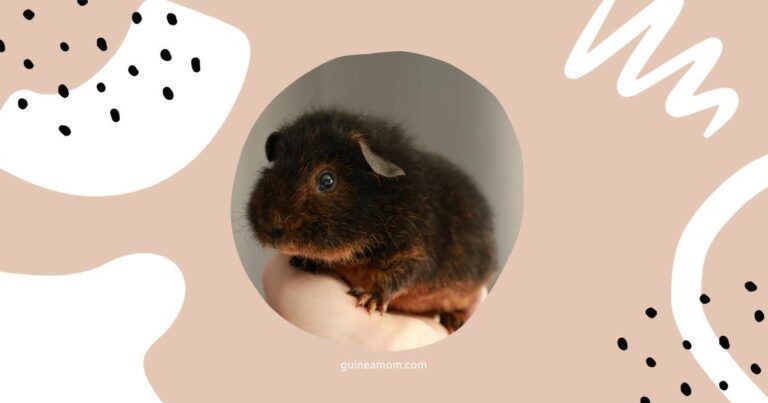
Guinea pig pups are remarkably independent from birth. They arrive fully furred, with their eyes open and teeth present, weighing roughly 50 to 100 grams, and can walk and even nibble solid food within hours.
A few things to be ready for: pups suckle from the mother (who has just two nipples, so larger litters are worth monitoring to make sure everyone’s feeding), and it’s especially important they nurse in the first few days. Weigh them regularly to confirm steady weight gain, and watch that all pups seem active and are nursing. Most of the time, the mother does the work — but keeping a gentle eye out lets you catch any pup that’s struggling.
Step 8: Plan Ahead for the Babies
This is the step people most often overlook, and it matters enormously: have a plan for the pups before they arrive. Guinea pigs mature startlingly fast, which creates two urgent realities:
- Separate the sexes early. Male pups can become fertile from as young as three weeks and can impregnate their mother and sisters, so male pups must be separated from the mother and female siblings by around three weeks of age. Have separate housing ready.
- Know where the pups will go. A litter of several pups, soon needing sex-separated housing, is a lot to manage. Line up responsible homes in advance, or plan to keep them with proper arrangements — and consider working with a rescue. Avoid ending up with more guinea pigs than you can properly care for.
Getting pups sexed (a vet or experienced keeper can help) and arranging their futures before they’re born prevents a stressful scramble later.
Step 9: Be Prepared for Emergencies
Finally, prepare for the possibility that something goes wrong. Guinea pig pregnancy and birth carry genuine risks — pregnancy toxemia, difficult labor, and post-birth issues like mastitis among them. Keep your vet’s emergency contact handy, know where to go after hours, and be ready to act fast. Seek immediate veterinary help if the mother stops eating, becomes lethargic, shows muscle tremors, strains in labor for over 30 minutes, or seems in pain or distress at any point. Quick action can be lifesaving for both mom and pups.
Key Takeaways
- Start with a vet to confirm the pregnancy, assess risks, and set up an emergency plan.
- Boost her diet — unlimited food and water (never restricted), plus extra vitamin C and calcium and often alfalfa hay.
- Create a safe, quiet, clean birthing space, and separate her from males (she can conceive again right after birth).
- Pup-proof the cage — solid flooring, soft bedding, no fall hazards, and accessible, safe food and water.
- Gather supplies, especially a kitchen scale to weigh pups and check they’re gaining.
- Understand the birth — it’s fast and usually hands-off, but get urgent vet help if she strains over 30 minutes or shows distress.
- Be ready for the pups — they’re born fully developed; make sure all are nursing (mom has just two nipples) and weigh them regularly.
- Plan ahead — separate male pups by around three weeks, and line up responsible homes before the babies arrive.
This article is intended as general educational information for guinea pig owners and is not a substitute for professional veterinary advice. Guinea pig pregnancy and birth carry real health risks; please work with a qualified veterinarian experienced with guinea pigs throughout the pregnancy and birth.