Signs Of Dehydration In Guinea Pigs
How to spot dehydration early — including the simple skin test — and why it’s a genuine emergency.
Dehydration in guinea pigs is serious and can develop fast — a guinea pig that stops drinking can be in real danger within 12 to 24 hours. The signs to watch for are: lethargy and low energy, sunken eyes, a dry mouth and sticky gums, loss of appetite, and thick, dark, or scant urine. The quickest at-home check is the skin “tent” test — gently pinch the loose skin over the shoulders; in a hydrated pig it snaps back instantly, but if it stays “tented” or returns slowly, your pig is likely dehydrated. Because dehydration in guinea pigs is dangerous and often signals an underlying illness, noticing these signs means you should offer fluids and contact a vet promptly. Here’s a detailed guide to recognizing it.
Why Dehydration Is So Dangerous for Guinea Pigs
Guinea pigs are small, so they have little reserve — they can’t go long without water. Most sources agree a guinea pig left without fluids can become dangerously dehydrated within 12 to 24 hours, and their sensitive digestive systems depend on adequate hydration to keep moving. Dehydration can also cause or worsen serious problems like bladder stones, kidney issues, and gut stasis.
Just as importantly, a guinea pig that suddenly stops drinking is often telling you something else is wrong — dental pain, illness, or another problem may be suppressing their drive to drink. So dehydration is both a danger in itself and a warning sign worth taking seriously.
The Skin “Tent” Test (The Quickest Check)
The single most useful at-home check for dehydration is the skin elasticity or “tent” test:
- Gently pinch a small fold of loose skin over your guinea pig’s shoulders or back, lifting it slightly.
- Let go and watch how quickly it flattens back down.
- Well-hydrated: the skin snaps back immediately.
- Dehydrated: the skin stays “tented” or returns slowly.
It’s quick, painless, and a genuinely reliable first indicator — worth learning as part of your regular health checks so you know your pig’s normal.
The Key Signs of Dehydration
Watch for these signs, especially in combination:
- Skin that’s slow to snap back (the tent test above) — the clearest early indicator.
- Lethargy and low energy — less active, less playful, reluctant to move or engage.
- Sunken or dull eyes.
- Dry mouth and sticky or tacky gums (a hydrated mouth is moist).
- Loss of appetite — often goes hand-in-hand with reduced drinking.
- Thick, dark, or reduced urine — less urine than usual, or darker and more concentrated.
- Hard, dry, or fewer droppings — a sign the gut is short of moisture.
- Weakness or, in severe cases, collapse.
Why Guinea Pigs Become Dehydrated
Understanding the cause helps you respond. Common reasons include:
- Not drinking enough — sometimes simply a broken or airlocked water bottle (the ball-bearing nozzle sticks), a bottle they can’t reach, or a new pig who hasn’t found the water yet.
- Hot weather — guinea pigs lose fluid and are at real risk of heat stress in warm conditions.
- Illness or pain — many illnesses (and dental pain) suppress appetite and the urge to drink.
- Diarrhea — causes rapid, dangerous fluid loss.
- A dry diet — too little fresh, water-rich vegetables.
- Bottle preference or competition — some pigs prefer bowls; in crowded cages, timid pigs may miss out.
What to Do If You Suspect Dehydration
If your guinea pig shows signs of dehydration:
- Check the water supply first. Test the bottle yourself (is it flowing, or airlocked?), and offer a heavy ceramic bowl of fresh water as an alternative.
- Offer water-rich vegetables — cucumber, washed damp romaine and leafy greens are hydrating and tempting.
- Syringe small amounts of water (no needle) if your pig is alert and can swallow safely — gently, a little at a time, never forcing it.
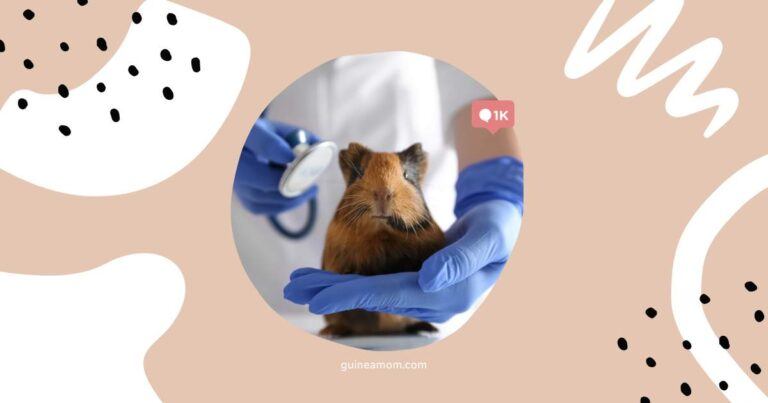
- Contact your vet promptly — because dehydration is dangerous and often signals illness, a vet visit is important, especially if your pig also isn’t eating, has diarrhea, or seems unwell. Severe dehydration needs veterinary fluids.
Treat it as urgent if your pig hasn’t drunk for 12+ hours, isn’t eating, has diarrhea, or seems weak or lethargic.
Preventing Dehydration
- Always provide fresh, clean water, day and night — ideally check and refresh it daily.
- Test the water bottle regularly for airlocks or blockages, and consider offering both a bottle and a bowl.
- Offer water-rich vegetables daily as part of their fresh food.
- Keep them cool in hot weather (shade, airflow, cool tiles) and increase water access.
- Know your pig’s normal — normal drinking, appetite, urine, and droppings — so you spot changes early.
- Do the skin test occasionally as part of health checks.
Key Takeaways
- Dehydration is a serious, fast-developing danger — guinea pigs can be at risk within 12–24 hours without water.
- The skin “tent” test is the quickest check — pinch the loose skin over the shoulders; if it doesn’t snap back instantly, your pig may be dehydrated.
- Other signs: lethargy, sunken eyes, dry/sticky gums, loss of appetite, and thick, dark, or scant urine.
- Common causes: a broken or airlocked bottle, hot weather, illness or dental pain, diarrhea, and a too-dry diet.
- If you suspect it: check the water supply, offer water-rich veg, syringe small amounts if safe, and contact a vet promptly.
- A pig that isn’t drinking is often unwell — dehydration frequently signals an underlying problem.
- Prevent it with constant fresh water, a working bottle (test it!), hydrating vegetables, and cool conditions in summer.
This article is intended as general educational information for guinea pig owners and is not a substitute for professional veterinary advice. Dehydration can be a medical emergency and often signals illness — if your guinea pig shows these signs, consult a qualified veterinarian experienced with guinea pigs promptly.