Hydration Tips: Ensuring Your Guinea Pig Drinks Enough Water
Simple, practical ways to keep your piggy well-watered — and how to spot trouble early
Water is one of the most overlooked parts of guinea pig care, yet it’s just as important as hay and fresh veg. A healthy guinea pig drinks roughly 50 to 150 ml of water a day, though this varies a lot depending on size, diet, and temperature. The best ways to keep your piggy properly hydrated are to provide fresh, clean water at all times, offer it in a way your pig actually likes (some prefer a bottle, others a bowl — many do best with both), keep the container scrupulously clean, and include water-rich vegetables in their daily diet. Watch for warning signs like lethargy, sunken eyes, reduced or dark urine, and loss of appetite, which can all point to dehydration. Because guinea pigs are small, dehydration becomes dangerous quickly — so when something seems off, it’s always worth acting sooner rather than later.
Why Hydration Matters So Much
It’s easy to assume a guinea pig will just drink when it’s thirsty and leave it at that. But proper hydration quietly supports almost every part of your piggy’s health.
Water keeps the digestive system moving, which helps prevent the dangerous slowdowns (like GI stasis) that guinea pigs are prone to. It supports healthy kidney and bladder function, helping to flush the system and reduce the risk of the bladder sludge and stones that are so common in this species. It helps regulate body temperature, which matters enormously given how poorly guinea pigs cope with heat. And it underpins everything from energy levels to healthy skin and a glossy coat.
In other words, a well-hydrated guinea pig is a more resilient one. Getting hydration right is a small daily habit that prevents a surprising number of bigger problems.
How Much Water Does a Guinea Pig Actually Need?
There’s no single magic number, because intake depends on several factors:
- Diet. A piggy eating lots of water-rich vegetables will drink less from the bottle than one on a drier diet — and that’s perfectly fine.
- Temperature. Hot weather increases water needs significantly.
- Size and age. Larger pigs generally drink more, and needs can shift as pigs age.
- Health status. Illness, certain medications, and recovery from surgery can all change how much a pig needs.
As a rough guide, 50 to 150 ml a day is typical for a healthy adult, but the most useful thing isn’t the exact figure — it’s knowing your guinea pig’s normal. Once you have a sense of how much your piggy usually drinks, a sudden drop or spike becomes an early warning sign worth paying attention to.
Bottle vs. Bowl: What’s Best?
This is one of the most common questions guinea pig owners ask, and the honest answer is that both have pros and cons. Many owners find the ideal solution is simply to offer both.
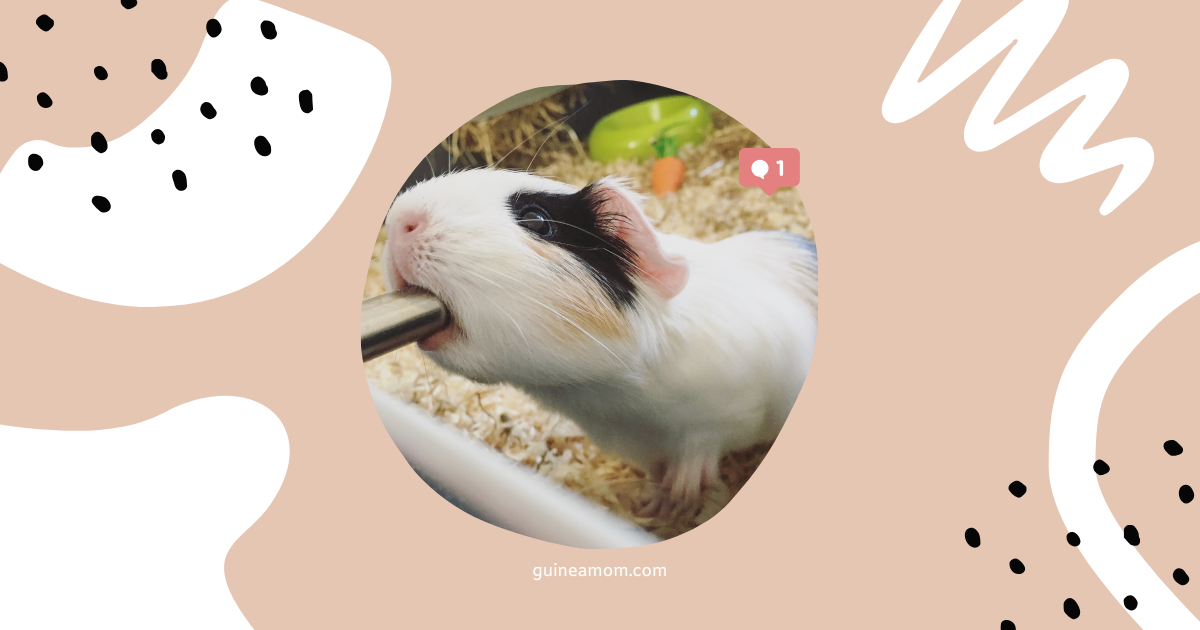
Water bottles keep the water clean and free of bedding, food, and droppings, and they make it easy to see roughly how much your pig is drinking. The downsides: the metal sipper tube can clog, develop an airlock, or get a stuck ball bearing — sometimes without you noticing — and some pigs find the dripping flow slow or awkward.
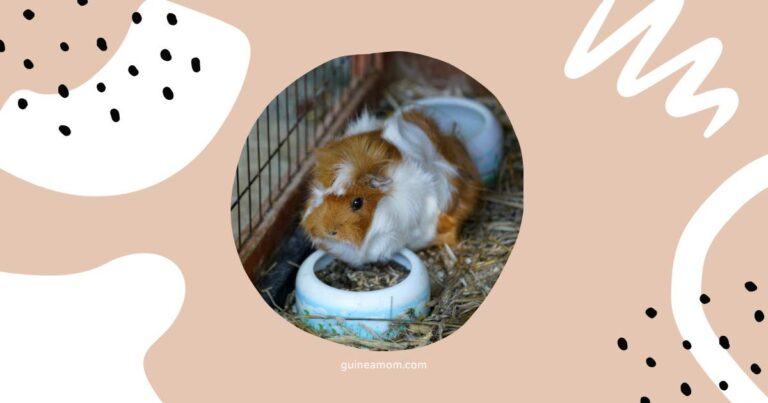
Water bowls offer a more natural drinking posture and a faster, easier drink, and some pigs simply prefer them. The trade-offs are that bowls get dirty fast (bedding, hay, and poop end up in them), they can be tipped over, and they need cleaning and refilling more often.
Offering both gives your piggy a choice and acts as a backup: if the bottle clogs, there’s still the bowl, and vice versa. Whichever you use, position it at a comfortable height so your pig doesn’t have to strain.
8 Practical Tips to Keep Your Guinea Pig Well-Hydrated
1. Refresh the water every single day
Even if the bottle still looks full, replace the water daily. Stale water loses its appeal, and pigs often drink more when it’s fresh and cool.
2. Keep the container spotlessly clean
Water bottles and bowls quickly develop a slimy biofilm and, in warmer conditions, algae. Clean them thoroughly with a bottle brush at least a couple of times a week (more in summer). A dirty container can put a pig off drinking and harbor bacteria.
3. Check that the bottle is actually working
This one catches out even experienced owners. Sipper tubes can airlock, clog, or jam, leaving a pig unable to drink even though the bottle looks full. Each day, tap the ball bearing to confirm water flows freely. If you have any doubt, a bowl as backup is invaluable.
4. Offer water-rich vegetables
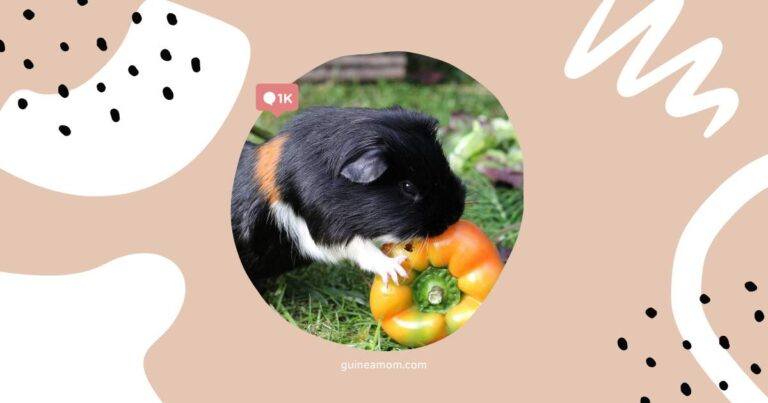
Foods like cucumber, leaf lettuce, bell pepper, and celery have high water content and contribute meaningfully to your pig’s daily hydration. They’re a tasty, natural way to top up fluids — just remember they complement drinking water, not replace it.
5. Provide more than one water source
In larger cages, or homes with multiple guinea pigs, set up two or more water stations. This prevents a more dominant pig from guarding the water and ensures everyone always has easy access.
6. Keep water cool, especially in warm weather
Guinea pigs prefer cool water and drink more of it. On hot days, refresh the water more often or pop in a couple of ice cubes to keep it appealing — staying hydrated is a key part of preventing heatstroke.
7. Don’t make sudden changes
If you’re switching from a bottle to a bowl or vice versa, keep the old option available for a while so your pig can adjust. The same goes for changes in water itself — most pigs are fine, but introduce anything new gradually.
8. Know your pig’s normal and keep an eye on it
Casually monitoring roughly how much your piggy drinks makes it far easier to notice a problem. A pig that suddenly drinks much more or much less than usual is telling you something worth investigating.
How to Spot Dehydration
Because guinea pigs are small and decline quickly, recognizing dehydration early really matters. Watch for:
- Lethargy and reduced activity
- Sunken or dull eyes
- Loss of skin elasticity — gently pinch the loose skin over the shoulders; in a hydrated pig it springs straight back, while in a dehydrated pig it stays “tented” for a moment
- Reduced, dark, or strong-smelling urine, or fewer wet patches in the cage
- Dry, sticky gums
- Loss of appetite
- A hunched, unwell posture
A simple at-home check is the skin-tent test above, combined with watching the litter for normal urination. If you notice several of these signs together, treat it seriously.
When Dehydration Is an Emergency
Mild under-drinking can often be encouraged with the tips above, but dehydration that comes alongside other symptoms is a different matter. Call your vet promptly if your guinea pig is dehydrated and also refusing food, lethargic, not producing droppings, or showing signs of illness.
A pig that won’t drink at all, or one recovering from illness or heat exposure, may need hands-on help. Your vet can administer fluids (often under the skin, which works quickly) and address whatever underlying problem is causing the dehydration. In the meantime, you can gently offer water from a syringe — a little at a time, aimed at the side of the mouth so they can swallow safely — but never force water down, as it can be inhaled. When in doubt, let your vet guide you.
A Quick Word on Sick and Senior Pigs
Hydration becomes even more important — and sometimes harder to maintain — when a guinea pig is unwell, elderly, or recovering from surgery. Sick pigs often stop drinking just when they need fluids most, which is part of why illness can spiral so fast in this species.
If you’re nursing a poorly piggy, your vet may recommend syringe-feeding water or a specialized recovery formula to keep both hydration and nutrition up. Senior pigs may also appreciate an easier-access bowl if a bottle becomes a struggle. Small accommodations like these can make a real difference to comfort and recovery.
Key Takeaways
- Water is essential, not optional. Good hydration supports digestion, urinary health, temperature regulation, and overall resilience.
- There’s no single magic number — typical intake is around 50–150 ml a day, but the real goal is knowing your own pig’s normal so you can spot changes.
- Offer both a bottle and a bowl where possible. Each has pros and cons, and having both gives your pig a choice and a backup.
- Cleanliness and daily fresh water make a big difference — pigs drink more when water is fresh, cool, and clean.
- Check the bottle works every day. Clogged or airlocked sipper tubes are a common hidden cause of a pig not drinking.
- Water-rich veggies help top up hydration naturally, especially useful in hot weather.
- Learn the signs of dehydration — lethargy, sunken eyes, skin that stays “tented,” and dark or reduced urine — and use the simple skin-tent test.
- Dehydration plus other symptoms is a vet matter. Guinea pigs decline fast, so act sooner rather than later.
This article is intended as general educational information for guinea pig owners and is not a substitute for professional veterinary advice. If you’re concerned that your guinea pig may be dehydrated or unwell, please contact a qualified veterinarian.